TRENDING

Monday, 5 October 2026
----------------------
24 Rabi' Al-Thani 1448 AH
As the conflict between Russia and Ukraine escalates, civilians on both sides are bearing the brunt of the violence, with the UN chief condemning both nations for attacks on civilian areas. The war has resulted in a significant increase in civilian deaths, with both sides intensifying their long-range attacks in recent months.
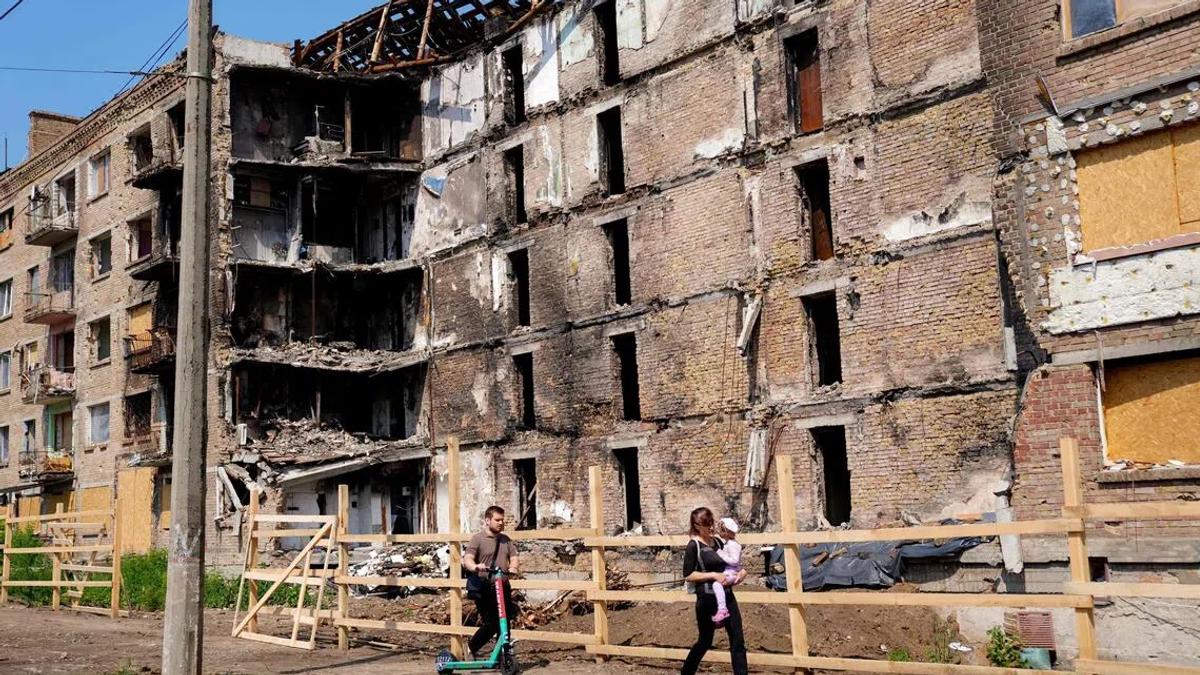
The conflict between Russia and Ukraine has taken a devastating turn, with both sides engaging in long-range attacks that have resulted in a significant increase in civilian deaths. The UN chief, Antonio Guterres, has condemned both nations for their attacks on civilian areas, calling for an immediate stop to violations of international humanitarian law. Ukraine has been firing record numbers of drones at Russia, while Moscow has been launching all-time high missile attacks, causing widespread destruction and loss of life.
The escalation of the conflict can be attributed to the complex power dynamics at play. Russia's desire to assert its dominance in the region, coupled with Ukraine's determination to defend its sovereignty, has created a volatile situation. The involvement of other nations, such as Serbia, which has not imposed sanctions on Russia, has further complicated the issue. The UN's warning about the rising number of off-site power losses at the Zaporizhzhia nuclear power plant has added to the sense of urgency, highlighting the need for maximum military restraint to prevent a catastrophic disaster.
The people who are paying the price for this conflict are the civilians on both sides. The attacks on civilian areas have resulted in the loss of innocent lives, with many more suffering from injuries and displacement. The economic impact of the war has also been significant, with many businesses and industries affected. The humanitarian crisis is deepening, with the UN warning of a potential disaster at the Zaporizhzhia nuclear power plant. The people who are most affected are those who are caught in the crossfire, with many forced to flee their homes and seek shelter in safer areas.
What is being downplayed by both sides is the extent of the human suffering caused by the conflict. The Russian government is attempting to portray the war as a necessary measure to protect its interests, while the Ukrainian government is framing the conflict as a struggle for independence. However, the reality on the ground is that civilians are bearing the brunt of the violence, with many lives lost and many more affected. The international community is also being selective in its condemnation of the conflict, with some nations imposing sanctions on Russia while others, such as Serbia, continue to maintain diplomatic ties.
As the conflict continues to escalate, it is essential to watch for any signs of a potential breakthrough in diplomatic efforts. The visit of the Ukrainian president to Serbia, a traditional ally of Russia, could be a significant development, as it may indicate a shift in the balance of power in the region. The situation at the Zaporizhzhia nuclear power plant is also a cause for concern, with the UN warning of a potential disaster. The international community must remain vigilant and continue to pressure both sides to cease their attacks on civilian areas and engage in meaningful diplomatic efforts to resolve the conflict.
Editor's Note: The analysis is based on publicly available information and may not reflect the full complexity of the situation on the ground.
Source referenced: STRAITSTIMES
This brief was synthesized by our Editorial Engine and reviewed by The Ground Narrative team.