TRENDING

Monday, 5 October 2026
----------------------
24 Rabi' Al-Thani 1448 AH
Iran's proposed deal with Oman to manage the Strait of Hormuz has sparked a new round of tensions with the US, with Iran seeking to bar US and Israeli ships from the waterway. The move has significant implications for global oil markets and the regional balance of power.
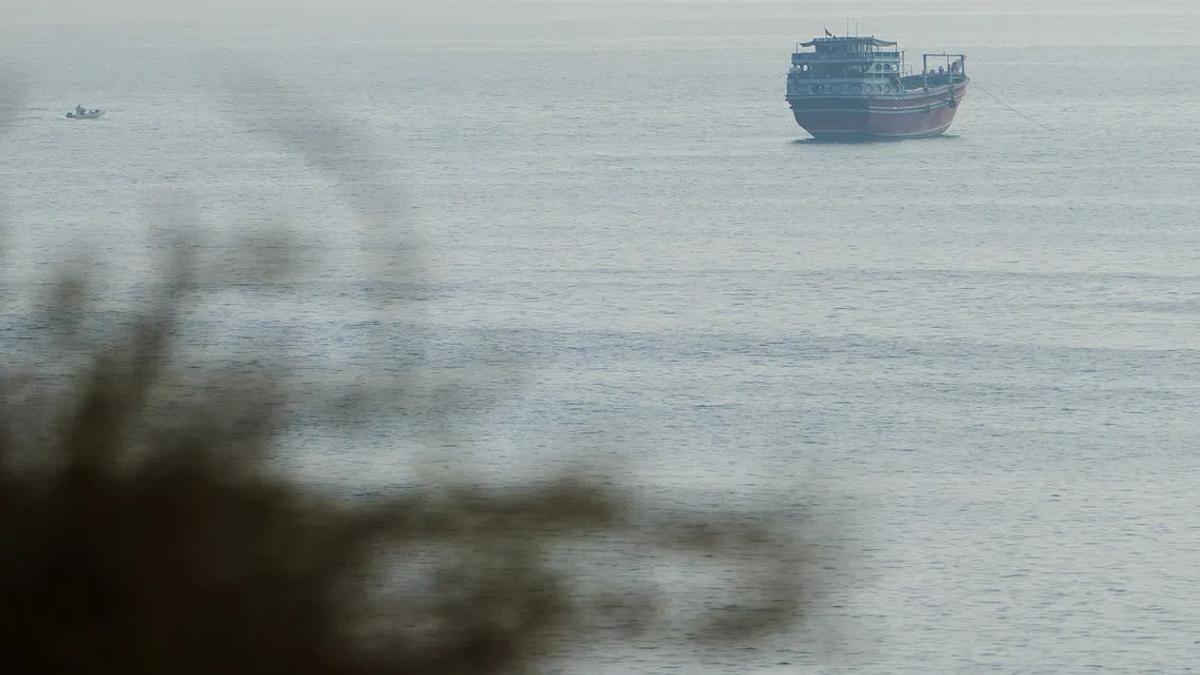
Iran has proposed a deal with Oman to manage the Strait of Hormuz, a critical waterway that connects the Persian Gulf to the Arabian Sea. The deal would give Iran control over inbound traffic and impose fees on ships passing through the strait. The US has rejected the proposal, insisting on free passage without restrictions or charges.
The dispute over the Strait of Hormuz is a classic example of the interplay between power and profit. The strait is a vital waterway for global oil trade, with millions of barrels of oil passing through it every day. Iran, which has been subject to US sanctions and a maritime blockade, sees the strait as a key leverage point in its negotiations with the US. The US, on the other hand, is determined to maintain its dominance over the region's oil trade and is unwilling to give Iran control over the strait.
The dispute over the Strait of Hormuz has significant human costs. The war between the US and Iran has already had a devastating impact on the region, with thousands of civilians killed or displaced. The blockade of the strait has also had a major impact on the global economy, with oil prices soaring and trade disrupted. The people who bear the human cost of this conflict are not just the citizens of Iran and the US, but also the people of the region who are caught in the crossfire.
One of the untold stories of this conflict is the role of Oman in the proposed deal. Oman, which has traditionally been a neutral player in the region, has been seeking to increase its influence in recent years. The proposed deal with Iran is a significant move by Oman to assert its role as a regional player and to gain control over the strait. However, the deal is also a risky move, as it could alienate Oman's traditional allies in the US and the Gulf states.
As the dispute over the Strait of Hormuz continues to escalate, there are several key developments to watch. The first is the response of the US to Iran's proposed deal. The US has already rejected the proposal, but it is unclear what further steps it will take to maintain its dominance over the region's oil trade. The second is the role of Oman in the conflict. Oman's decision to propose a deal with Iran is a significant move, and it will be important to watch how the US and the Gulf states respond to this move. Finally, the impact of the conflict on the global economy will be a key factor to watch. As oil prices continue to soar and trade is disrupted, the global economy could be facing a significant slowdown.
Editor's Note: The analysis is based on publicly available information and may not reflect the full complexity of the situation.
Source referenced: STRAITSTIMES
This brief was synthesized by our Editorial Engine and reviewed by The Ground Narrative team.