TRENDING

Friday, 16 October 2026
----------------------
5 Jumada Al-Awwal 1448 AH
The World Health Organization (WHO) has warned that the Ebola outbreak in the Democratic Republic of Congo (DRC) is spreading faster than any previous outbreak, with over 2,000 confirmed cases and 796 deaths recorded in just two months. The rapid spread of the virus, lack of approved vaccine, and ongoing conflict in the country are complicating efforts to contain the epidemic.
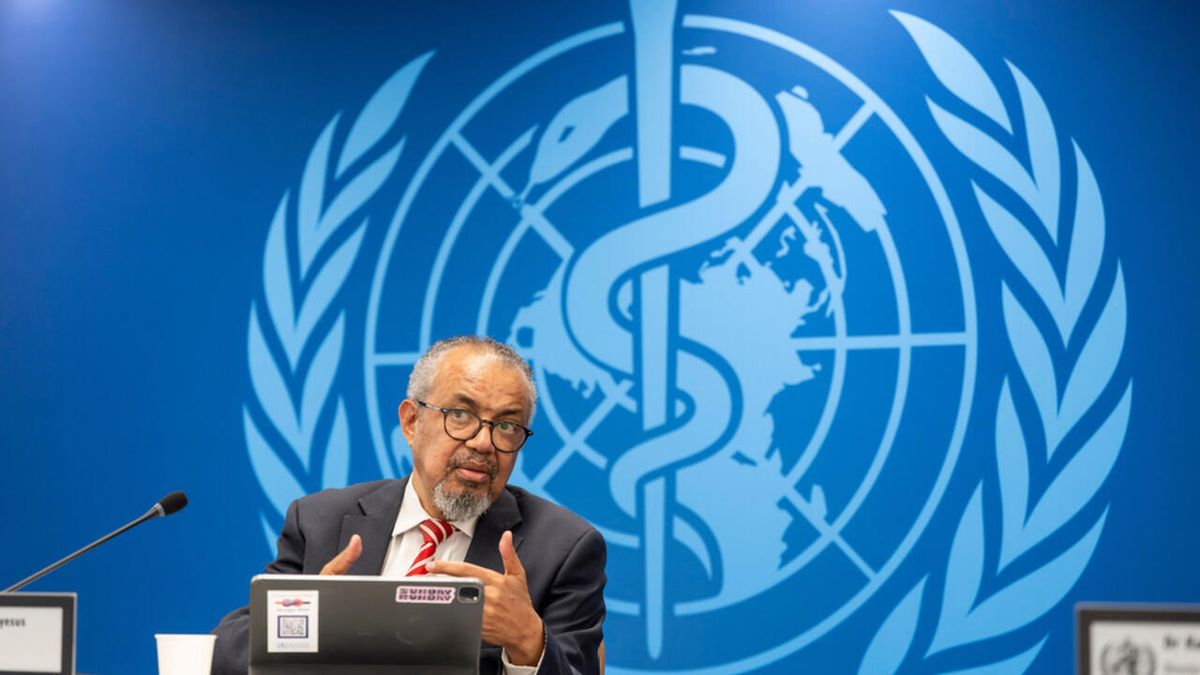
The recent Ebola outbreak in the Democratic Republic of Congo (DRC) has reached alarming proportions, with the World Health Organization (WHO) warning that the virus is spreading faster than any previous outbreak. As of July 16, 2026, over 2,000 cases have been confirmed, including 796 deaths, making it the third-largest Ebola outbreak on record.
The DRC has experienced 16 previous Ebola outbreaks since 1976, with the most recent one occurring in 2018-2020. However, this current outbreak is unique due to its rapid spread and the lack of an approved vaccine for the Bundibugyo species of Ebola. The virus is spreading through close contact and infected bodily fluids, making it challenging to contain.
The WHO's warning highlights the complexity of the situation, with more than 80% of new cases being detected outside known contact lists. This indicates that transmission chains are still being missed, and the virus is spreading undetected. The lack of an approved vaccine and treatment for the Bundibugyo species of Ebola is a significant concern, as it limits the response efforts.
The outbreak is not only affecting the DRC but also neighboring countries, including Uganda. The spread of the virus has significant implications for regional stability, as it can lead to a larger humanitarian crisis. The ongoing conflict in the DRC, which has been exacerbated by the outbreak, further complicates the situation.
The WHO's warning highlights the urgent need for a coordinated response to contain the outbreak. The international community must work together to provide support, including vaccines, medical supplies, and personnel. The consequences of inaction will be severe, with the potential for a larger humanitarian crisis and regional instability.
The Ebola outbreak in the DRC is a complex crisis that requires a nuanced understanding of the geopolitical context. The rapid spread of the virus, lack of approved vaccine, and ongoing conflict in the country are all contributing factors. The international community must work together to provide support and contain the outbreak before it's too late.
The Ebola outbreak in the DRC is a pressing concern that requires immediate attention. The WHO's warning highlights the urgency of the situation, and the international community must work together to provide support and contain the outbreak. The consequences of inaction will be severe, and it's essential to address this crisis before it's too late.
Editor's Note: The analysis is based on the available data and information from the WHO and other reliable sources.
Source referenced: FRANCE24
This brief was synthesized by our Editorial Engine and reviewed by The Ground Narrative team.


