TRENDING

Tuesday, 27 October 2026
----------------------
16 Jumada Al-Awwal 1448 AH
Violence erupts in DR Congo as opposition leader Martin Fayulu is wounded in clashes with police, amid protests against constitutional changes that could allow President Tshisekedi to seek a third term.
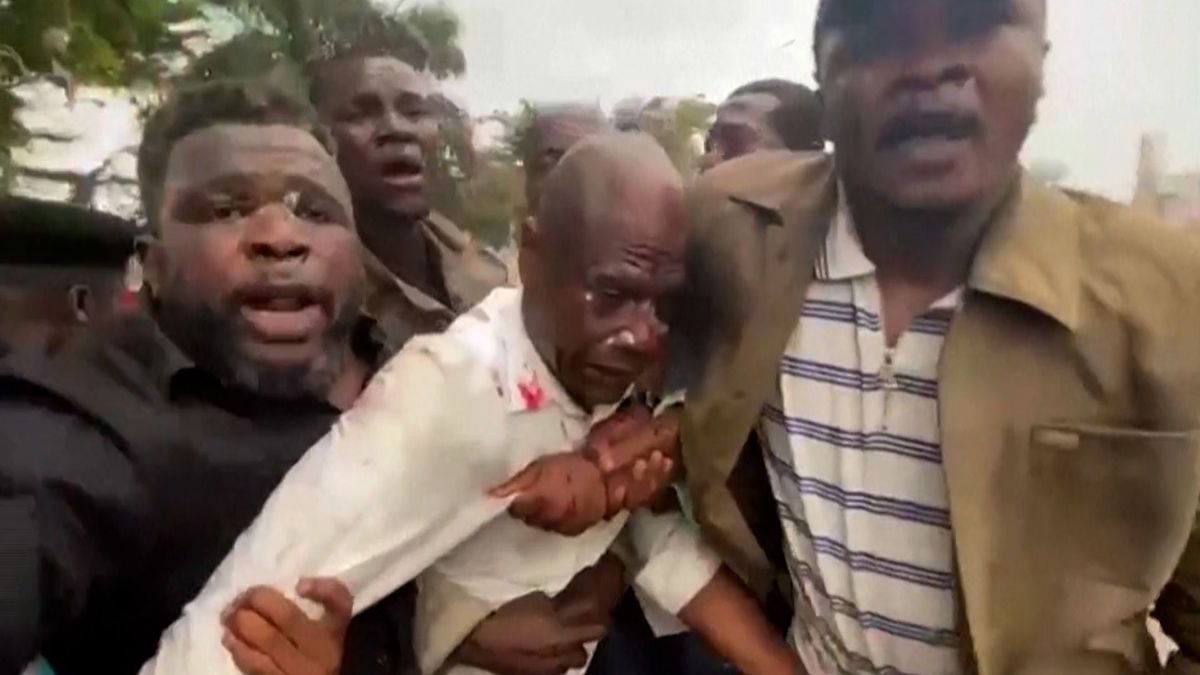
The Democratic Republic of the Congo (DRC) has been plunged into chaos as violence erupts in the capital, Kinshasa, during anti-government protests. The demonstrations, which began on June 13, 2026, are centered around constitutional changes that could allow President Félix Tshisekedi to seek a third term in office.
The protests are led by the opposition party, led by Martin Fayulu, who was wounded during the clashes with police. Fayulu's party has long been a vocal critic of Tshisekedi's government, accusing it of corruption and human rights abuses.
The proposed constitutional changes would allow Tshisekedi to seek a third term in office, despite the current two-term limit. This move has been met with widespread opposition from the public and the opposition parties, who see it as an attempt by Tshisekedi to consolidate power.
The DRC is a key player in the region, and any instability in the country has significant implications for regional security and stability. The proposed constitutional changes are seen as a threat to the country's democratic institutions and could lead to further unrest and violence.
The situation in the DRC is likely to continue to deteriorate unless the government takes steps to address the concerns of the opposition and the public. The international community, including the African Union and the European Union, has called for calm and restraint, but it remains to be seen whether these calls will be heeded.
It is difficult to predict when the situation will be resolved, but it is likely to take several weeks or even months for the situation to calm down. In the meantime, the DRC is likely to continue to experience instability and unrest.
The international community is likely to continue to call for calm and restraint, but it remains to be seen whether they will take more concrete action to address the situation. The African Union and the European Union have already issued statements condemning the violence and calling for a peaceful resolution, but it remains to be seen whether these calls will be heeded.
The situation in the DRC is a concern for the global community because of its implications for regional security and stability. The DRC is a key player in the region, and any instability in the country has significant implications for neighboring countries and the wider region.
The situation in the DRC has significant implications for the region, including neighboring countries such as Rwanda, Burundi, and the Republic of Congo. The DRC is a key player in regional security and stability, and any instability in the country could have significant implications for the region.
The future consequences of the situation in the DRC are difficult to predict, but it is likely to continue to experience instability and unrest unless the government takes steps to address the concerns of the opposition and the public. The international community will likely continue to call for calm and restraint, but it remains to be seen whether they will take more concrete action to address the situation.
Editor's Note: The situation in the DRC is likely to continue to deteriorate unless the government takes steps to address the concerns of the opposition and the public.
Source referenced: ALJAZEERA
This brief was synthesized by our Editorial Engine and reviewed by The Ground Narrative team.