TRENDING

Monday, 5 October 2026
----------------------
24 Rabi' Al-Thani 1448 AH
The White House's designs on Cuba are shifting due to the Iran conflict and US midterms, but what are the likely scenarios for the island nation's future?
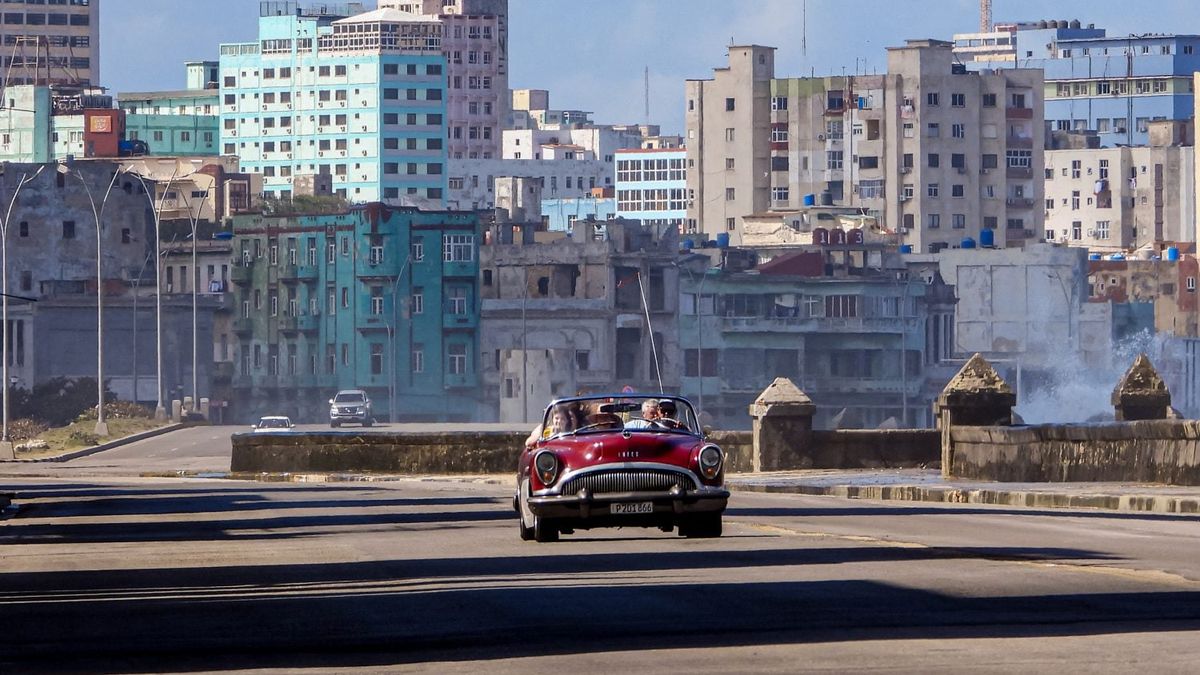
The recent capture of Venezuelan leader Nicolás Maduro has sparked a renewed interest in Cuba, with the White House signaling its intentions to "take" the island nation. US President Donald Trump has expressed his desire to have the "honor of taking" Cuba, and US officials have floated the idea of finding a "Cuban Delcy" - a reference to Delcy Rodríguez, Maduro's former deputy who cut a deal with Washington to become his successor.
The Trump administration's strategy on Cuba is multifaceted, aiming to bring about big political and economic change on the island. The administration has used the tools of US economic statecraft, including sanctions, to pressure the Cuban government to create conditions for these changes to emerge. However, the Cuban government has already shown a willingness to open its economy, and the pressure campaign has led to significant reforms.
Cuba is not Venezuela, and the two countries have distinct political systems. Cuba is a one-party state with a deep nationalist thread that makes it resistant to change. The Trump administration's read of Havana's options is not wrong, but the idea of a reformer or a Delcy Rodríguez-like figure willing to roll over on their superiors is not in the DNA of a one-party state.
The idea of using military options to extract a Cuban leader is not on the table, and the Trump administration's focus is on economic pressure. However, the administration's rationale for wanting to use force is rooted in national security concerns, including Cuba's ties to Russia and China and its history of interfering in regional politics.
Cuba's fate matters for US interests because of its strategic location in the Western Hemisphere. The administration sees Cuba as a potential base for US adversaries, and it wants to prevent a hemisphere with US adversaries. However, the threat inflation surrounding Cuba's espionage activities is questionable, and the administration's logic is not without its complications.
The White House's designs on Cuba are shifting due to the Iran conflict and US midterms, but the likely scenarios for the island nation's future are uncertain. The administration's strategy on Cuba is complex, and the country's distinct political system makes it resistant to change. The use of military options is not on the table, and the administration's focus is on economic pressure. However, the rationale for wanting to use force is rooted in national security concerns, and the fate of Cuba matters for US interests in the Western Hemisphere.
Editor's Note: The analysis is based on the available information, but the uncertainty surrounding Cuba's future is high due to the complex nature of the situation and the administration's shifting strategy.
Source referenced: FOREIGNPOLICY
This brief was synthesized by our Editorial Engine and reviewed by The Ground Narrative team.


