TRENDING

Monday, 5 October 2026
----------------------
24 Rabi' Al-Thani 1448 AH
An internal report on a California avalanche that killed nine skiers assigned no blame, prompting questions about corporate accountability and the true cost of adventure.
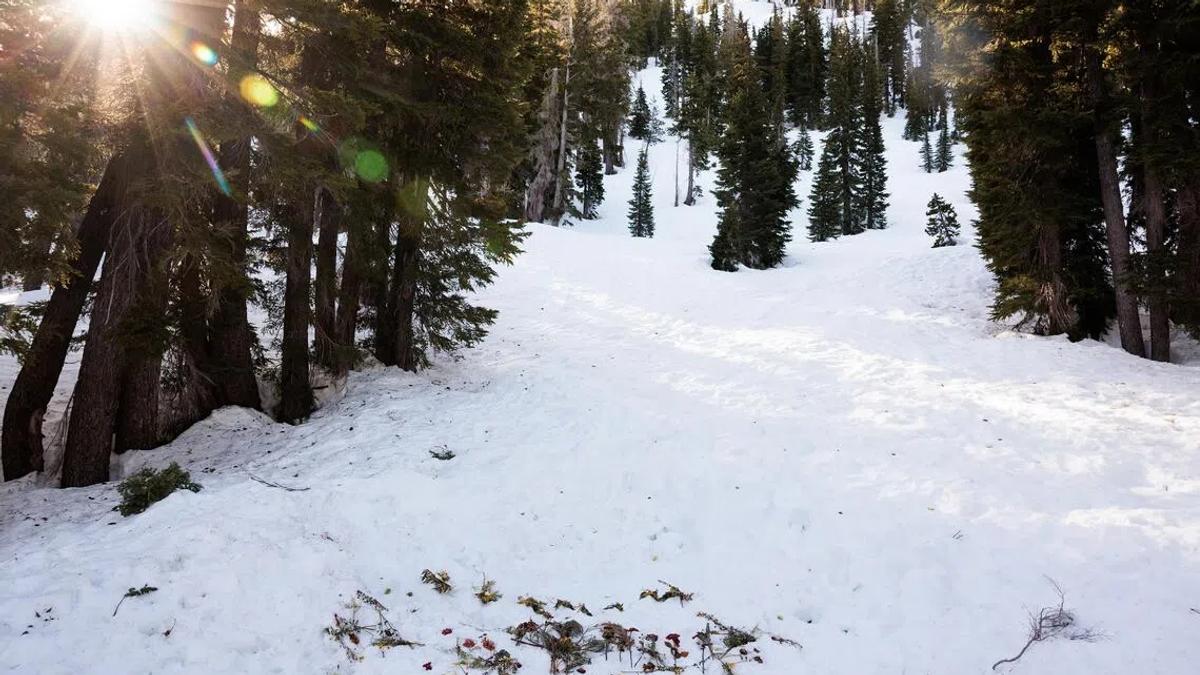
In February 2026, a backcountry ski trip near Lake Tahoe, California, ended in tragedy when an avalanche claimed the lives of nine skiers, including three guides. The group, led by Blackbird Mountain Guides, had departed from Frog Lake Huts during a major snowstorm. Months later, an internal report commissioned by Blackbird Mountain Guides was released, attributing no direct blame to the company and notably failing to address the critical question of why the 15-member group ventured out into the storm in the first place.
This incident, and the subsequent report, lays bare the intricate mechanics of corporate self-preservation in the face of disaster. Blackbird Mountain Guides, facing potential legal ramifications from the Nevada County Sheriff's Department, the District Attorney, and possible lawsuits from victims' families, took the preemptive step of commissioning its own 'independent preliminary report.' While authored by an external expert, Don Sharaf, its conclusions were then supplemented by Blackbird's own document, highlighting 'key findings' that framed their actions as compliant with 'established risk-management practices.' This strategy aims to control the narrative, mitigate reputational damage, and preemptively defend against liability by emphasizing adherence to industry standards, even when those standards are being questioned in practice. The selective interviewing of survivors—only one guide, not the two clients who publicly questioned the report—further underscores an effort to curate a specific, favorable account, rather than a comprehensive, unbiased inquiry into the decision-making process.
The most profound cost of this tragedy falls upon the nine individuals who lost their lives and their grieving families. For them, a report that assigns no blame and leaves critical questions unanswered offers little solace or closure. David Choo, father of one of the deceased guides, articulated this sentiment, stating that the report changed nothing in their view of a 'tragic accident,' yet hoped others would learn from it. Beyond the immediate victims, the human cost extends to the surviving clients and guides, who carry the psychological burden of the event, and whose perspectives, in some cases, were not fully integrated into the official account. The broader backcountry community also pays a price, as trust in professional guiding services can erode when accountability appears elusive, forcing individuals to re-evaluate the inherent risks and the assurances provided by commercial operators.
The most glaring omission in Blackbird's report is its deliberate avoidance of the 'why.' Why did a group of 15, including experienced guides, choose to leave the safety of the Frog Lake Huts amidst a major snowstorm? The report details routes and conditions but sidesteps the fundamental decision-making process that put them in harm's way. This silence is not accidental; it is a strategic omission designed to shield the company from questions of judgment and responsibility. Furthermore, the 'independence' of the report is compromised by its commissioning entity and the company's subsequent 'supplemental document.' This creates a clear conflict of interest, where the entity under scrutiny is also the architect of its own defense. The narrative of 'inherent risk' in backcountry skiing, while true, is often invoked by powerful actors to downplay or deflect from potential human error, professional negligence, or systemic failures in risk assessment and management.
Moving forward, several critical developments bear watching. The ongoing investigation by the Nevada County Sheriff's Department and the District Attorney's review will be pivotal. Unlike an internally commissioned report, official legal inquiries have the power to compel testimony and uncover facts that a company might prefer to omit. Potential civil lawsuits from victims' families could also force greater transparency and accountability, bringing to light details not present in Blackbird's report. Beyond legal proceedings, the broader backcountry guiding industry will face scrutiny. This incident may prompt calls for revised safety protocols, enhanced guide training, or even new regulatory frameworks to ensure that the pursuit of adventure does not come at the cost of professional accountability. The public's perception of risk and trust in commercial guiding operations will undoubtedly be shaped by how these unanswered questions are ultimately addressed.
Source referenced: STRAITSTIMES
This brief was synthesized by our Editorial Engine and reviewed by The Ground Narrative team.


