TRENDING

Wednesday, 23 September 2026
----------------------
12 Rabi' Al-Thani 1448 AH
Beijing is hosting the 4th China International Supply Chain Expo (CISCE), positioning itself as an indispensable hub for global trade and manufacturing. This national-level event is a strategic move to reinforce China's economic centrality amidst international calls for supply chain diversification.
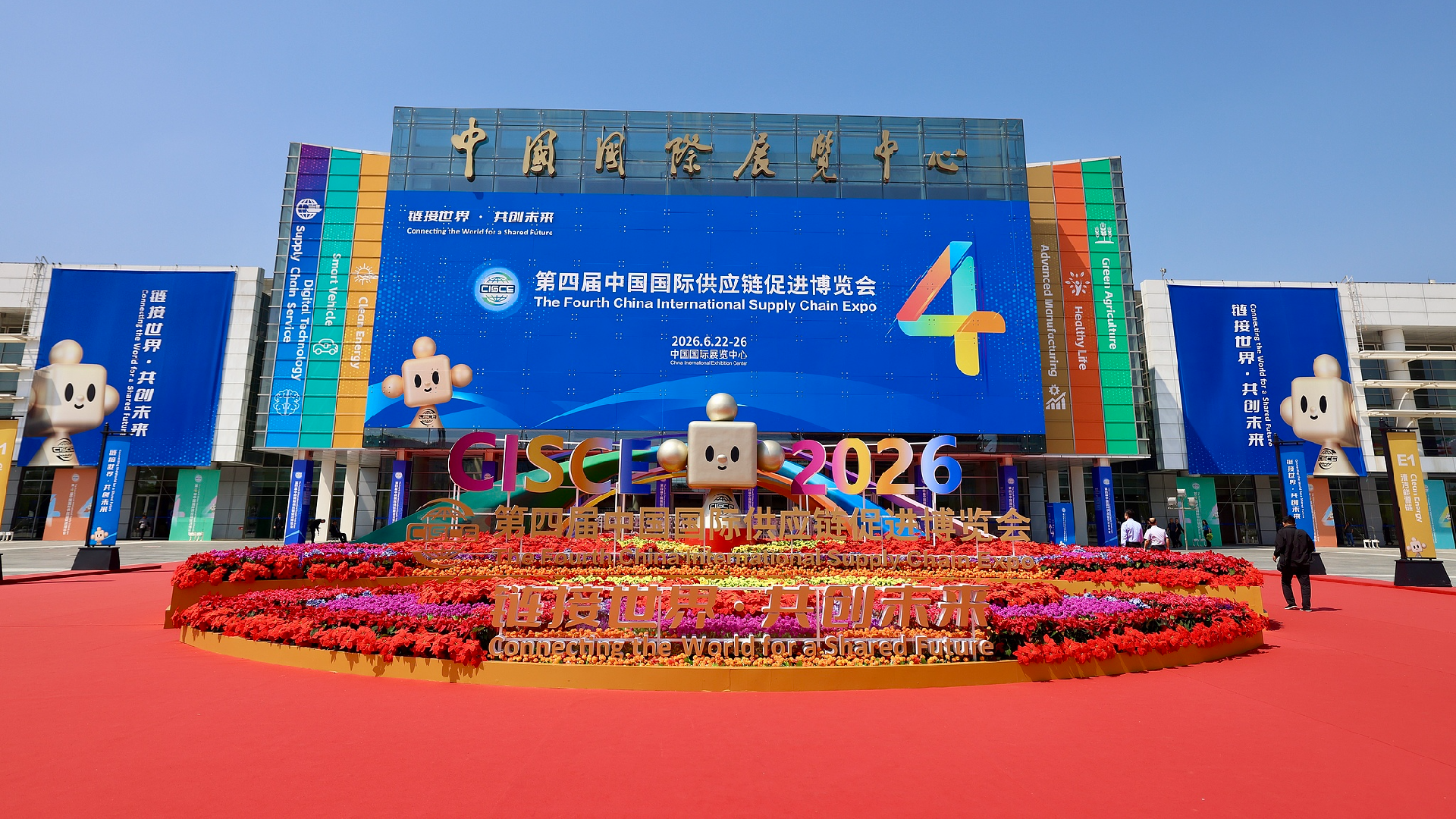
The 4th China International Supply Chain Expo (CISCE), held in Beijing from June 22 to 26, 2026, represents a significant geoeconomic initiative by the People's Republic of China. Positioned as the "world's first national-level exhibition themed on supply chains," the event underscores Beijing's strategic intent to reinforce its indispensable role in global manufacturing and trade networks, particularly amidst a complex international environment marked by calls for supply chain diversification and resilience.
The decision to host a dedicated, national-level expo on supply chains reflects China's proactive approach to shaping global economic governance and securing its long-term economic interests. For decades, China has served as the "world's factory," integrating deeply into global value chains across numerous industries, from electronics to textiles. The CISCE, now in its fourth iteration, is a testament to Beijing's commitment to not only maintaining but enhancing this position. By convening international stakeholders—businesses, policymakers, and logistics experts—China aims to foster deeper integration, showcase its industrial capabilities, and project an image of stability and reliability in global commerce.
This initiative is particularly pertinent given the backdrop of recent global disruptions. The COVID-19 pandemic, geopolitical tensions, and regional conflicts have exposed vulnerabilities in global supply chains, prompting many nations, especially in the West, to advocate for "de-risking" or "friend-shoring" strategies. These policies aim to reduce reliance on single-source suppliers, often implicitly or explicitly targeting China. The CISCE can be seen as a direct counter-narrative, asserting China's continued importance and advocating for an interconnected, rather than fragmented, global economic system.
The expo serves as a powerful platform for China to demonstrate the depth and breadth of its supply chain infrastructure, from advanced manufacturing and logistics to digital integration. By inviting international participants to engage directly with Chinese industries and policymakers, Beijing seeks to highlight the mutual benefits of continued economic interdependence. The message is clear: decoupling from China's vast and efficient supply chains would be economically costly and practically challenging for many global businesses.
Furthermore, the event allows China to present itself as a solution provider for global supply chain challenges, rather than a source of vulnerability. Discussions at the expo likely focus on innovation, sustainability, and resilience within supply chains, areas where China is investing heavily. This diplomatic and economic outreach aims to build consensus around a vision of globalized production that remains anchored, at least in part, in China.
Beyond economic imperatives, the CISCE carries significant diplomatic and soft power implications. By hosting an event of this scale and thematic focus, China positions itself as a responsible stakeholder in the global economy, committed to facilitating international trade and cooperation. It provides a forum for dialogue and partnership, potentially fostering goodwill and strengthening bilateral and multilateral economic ties with participating nations.
The expo also offers an opportunity for China to promote its own standards and technological solutions for supply chain management, potentially influencing future global norms. As a major proponent of initiatives like the Belt and Road Initiative (BRI), which seeks to enhance connectivity and trade infrastructure across continents, the CISCE aligns with China's broader strategy of building a more interconnected world with itself at the nexus.
The success of the CISCE in achieving its strategic objectives will depend on its ability to attract high-level international participation and generate tangible outcomes in terms of trade and investment. While many businesses may seek to diversify their supply chains, the economic realities of efficiency and cost-effectiveness often dictate continued engagement with China. The expo aims to capitalize on this reality, offering a compelling case for sustained and deepened collaboration.
However, the geopolitical landscape remains challenging. Concerns over intellectual property, market access, and human rights continue to influence the decisions of some international companies and governments regarding their engagement with China. The CISCE, while a powerful statement, operates within this broader context of evolving international relations and economic competition. Its long-term impact will be measured by its ability to genuinely foster trust and cooperation, rather than merely showcasing China's economic might.