TRENDING

Sunday, 25 October 2026
----------------------
14 Jumada Al-Awwal 1448 AH
New British Prime Minister Andy Burnham has outlined a foreign policy centered on prioritizing national interests, signaling a willingness to challenge US President Donald Trump while reaffirming strong commitment to NATO defense spending. His statements mark a strategic pivot for the UK's global role and domestic stability.
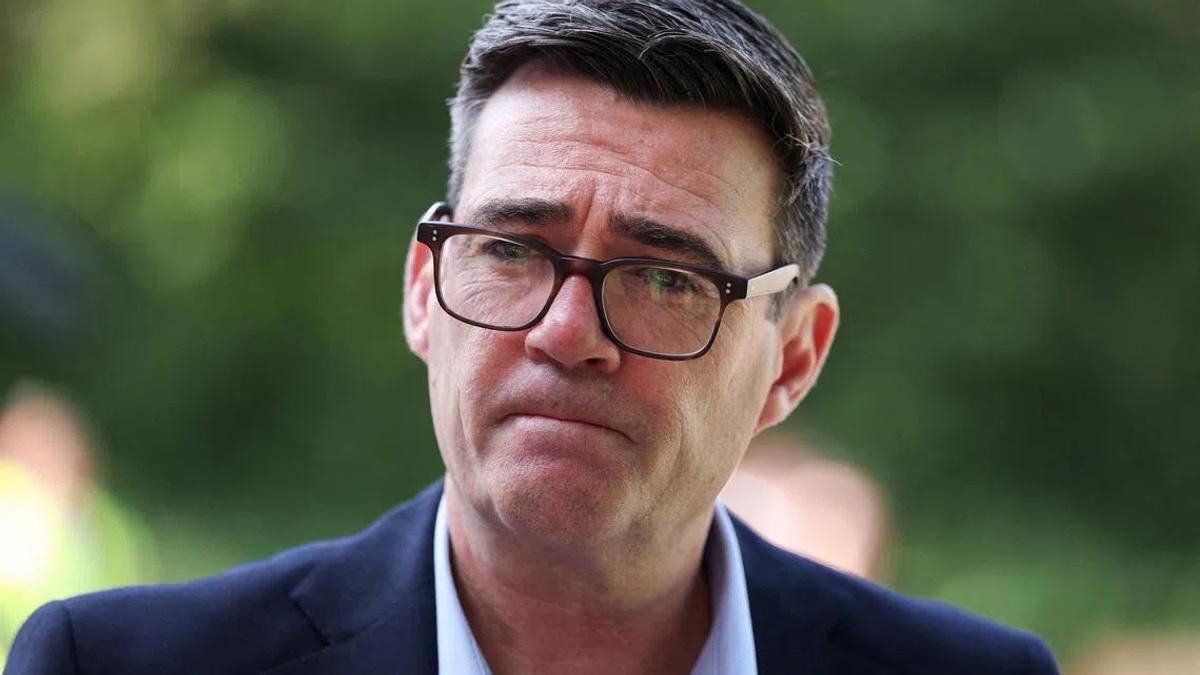
Upon taking office as Britain's seventh Prime Minister in a decade on July 20, 2026, Andy Burnham has swiftly articulated a clear vision for the United Kingdom's international engagement and domestic priorities. In his first major interview, parts of which were released on July 26, Prime Minister Burnham emphasized an unwavering commitment to placing "Britain's interests first," a declaration that carries significant geopolitical weight, particularly concerning the UK's relationship with the United States and its role within NATO.
Central to Burnham's initial pronouncements was his willingness to "call out" US President Donald Trump if deemed necessary to defend British national interests. This stance signals a potential recalibration of the traditionally close, albeit often complex, "special relationship" between London and Washington. Burnham's predecessor, Keir Starmer, reportedly experienced a "fraught relationship" with President Trump, marked by disagreements over critical issues such as the "US-Israeli war on Iran, immigration, energy and tech regulation." While Trump initially described Burnham as "extremely liberal," a subsequent "very good conversation" suggests an evolving dynamic, yet Burnham's public assertion of independence sets a distinct tone.
This strategic positioning by the new Prime Minister is not merely rhetorical; it reflects a broader geopolitical imperative for the UK to assert its sovereignty and agency on the global stage. In an era characterized by shifting alliances and a more transactional approach to international relations from Washington, London appears keen to avoid automatic alignment, instead prioritizing its own strategic objectives. This could manifest in more independent diplomatic initiatives, particularly concerning European security, trade negotiations, and engagement with global powers like China and Russia. The implications for transatlantic unity on key foreign policy challenges, from the Middle East to climate change, will be closely watched.
Beyond the transatlantic relationship, Prime Minister Burnham unequivocally reaffirmed Britain's "absolute commitment" to its NATO partners and pledged to ensure the full funding of the nation's defense investment plan. This commitment is particularly salient given the current geopolitical landscape, which demands robust collective security measures. The UK's defense spending has been a point of contention and scrutiny, with Burnham's newly appointed Chancellor, John Healey, having previously resigned from a defense minister role over concerns about the lack of a firm commitment to spend 3 percent of GDP on defense by 2030. Burnham acknowledged this challenge, stating, "We've got to work out the way of doing that," indicating a serious intent to address defense funding shortfalls.
This renewed emphasis on defense spending and NATO obligations serves multiple strategic purposes. Firstly, it reinforces the UK's credibility as a reliable ally within the alliance, especially at a time when some member states face pressure to meet their defense spending targets. Secondly, it projects an image of strength and resolve, crucial for deterring potential adversaries and contributing to regional stability in Europe. Thirdly, it aligns with the broader public interest in national security, ensuring the UK is equipped to respond to evolving threats, from cyber warfare to conventional military challenges.
On the domestic front, Prime Minister Burnham also made a significant declaration by ruling out an early general election before 2029. This decision aims to project an image of stability and provide a clear mandate for his government to implement its agenda without immediate electoral pressures. After a decade of considerable political flux, with seven prime ministers, the desire for a period of consistent governance is palpable among the British populace. By committing to a full term, Burnham seeks to consolidate his leadership, address pressing domestic issues, and demonstrate his administration's capacity for long-term planning.
Prime Minister Andy Burnham's initial statements outline a strategic path for the UK that prioritizes national interests, seeks to redefine key international relationships, and reinforces commitments to collective security. His willingness to assert British independence, even when it means challenging a close ally, coupled with a strong pledge to NATO, signals a pragmatic and assertive foreign policy. Domestically, his commitment to avoiding an early election aims to foster stability and allow his government to focus on governance. These early declarations set the stage for a potentially transformative period in British politics and its role on the global stage, with significant implications for international diplomacy, defense, and economic policy in the coming years.
Source referenced: STRAITSTIMES
This brief was synthesized by our Editorial Engine and reviewed by The Ground Narrative team.