TRENDING

Sunday, 25 October 2026
----------------------
14 Jumada Al-Awwal 1448 AH
Bulgarians head to the polls as Russian‑linked drones strike merchant vessels in the Black Sea. The contest pits a pro‑West reformer against a candidate urging neutrality, with regional security and everyday livelihoods hanging in the balance.
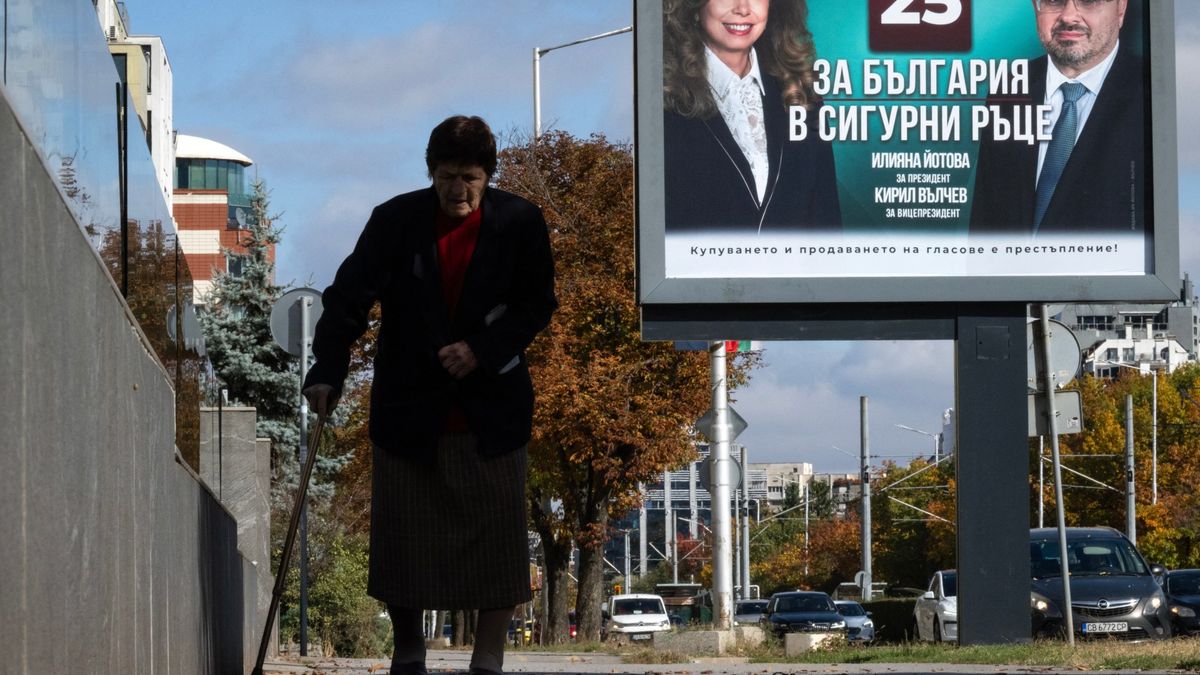
Bulgarians went to the polls on 25 October 2026 to elect a new president amid a wave of drone attacks on commercial ships off their Black Sea coast. Incumbent President Iliana Iotova, a former vice‑president, faced off against former caretaker prime minister Andrey Gyurov, who is backed by pro‑Western parties and has signed a security pact with Ukraine. The election featured 27 candidates, but early polls showed Iotova with roughly 41 % support and Gyurov at 28 %, making a first‑round victory unlikely and setting the stage for a runoff on 1 November.
The contest is less about personal charisma than about competing visions of NATO alignment, energy security, and Bulgaria’s place in a Europe increasingly split between Moscow’s influence and Washington’s expectations. Gyurov’s platform leans heavily on a hard‑line stance toward Russia, promising continued weapons deliveries to Ukraine and deeper integration with NATO’s maritime surveillance network. Iotova, while condemning the drone strikes, argues for a more neutral posture, citing the fatigue of a population that has endured years of high energy dependence on Russian gas and soaring inflation.
Both candidates must navigate a fragile parliamentary landscape where pro‑Western parties dominate but a sizable segment of the electorate still feels cultural and historical affinity toward Russia. Prime Minister Rumen Radev’s resignation to run for parliament on a Kremlin‑friendly ticket has further complicated the calculus, forcing each presidential hopeful to balance domestic political survival with the expectations of external allies who are watching Bulgaria’s response to the Black Sea spillover.
The drone strikes have already claimed the lives of an estimated two dozen international crew members, turning the Black Sea into a hostile zone for merchant vessels that carry essential grain, oil, and manufactured goods. The loss reverberates through global supply chains, raising freight costs that ultimately land on Bulgarian consumers.
Inflation, driven by higher energy prices and disrupted trade, has hit Bulgaria’s rural communities hardest. Farmers face rising fuel costs for tractors and irrigation, while households struggle to afford heating during a colder autumn. The economic squeeze fuels resentment toward both the government’s perceived inaction and the broader geopolitical tug‑of‑war.
Turnout projections under 40 % suggest a growing apathy toward the political class, especially among younger voters who feel their futures are being decided by distant power games. Low participation threatens the legitimacy of any eventual runoff and deepens the sense that ordinary Bulgarians are spectators rather than stakeholders.
While Prime Minister Radev hinted that the drone attacks “benefit the Russian Federation,” the official government narrative stops short of naming Moscow as the perpetrator. This diplomatic tightrope allows Bulgaria to keep channels open with Russia for energy negotiations while still courting NATO assistance, a duality that obscures accountability.
State‑affiliated outlets often emphasize the humanitarian toll of the strikes but downplay the strategic intent behind them, presenting the incidents as isolated criminal acts rather than extensions of the Ukraine war. Independent journalists, meanwhile, face pressure to align with either a pro‑West or pro‑Russia editorial line, limiting nuanced public debate.
Western allies have pledged additional maritime patrol assets, yet the timing and scale of those commitments are tied to Bulgaria’s willingness to host NATO infrastructure and to continue supplying arms to Ukraine. The conditional nature of aid is rarely highlighted in official statements, leaving citizens unaware of the trade‑offs embedded in security assistance.
The imminent run‑off will reveal whether Bulgarians favor a firmer NATO alignment or a more cautious, neutral stance that could keep diplomatic doors open with Moscow. Observers should monitor the deployment of NATO maritime assets in the Black Sea, as their presence will signal the alliance’s appetite for direct involvement in a conflict that has already spilled beyond Ukraine’s borders. Energy policy will also be a litmus test: any move to diversify away from Russian gas could reshape Bulgaria’s economic landscape and alter the political calculus for future elections. Finally, the reaction of the European Union to the drone attacks—whether it tightens sanctions on Russia or offers additional financial support to Bulgaria—will indicate how the war’s peripheral effects are being managed at the continental level.
Stakeholders across the spectrum—from seafarers and rural families to NATO planners and Russian diplomats—are watching the same ballot box, each hoping the outcome will tilt the balance in their favor.
The attacks have turned security into a central campaign issue, forcing candidates to clarify their stance on NATO, Russian relations, and maritime defense, while also highlighting the economic fallout for ordinary citizens.
A Gyurov victory would likely deepen Bulgaria’s NATO integration and sustain arms support for Ukraine, whereas an Iotova win could steer the country toward a more neutral foreign policy and a slower pace of military cooperation.
Source referenced: ALJAZEERA
This brief was synthesized by our Editorial Engine and reviewed by The Ground Narrative team.


