TRENDING

Tuesday, 27 October 2026
----------------------
16 Jumada Al-Awwal 1448 AH
The Belt and Road Initiative (BRI) has been hailed as a game-changer in promoting global economic development and human rights. But what are the strategic motivations behind this ambitious project, and how does it impact regional stability?
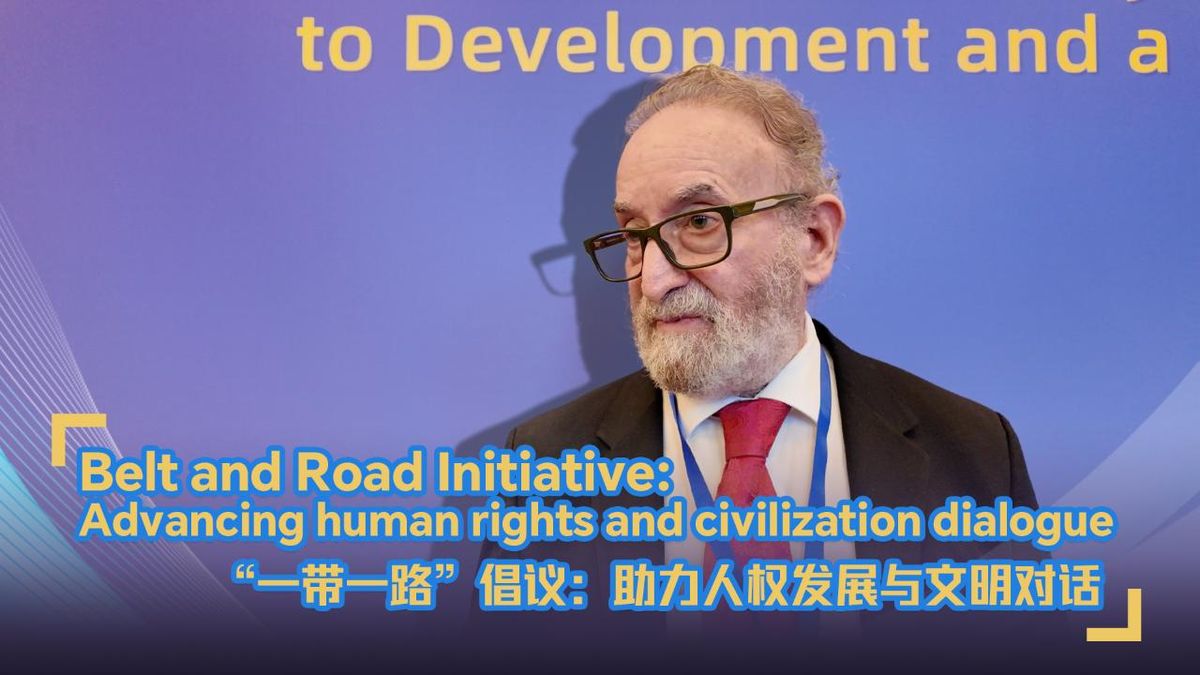
The Belt and Road Initiative (BRI), launched by China in 2013, has been a subject of intense debate and scrutiny. On one hand, it has been praised for its potential to boost global economic development and promote human rights. On the other hand, critics have raised concerns about its impact on regional stability and human rights. In this analysis, we will delve into the strategic motivations behind the BRI, its implications for regional stability, and the challenges it poses to human rights.
The BRI is a massive infrastructure development project aimed at connecting China with other parts of Asia, Europe, and Africa through a network of roads, railways, and sea routes. The project is driven by China's desire to expand its economic influence, secure access to resources, and promote its model of development. By investing in infrastructure development, China aims to create a new economic order that is centered on its own interests.
The BRI has been touted as a means of promoting human rights and global development. By investing in infrastructure development, China aims to create jobs, stimulate economic growth, and improve living standards. However, critics argue that the BRI is a tool for China to exert its influence and impose its own model of development on other countries. This raises concerns about the impact of the BRI on human rights, particularly in countries with weak governance and poor human rights records.
The BRI has significant implications for regional stability. By investing in infrastructure development, China aims to create a network of dependencies that will tie other countries to its own economic interests. This raises concerns about the potential for China to exert its influence and impose its own will on other countries. Furthermore, the BRI has been criticized for its lack of transparency and accountability, which raises concerns about corruption and the potential for human rights abuses.
The BRI is a complex and multifaceted project that has both positive and negative implications for human rights and global development. While it has the potential to boost economic growth and improve living standards, it also raises concerns about the impact of China's influence on regional stability and human rights. As the BRI continues to expand, it is essential to monitor its impact and ensure that it is implemented in a way that promotes human rights and global development.
The future consequences of the BRI are uncertain, but it is clear that it will have a significant impact on regional stability and human rights. As China continues to expand its economic influence, it is essential to ensure that it does so in a way that promotes human rights and global development. This will require close monitoring of the BRI and its impact on regional stability and human rights.
Editor's Note: The impact of the BRI on human rights and regional stability is uncertain and will depend on how it is implemented.
Source referenced: CGTN
This brief was synthesized by our Editorial Engine and reviewed by The Ground Narrative team.