TRENDING

Monday, 5 October 2026
----------------------
24 Rabi' Al-Thani 1448 AH
Zambia's electoral commission has suspended vote counting due to reports of violence, sparking concerns over the integrity of the electoral process. The move has significant implications for the country's political landscape and the region's stability. As the situation unfolds, it is crucial to examine the power dynamics at play and the human cost of the ongoing turmoil.
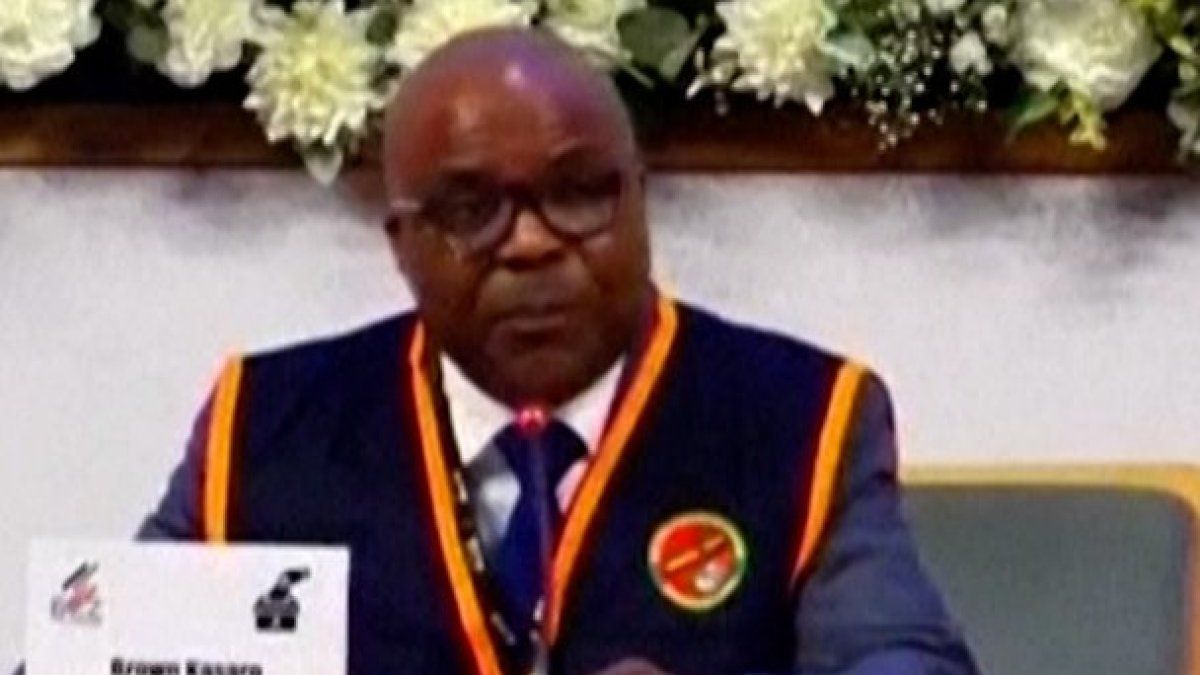
Zambia's electoral commission has suspended vote counting nationwide, citing reports of attacks on polling officials and the theft of ballot papers. The commission has announced that it will review the decision in 24 hours, leaving the country in a state of uncertainty.
The suspension of vote counting in Zambia is not an isolated incident, but rather a symptom of a broader struggle for power in the country. The ruling party and the opposition are engaged in a high-stakes game of political survival, with each side accusing the other of attempting to manipulate the electoral process. The international community, particularly regional powers like South Africa and the European Union, are watching the situation closely, as the outcome of the election will have significant implications for the region's stability and economic interests.
The suspension of vote counting has left many Zambians feeling disenfranchised and uncertain about the future of their country. The violence and intimidation that have marred the electoral process have also had a devastating impact on local communities, with reports of injured civilians and destroyed property. As the situation continues to unfold, it is essential to remember that the human cost of political instability is often borne by the most vulnerable members of society.
Despite the official narrative that the suspension of vote counting is a necessary measure to ensure the integrity of the electoral process, there are concerns that the move may be a tactic to delay or manipulate the outcome of the election. The fact that the electoral commission has announced that it will review the decision in 24 hours has sparked speculation that the ruling party may be attempting to buy time to rally support or negotiate a power-sharing agreement with other political parties. The international community must be vigilant in monitoring the situation and ensuring that the electoral process is transparent and fair.
As the situation in Zambia continues to unfold, there are several key developments that readers should watch for. The response of the international community, particularly regional powers and the European Union, will be crucial in determining the outcome of the election. Additionally, the ability of the opposition to mobilize support and challenge the ruling party's dominance will be a key factor in shaping the country's political landscape. Ultimately, the future of Zambia's democracy and the stability of the region hang in the balance, making it essential to closely monitor the situation and hold powerful actors accountable for their actions.
Editor's Note: The analysis is based on publicly available information and may be subject to change as the situation unfolds.
Source referenced: ALJAZEERA
This brief was synthesized by our Editorial Engine and reviewed by The Ground Narrative team.


