TRENDING

Saturday, 3 October 2026
----------------------
22 Rabi' Al-Thani 1448 AH
Zambian President Hakainde Hichilema seeks a second term amidst economic reforms and rising living costs. The election outcome will determine the country's economic trajectory and its position in regional politics. As Zambia votes, the focus is on whether Hichilema's reforms are enough to secure his re-election.
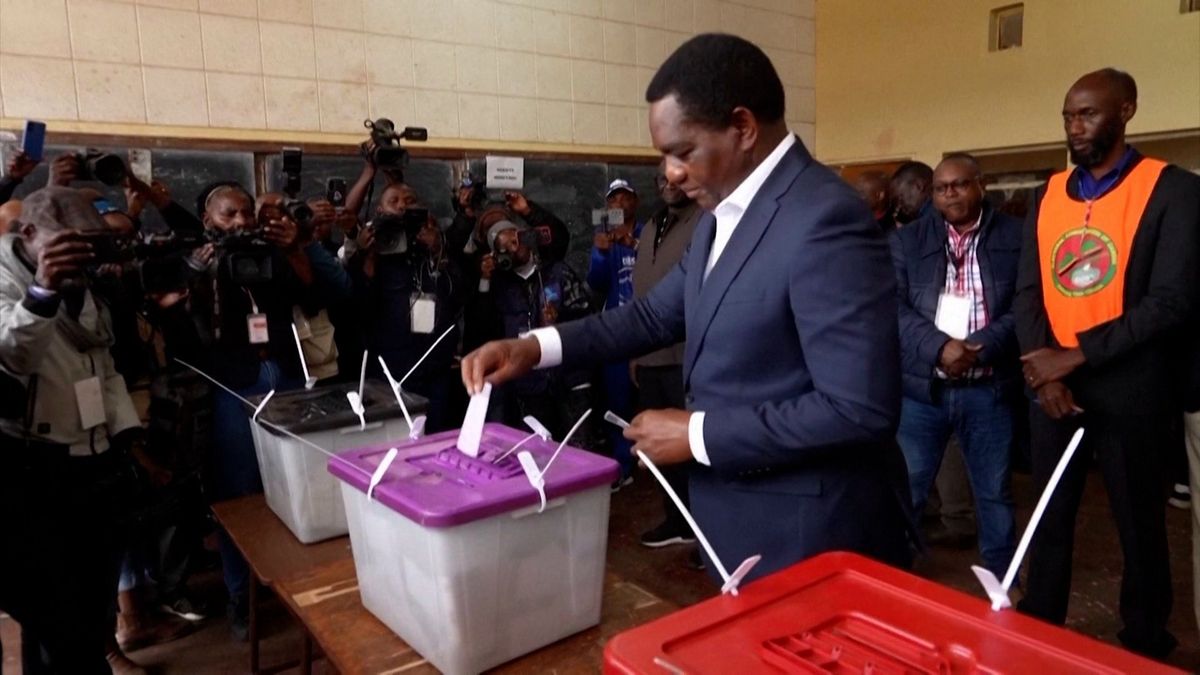
Zambian President Hakainde Hichilema has cast his vote in the capital Lusaka as he seeks a second term in office. The election is a critical test of his government's economic reforms and their impact on the rising cost of living in Zambia.
President Hichilema's economic reforms have been aimed at stabilizing Zambia's economy, which has faced significant challenges, including a large debt burden and a decline in copper prices, a major export. His government has implemented austerity measures and sought to attract foreign investment to diversify the economy. However, the rising cost of living remains a significant concern for many Zambians, and the outcome of the election will depend on whether voters believe Hichilema's reforms have improved their economic situation.
The people of Zambia, particularly those in low-income households, have borne the brunt of the economic challenges. The rising cost of living has made it difficult for many to afford basic necessities, and the austerity measures have led to job losses and reduced social services. The election outcome will have a significant impact on the lives of Zambians, as it will determine the direction of the country's economic policies and the allocation of resources.
While the election is largely focused on domestic economic issues, there are also regional and international factors at play. Zambia's strategic location in southern Africa and its natural resources make it an important player in regional politics. The election outcome may also have implications for Zambia's relationships with neighboring countries and international partners, including China, which has significant investments in Zambia's mining sector. However, these aspects are being downplayed in the current election discourse, with the focus primarily on domestic economic issues.
As the election results are announced, it will be crucial to watch how the opposition reacts and whether there are any allegations of electoral irregularities. Additionally, the international community, particularly regional organizations such as the Southern African Development Community (SADC), will be watching closely to see how the election outcome affects regional stability and cooperation. The next few weeks will be critical in determining Zambia's economic and political trajectory, and the implications will be felt not only in Zambia but also across the region.
Editor's Note: The analysis is based on publicly available information and may not reflect the full complexity of the situation on the ground.
Source referenced: ALJAZEERA
This brief was synthesized by our Editorial Engine and reviewed by The Ground Narrative team.