TRENDING

Monday, 5 October 2026
----------------------
24 Rabi' Al-Thani 1448 AH
The Trump administration is set to spend at least $1.2 billion on White House construction projects, sparking questions about funding priorities and the use of private donations. As the renovation plans unfold, the true cost and beneficiaries of this massive investment remain unclear.
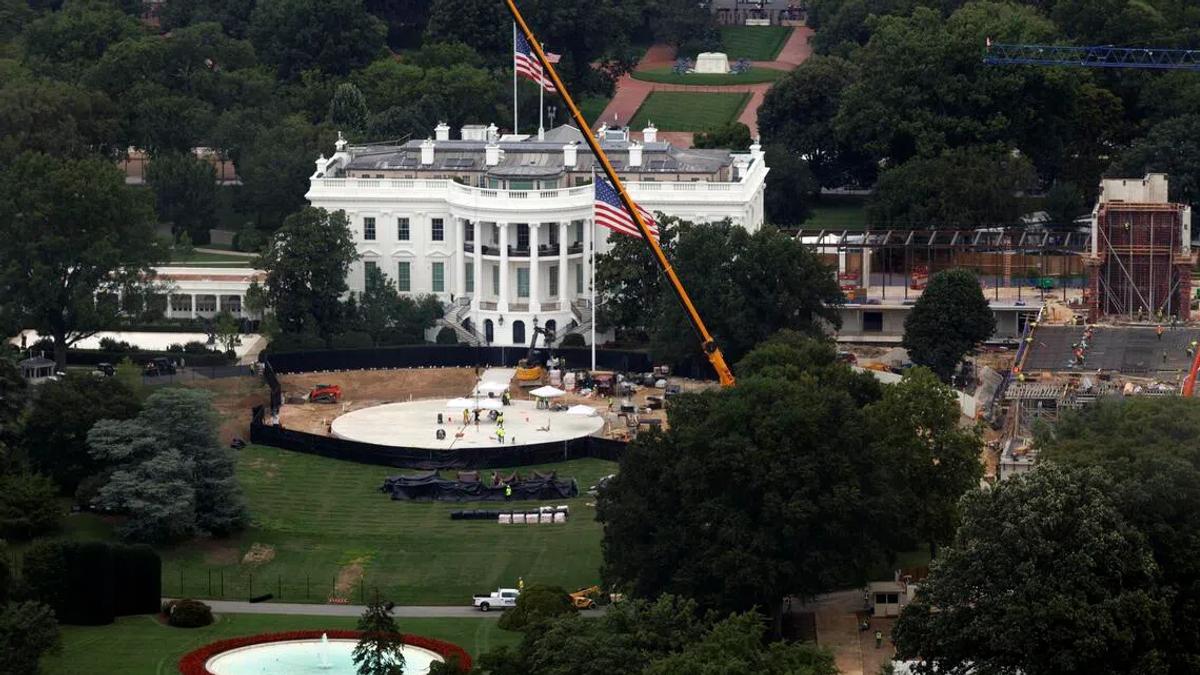
The Trump administration has secured funding for White House construction projects, totaling at least $1.2 billion. Instead of seeking direct congressional approval, the administration has gathered funds from other agencies and private donors, redirecting them to an account initially allocated for routine maintenance.
This move highlights the administration's ability to navigate bureaucratic channels and leverage private funding to achieve its goals. By bypassing traditional congressional funding routes, the Trump administration can avoid potential roadblocks and maintain control over the project's scope and timeline. Private donations and inter-agency funding have become essential tools for the administration, allowing it to push forward with its agenda while minimizing legislative oversight.
As the White House undergoes its multibillion-dollar facelift, the American public is left wondering about the true cost and beneficiaries of this investment. While the administration touts the project as a necessary modernization effort, the fact remains that this funding could be allocated to pressing social and economic issues affecting millions of Americans. The people who weren't in the room – those struggling to make ends meet, relying on social services, or affected by budget cuts – will likely bear the indirect cost of this massive expenditure.
What the administration is downplaying is the potential lack of transparency surrounding the funding and contracting process. By using confidential contracts and redirecting funds from other agencies, the Trump administration may be obscuring the true nature and scope of the project. This raises concerns about cronyism, favoritism, and potential corruption, as private donors and contractors may be rewarded with lucrative contracts and influence over the project's direction.
As the White House renovation plans move forward, readers should watch for congressional pushback and potential investigations into the funding and contracting process. The administration's ability to maintain control over the project's narrative and avoid scrutiny will be crucial in determining the success of this endeavor. Additionally, the long-term implications of this investment on the White House's role and symbolism in American politics will be worth monitoring, as the line between public interest and private influence becomes increasingly blurred.
Editor's Note: The accuracy of the reported funding amount and the administration's plans for the White House renovation are subject to verification and potential updates as more information becomes available.
Source referenced: STRAITSTIMES
This brief was synthesized by our Editorial Engine and reviewed by The Ground Narrative team.


