TRENDING

Thursday, 22 October 2026
----------------------
11 Jumada Al-Awwal 1448 AH
A deadly shooting in the occupied West Bank, resulting in the deaths of four Palestinians and one Israeli, has reignited severe tensions and prompted an emergency response from Israeli authorities. The incident underscores the volatile nature of the Israeli-Palestinian conflict and the deep divisions fueled by conflicting narratives.
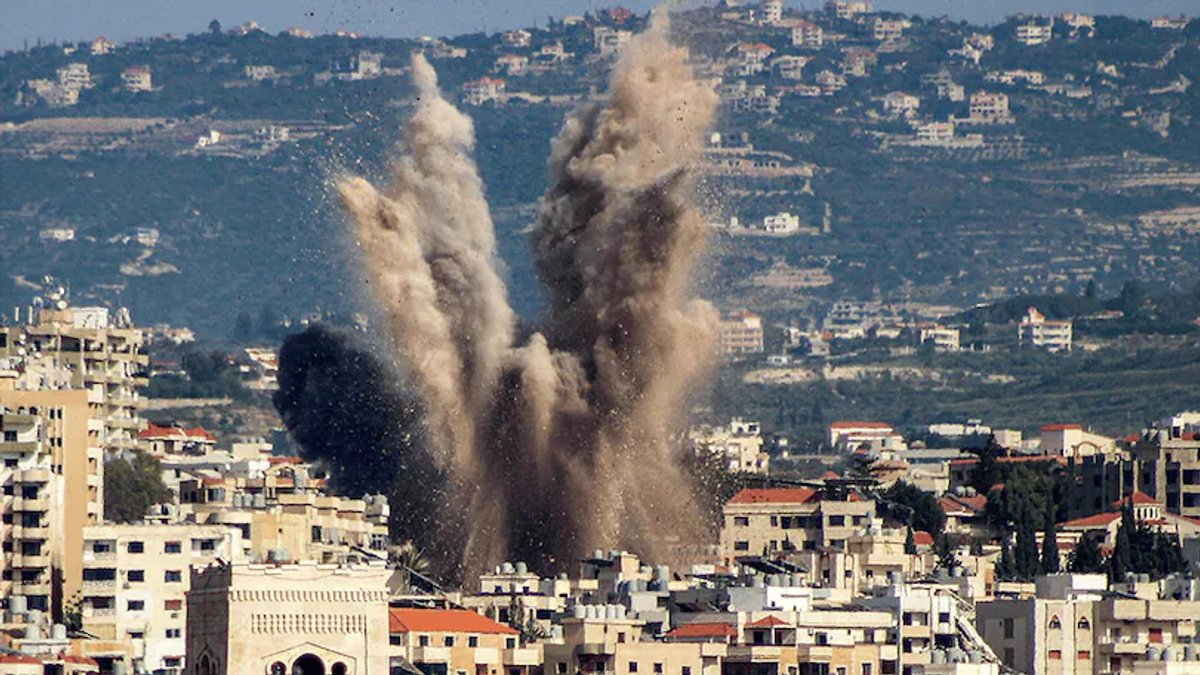
On Friday, July 24, 2026, a violent incident in the occupied West Bank resulted in the deaths of four Palestinians and one Israeli, according to reports from both Israeli and Palestinian health officials. The event, which occurred southwest of the Palestinian city of Nablus, near the town of Tal, immediately triggered a robust response from Israeli forces and an emergency meeting convened by Israeli Prime Minister Benjamin Netanyahu, signaling the high-stakes nature of the region's security landscape.
The immediate aftermath of the shooting was characterized by starkly contrasting accounts from Israeli and Palestinian sources, a common feature in the protracted conflict. The Israeli military reported that a Palestinian individual stole a weapon from local security personnel and subsequently opened fire on Israeli civilians who were hiking in the area. Conversely, Palestinian officials asserted that Palestinians from Tal were attacked by Israeli civilians, with both Israeli civilians and soldiers responsible for the deaths of four Palestinians and the wounding of four others. These divergent narratives are not merely factual disputes; they are deeply embedded in the broader political and historical context, each side presenting a version of events that reinforces its claims and grievances. Such discrepancies invariably complicate efforts towards de-escalation and reconciliation, perpetuating a cycle of blame and retribution.
In response to the attack, the Israeli military swiftly imposed a temporary closure on the city of Nablus and the Tal area, establishing roadblocks and launching a pursuit operation for the assailants. The decision by Prime Minister Netanyahu to convene an emergency meeting underscores the gravity with which the Israeli government views such security breaches, particularly when Israeli civilians are targeted. Historically, incidents of this nature in the West Bank have often led to intensified military operations, increased checkpoints, and heightened tensions, sometimes spiraling into broader confrontations. The presence of Israeli civilians, whether as hikers or residents of settlements, in the occupied territories remains a significant point of contention and a frequent flashpoint for violence.
The West Bank remains a critical geopolitical fault line, central to the Israeli-Palestinian conflict and a barometer for regional stability. Any significant escalation there carries the potential to destabilize the broader Middle East, impacting diplomatic relations, security alliances, and the fragile prospects for a two-state solution. The international community often views such incidents with concern, as they undermine peace efforts and exacerbate humanitarian challenges. The ongoing occupation, coupled with the expansion of Israeli settlements, creates an environment ripe for conflict, where even isolated incidents can quickly take on wider strategic significance. The incident also highlights the persistent challenges faced by international mediators attempting to foster dialogue and reduce violence in a region marked by deep-seated historical grievances and competing national aspirations.
This latest deadly exchange serves as a stark reminder of the enduring cycle of violence and profound distrust that characterizes the Israeli-Palestinian conflict. The conflicting accounts of the event underscore the deep chasm in perception and experience between the two sides, making it exceedingly difficult to establish common ground for peace. As Israeli forces continue their operations and Palestinian communities mourn their dead, the incident is likely to further entrench existing positions, complicate future diplomatic initiatives, and maintain the region on a precarious footing. The long-term implications point to a continued struggle for security and sovereignty, with each act of violence further hardening resolve and diminishing the prospects for a lasting resolution.
Source referenced: STRAITSTIMES
This brief was synthesized by our Editorial Engine and reviewed by The Ground Narrative team.