TRENDING

Sunday, 4 October 2026
----------------------
23 Rabi' Al-Thani 1448 AH
Sicily's Catania airport has resumed flights after a brief halt due to Mount Etna's volcanic activity, but the incident highlights the vulnerability of critical infrastructure to natural disasters. The human cost of such disruptions can be significant, affecting not just local communities but also global travel and commerce.
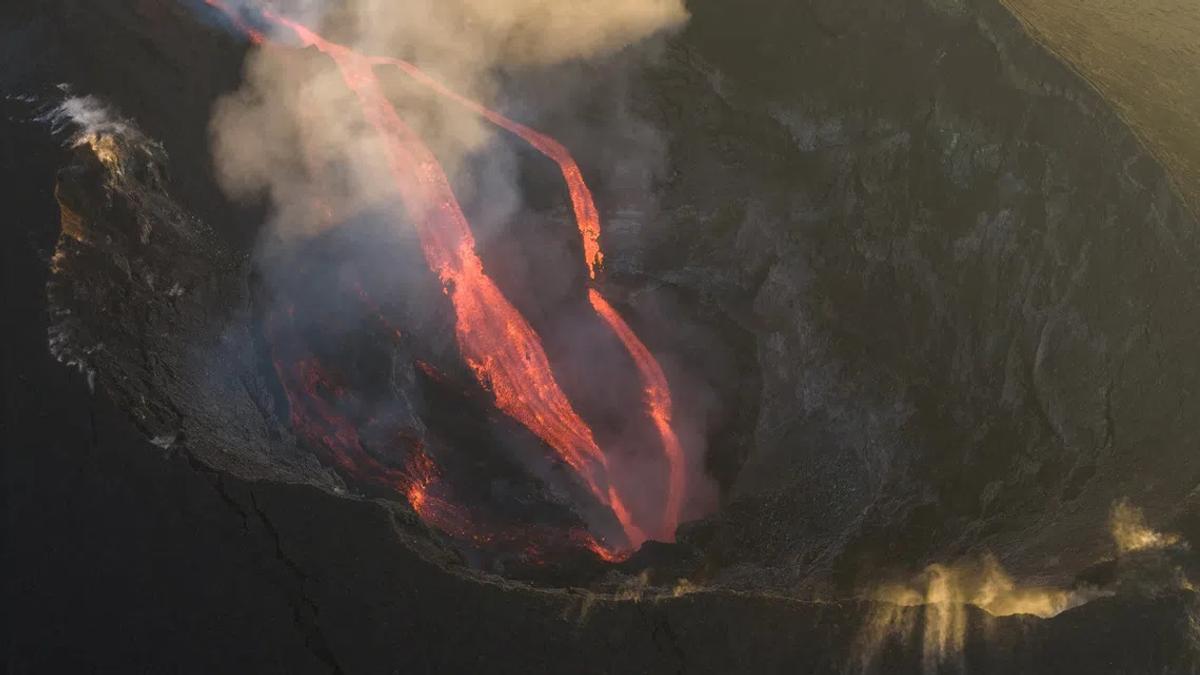
The recent volcanic activity of Mount Etna in Sicily led to a temporary shutdown of Catania airport, one of Italy's busiest hubs. The airport suspended all flights until the volcanic alert was downgraded from red to orange, allowing for the resumption of departing and incoming flights. This brief disruption underscores the potential for natural disasters to impact critical infrastructure and global connectivity.
The shutdown of Catania airport due to volcanic activity is a stark reminder of the interplay between natural phenomena and human-made systems. Air travel, a cornerstone of modern global connectivity, is vulnerable to disruptions caused by volcanic eruptions. The economic and social impacts of such disruptions can be substantial, affecting not just local communities but also international travel and commerce. The decision to suspend flights is a testament to the delicate balance between safety and economic considerations, with authorities weighing the risks of flying through volcanic ash against the economic costs of grounding flights.
The human cost of the airport shutdown is multifaceted. Travelers faced uncertainty and inconvenience, with hundreds of flights canceled or rerouted. Local businesses, particularly those reliant on tourism, also felt the pinch. Moreover, the disruption to air travel can have a ripple effect on global supply chains, potentially impacting the delivery of goods and services. The most vulnerable populations, including those with limited financial resources or urgent travel needs, are often the most affected by such disruptions.
While the immediate focus is on the resumption of flights and the economic implications, there is a broader story about the long-term risks and resilience of critical infrastructure. The frequency and intensity of natural disasters, including volcanic eruptions, are expected to increase due to climate change. This raises important questions about the preparedness and adaptability of global hubs like Catania airport to mitigate the impacts of such events. Furthermore, the interdependence of global systems means that the effects of local disruptions can be felt far beyond the immediate vicinity, highlighting the need for international cooperation and strategic planning to address these challenges.
As Catania airport returns to normal operations, it is crucial to monitor the ongoing volcanic activity of Mount Etna and the preparedness of local authorities to respond to future disruptions. The international community should also pay attention to the development of strategies and technologies aimed at enhancing the resilience of critical infrastructure to natural disasters. By doing so, we can better understand the complex dynamics at play and work towards mitigating the human cost of such events in the future.
Editor's Note: The analysis is based on publicly available information and may not reflect the full complexity of the situation on the ground.
Source referenced: STRAITSTIMES
This brief was synthesized by our Editorial Engine and reviewed by The Ground Narrative team.


