TRENDING

Tuesday, 6 October 2026
----------------------
25 Rabi' Al-Thani 1448 AH
The repatriation of medieval ruler Czar Samuel's bones sparked massive crowds in Sofia and a quiet exchange of looted artifacts with Greece, revealing deep‑seated nationalist drives and a new front in Balkan cultural politics.
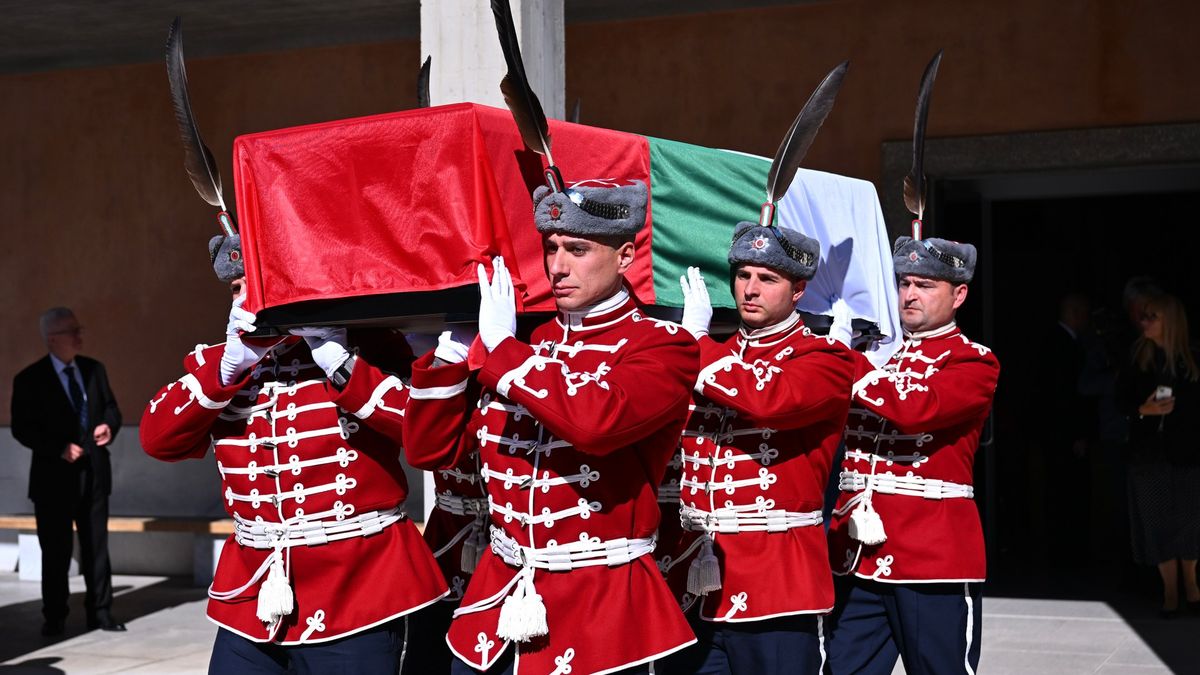
The skeletal remains of Czar Samuel, the 11th‑century ruler who once challenged the Byzantine Empire, were flown from Thessaloniki to Sofia on a military aircraft escorted by fighter jets. A public ceremony featuring a 21‑gun salute, a national anthem, and a fly‑over drew thousands of Bulgarians who cheered the return of what many consider a founding father of the nation. The hand‑over concluded weeks of negotiations between Bulgaria and Greece, culminating in an agreement that also includes the return of 48 objects Bulgaria seized from Greek churches during World War I.
The ceremony was not merely a cultural gesture; it was a calculated move in a web of regional power balances. Bulgaria leveraged the high‑profile repatriation to reinforce domestic nationalist narratives, bolstering Prime Minister Rumen Radev's standing ahead of upcoming European Parliament elections. By staging a military escort and a grand public display, the government signaled both internal cohesion and external readiness to protect national symbols.
For Greece, the exchange served a dual purpose. While conceding Samuel’s remains, Athens secured a diplomatic win by linking the deal to its broader campaign for the return of the Parthenon Marbles from the British Museum. Greek Prime Minister Kyriakos Mitsotakis framed the agreement as part of a “global re‑evaluation of cultural heritage protection,” positioning Greece as a moral leader in heritage repatriation while quietly extracting Bulgarian artifacts that could be displayed in museums or used as bargaining chips in future negotiations.
The European Union sits in the background, pressuring both states to adhere to conventions on cultural property while avoiding the resurgence of historic animosities that could destabilize the Balkans. The EU’s cultural heritage framework provides a legal veneer that both capitals can cite, allowing them to claim compliance even as they pursue nationalist agendas.
The spectacle attracted tourists and boosted short‑term revenue for Sofia’s hospitality sector, but the underlying cost falls on communities still grappling with under‑investment. Funds diverted to the elaborate ceremony and the maintenance of returned artifacts could have been allocated to rural infrastructure, education, or healthcare in regions that feel neglected by the capital.
The 48 objects slated for return include icons and liturgical items taken from churches that were damaged during the First World War. Their removal from Greek custodianship has reignited debates over the restitution of religious heritage, a matter that touches the identity of local parishioners who view these items as integral to communal worship.
A massive statue of Samuel stands in Skopje, and many Macedonians claim him as part of their own historical narrative. The Bulgarian‑Greek accord sidesteps this claim, leaving North Macedonian scholars and nationalist groups feeling excluded. This omission fuels resentment that can translate into street protests or diplomatic friction, especially as Skopje seeks EU accession.
While officials highlighted cultural reconciliation, several layers remain hidden. First, the timing aligns with Bulgaria’s push for greater defense spending under NATO’s new readiness standards; the military fly‑past was a subtle reminder of Sofia’s strategic relevance to Western security architecture. Second, the exchange of World‑War‑I loot hints at a broader, less publicized effort to settle historic grievances that could set precedents for other Balkan states with similar claims, potentially opening a cascade of restitution demands.
Moreover, the narrative of “European unity” advanced by Radev masks a domestic political calculus: by invoking a shared European heritage, the government deflects criticism over corruption scandals and economic stagnation. Greek officials, meanwhile, use the deal to soften criticism over their own delays in returning the Parthenon Marbles, positioning the Samuel exchange as evidence of a principled stance on heritage, even as they negotiate behind closed doors with the United Kingdom.
Observers should monitor three emerging threads. First, the EU’s cultural heritage policy may be tested as more Balkan states request the return of artifacts seized during the Ottoman and World‑War periods; the outcome will shape the balance between legal frameworks and nationalist politics. Second, North Macedonia is likely to issue a formal response, possibly demanding joint commemorations or a trilateral commission, which could either ease or inflame regional tensions. Finally, Bulgaria’s defense posture—highlighted by the fighter‑jet escort—suggests a willingness to blend cultural diplomacy with military signaling, a pattern that could reappear in future disputes over energy pipelines, migration routes, or NATO exercises in the Balkans.
Both governments see the exchange as a way to boost domestic nationalist credentials and to demonstrate compliance with EU cultural‑heritage norms, while also using the deal to gain diplomatic leverage on other contentious issues.
North Macedonia views Samuel as part of its own historical narrative; the bilateral deal sidelines Macedonian claims, potentially fueling resentment and prompting Skopje to demand a trilateral dialogue on shared heritage.
The EU may need to clarify or strengthen its cultural‑property conventions, balancing legal consistency with the risk of inflaming nationalist disputes that could destabilize the region.
Source referenced: ALJAZEERA
This brief was synthesized by our Editorial Engine and reviewed by The Ground Narrative team.