TRENDING

Tuesday, 6 October 2026
----------------------
25 Rabi' Al-Thani 1448 AH
As US fuel prices surge ahead of midterm elections, official narratives deflect blame from global conflicts. This analysis unpacks the true power dynamics and the human cost of distant wars on your wallet.
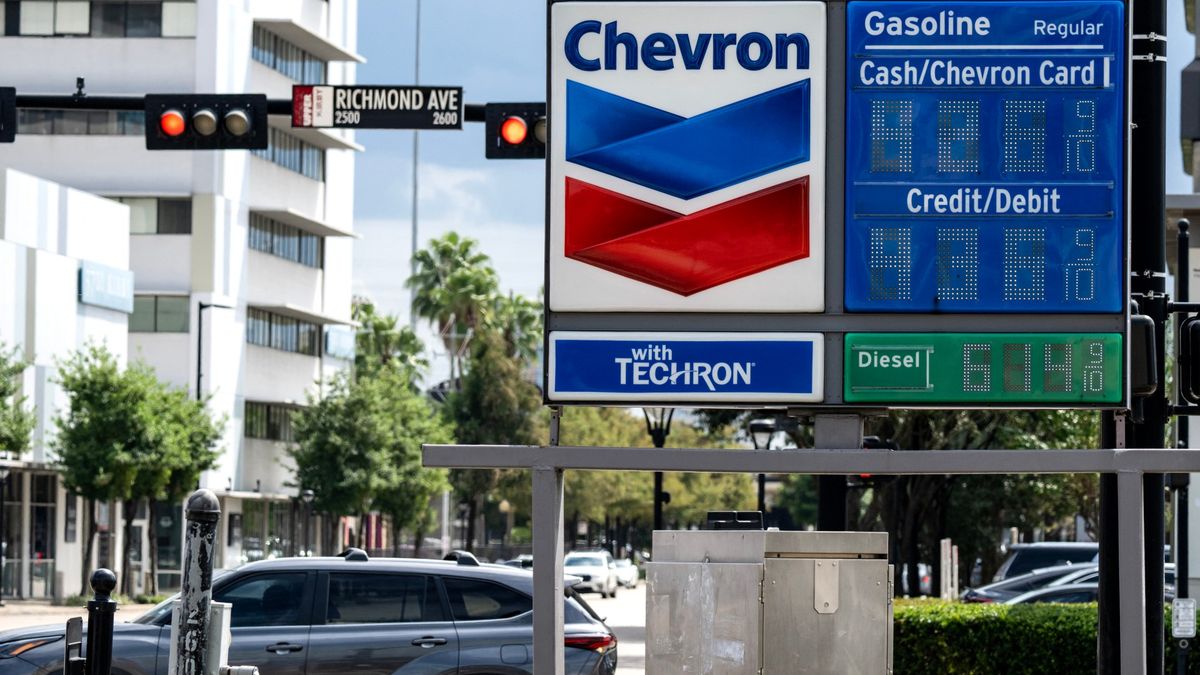
As the United States approached its October 2026 midterm elections, citizens faced a significant surge in fuel prices, with the national average for gasoline climbing to $4.36 per gallon. This represented a sharp increase from $4.14 just a month prior and a dramatic jump from $2.98 on February 28, the date when the US and Israel initiated strikes against Iran. In response to public concern, President Donald Trump publicly attributed the soaring costs to domestic refinery closures in "Blue States" and Ukraine's ongoing attacks on Russian oil processing facilities. He explicitly denied any connection between the price hikes and the US-Israel conflict with Iran, claiming that the Strait of Hormuz was experiencing "record numbers of barrels" flowing through it. However, independent data contradicted this assertion, revealing a precipitous 97 percent drop in oil exports through the crucial Strait of Hormuz since the Iran conflict began, directly choking global supplies and contributing to the escalating costs felt by consumers worldwide.
The current spike in fuel prices is not merely an economic anomaly but a direct manifestation of interwoven geopolitical power plays, each designed to secure advantage or deflect accountability. At its core, the situation reveals how global conflicts are leveraged and spun for domestic political gain, while the structural forces of energy supply and demand respond with brutal clarity.
President Trump's swift move to blame Democrats and Ukraine for the fuel price crisis is a textbook maneuver in political survival. Facing critical midterm elections, his administration is acutely aware that economic hardship, particularly at the gas pump, directly impacts voter sentiment. By shifting the narrative away from the US-Israel war on Iran – a foreign policy decision of his own making – he attempts to insulate himself from accountability. This strategy aims to simplify a complex global problem into a partisan domestic issue, framing it as a failure of political opponents or the consequence of a distant conflict, rather than a direct outcome of his administration's actions in the Middle East. Historically, US presidents have often faced electoral challenges tied to energy prices, making the control of this narrative a high-stakes political imperative.
The Strait of Hormuz is arguably the world's most critical oil chokepoint, through which a significant portion of global seaborne oil passes daily. The reported 97 percent plunge in exports since the US-Israel conflict with Iran began underscores its immense strategic importance. This disruption is not accidental; it is a direct consequence of escalating tensions and potential military actions in the region. Whether through direct attacks, threats to shipping, or increased insurance premiums making transit prohibitive, the conflict weaponizes the flow of oil. Iran, acutely aware of its geographic advantage, has historically used the threat of closing or disrupting the Strait as leverage against adversaries. The current situation demonstrates this leverage in action, transforming a narrow waterway into a bottleneck for the global economy and a direct driver of consumer prices.
The G7's agreement to release 100 million barrels of diesel and crude from emergency reserves, specifically under pressure from the White House, highlights a clear power dynamic within international alliances. The US, facing domestic political pressure over high fuel prices, effectively externalized some of its economic burden onto its allies. The threat of a US diesel export ban to European Union members like France and Germany was a coercive measure, forcing these nations to deplete their own strategic reserves. This action reveals a hierarchy where the US's immediate domestic political stability can take precedence over the long-term energy security and resilience of its allies. While presented as a cooperative effort, it underscores the asymmetrical nature of power within these alliances, where the most powerful member can dictate terms to mitigate its own internal challenges.
Ukraine's sustained and increasingly effective attacks on Russia's oil refining capacity represent a critical front in the ongoing conflict. By claiming to have disabled over half of Russia's refining capacity, Kyiv is engaging in economic warfare designed to cripple Moscow's ability to process and export refined petroleum products. This strategy aims to reduce Russia's revenue streams, which are vital for funding its war efforts, and to create internal economic pressure within Russia. While militarily logical for Ukraine, these attacks have global ripple effects, particularly on diesel prices, which are crucial for global logistics, agriculture, and industrial activity. This demonstrates how a localized conflict can disrupt global commodity markets, reinforcing the interconnectedness of energy supply chains.
While President Trump pointed to refinery closures in Democratic-led states like California as a primary cause of price hikes, this argument simplifies a far more complex reality. The closure of two refineries in California, reducing the state's capacity by 17 percent, certainly contributes to regional supply gaps. However, these closures are often driven by a confluence of factors, including stringent environmental regulations, aging infrastructure, market consolidation, and shifts towards cleaner energy. Attributing these closures solely to "Dumocrats" for political purposes ignores the broader market dynamics and the long-term trends in the energy sector. This framing serves to distract from the overwhelming impact of global supply disruptions, attempting to localize blame for a problem with international roots.
The US Strategic Petroleum Reserve (SPR) hitting its lowest level since 1982 is a stark indicator of the severity of the current energy crisis and the extent to which strategic assets are being deployed to manage domestic prices. The SPR was established for genuine national security emergencies, such as major supply disruptions or natural disasters. Its current depletion, particularly ahead of elections, suggests its use as a political tool to buffer consumers from price shocks and manage inflation perception. While offering short-term relief, this strategy significantly compromises the nation's ability to respond to future, potentially more severe, supply crises, leaving the US strategically vulnerable in the long run. The immediate political benefit comes at the cost of future resilience.
The abstract world of geopolitical power struggles and energy markets translates directly into tangible hardships for ordinary people, their families, and the communities they inhabit. The current fuel price surge is not an isolated economic statistic; it is a silent tax levied on daily life, disproportionately affecting those with the least capacity to absorb it.
For millions of Americans and global citizens, the rising price at the pump is an immediate and painful hit to their household budgets. The jump from $2.98 to $4.36 per gallon represents a significant increase in the cost of commuting to work, taking children to school, or running essential errands. This reduces disposable income, forcing families to make difficult choices between fuel, groceries, healthcare, or other necessities. For those living paycheck to paycheck, even a few extra dollars per tank can mean foregoing a meal or delaying a crucial bill payment. The psychological toll of this economic uncertainty and the constant budgeting pressure adds another layer of stress to daily life.
The ripple effect of high fuel prices extends far beyond individual consumers. Small businesses, the backbone of many local economies, are particularly vulnerable. Companies in logistics, delivery services, agriculture, and manufacturing face dramatically increased operating costs. Trucking companies, for instance, must either absorb these higher fuel expenses, impacting their profitability, or pass them on to their clients, which then translates into higher prices for goods and services across the board. This creates a vicious cycle of inflation, where the cost of transporting raw materials, producing goods, and delivering them to market all rise, ultimately burdening the end consumer. This strain can lead to reduced competitiveness, job losses, and even business closures, especially for those operating on thin margins.
While often overlooked in immediate discussions of fuel prices, the cost of diesel directly impacts global food security. Diesel powers the tractors and machinery used for planting and harvesting crops, the trucks that transport produce from farms to markets, and the ships that move food across continents. When diesel prices surge, the cost of food production and distribution inevitably rises. This can exacerbate food insecurity in vulnerable regions, particularly those already grappling with climate change, conflict, and economic instability. For populations in developing nations, higher food prices can mean increased hunger and malnutrition, turning a geopolitical energy crisis into a humanitarian one.
European Union nations, pressured by the US to release their own strategic reserves, face a compromised energy security outlook. Depleting these reserves, which include crucial diesel and crude, leaves Europe more exposed to future energy shocks, particularly as the colder months approach. This short-term relief for US domestic political concerns could translate into higher energy costs for European consumers and industries in the long run, potentially impacting industrial output, heating costs, and overall economic stability across the continent. It highlights how the energy decisions of one powerful nation can create cascading vulnerabilities for its allies.
In the cacophony of political rhetoric and immediate crisis management, powerful actors consistently downplay, omit, or deliberately misframe crucial aspects of the energy crisis. The true narrative often lies in what is left unsaid, in the connections that are denied, and in the long-term consequences that are ignored for short-term political expediency.
President Trump's assertion that the Strait of Hormuz is flowing "record numbers of barrels" is not merely an inaccuracy; it is a deliberate and verifiable misdirection. Data from the American Automobile Association (AAA) and expert analysis from the Center for a New American Security directly contradict this claim, indicating a 97 percent plunge in exports through the Strait since the US-Israel conflict with Iran began. This dramatic reduction in supply from a vital region is a primary driver of global oil prices. By denying this direct link, the administration attempts to shield its foreign policy decisions from public scrutiny and accountability, portraying the crisis as an external or domestic issue rather than a consequence of its own strategic choices.
The US-Israel war on Iran is framed within the context of national security, deterrence, or regional stability. What is consistently omitted from official discourse is the direct and immediate economic cost of such military engagements, particularly when they involve critical energy-producing regions. The strategy of "maximum pressure" or direct military action against Iran has a clear and measurable impact on global energy markets, an impact that is ultimately borne by consumers worldwide. Governments rarely articulate this direct trade-off to their citizens, preferring to focus on the perceived geopolitical benefits while externalizing the economic fallout onto the public. The human cost at the gas pump is the unacknowledged tax of these strategic decisions.
The rapid depletion of the US Strategic Petroleum Reserve (SPR), reaching its lowest level since 1982, is presented as a necessary measure to alleviate consumer pain. However, the timing – ahead of critical midterm elections – strongly suggests its deployment as a political tool. While offering temporary relief, this action significantly erodes a vital national security asset designed for catastrophic supply disruptions. The long-term implications of compromising this strategic buffer, leaving the nation more vulnerable to future crises, are rarely highlighted in political messaging. The immediate political gain of slightly lower gas prices comes at the expense of the nation's future energy resilience and preparedness.
Official narratives often seek to compartmentalize global crises: the Ukraine war is one issue, Middle East instability another, and domestic refinery closures a third. However, as noted by experts like Rachel Ziemba, these conflicts are "reinforcing each other," creating a complex and volatile web of supply disruptions and price volatility. The globalized nature of energy markets means that a drone strike in Russia or a naval maneuver in the Persian Gulf can have immediate and compounding effects on prices in California or Berlin. Powerful actors prefer to isolate blame rather than acknowledge the systemic nature of global energy markets and the compounding effects of multiple simultaneous crises, as this would complicate their ability to control the narrative and assign blame selectively.
Amidst the immediate scramble to manage fuel prices through strategic reserve releases and blame-shifting, there is a striking lack of focus on accelerating a long-term transition away from fossil fuels. The current crisis is a stark reminder of the inherent vulnerability of nations reliant on volatile regions and commodities. Yet, the emphasis remains on managing the existing fossil fuel market rather than fundamentally investing in and transitioning to renewable energy sources that would reduce geopolitical exposure. This omission perpetuates a cycle of reliance on fossil fuels, ensuring that future geopolitical shocks will continue to translate into economic pain at the pump, rather than seizing the opportunity for genuine energy independence and sustainability.
As the dust settles from the immediate political and economic fallout, several key indicators will reveal the true trajectory of this complex energy crisis and its broader implications.
Midterm Election Outcomes: The results of the upcoming US midterm elections will serve as a crucial barometer for the effectiveness of President Trump's blame-shifting strategy. A significant shift in the balance of power in Washington could signal public rejection of his narrative and potentially influence future foreign policy and energy decisions, particularly regarding the Middle East and the use of strategic reserves.
The Strait of Hormuz Flow: Closely monitor any changes in oil exports through the Strait of Hormuz. Any further escalation or de-escalation in the US-Israel-Iran conflict will directly impact the volume of oil transiting this critical chokepoint. Watch for official statements from Iran regarding its maritime intentions, as well as any diplomatic efforts to de-escalate tensions in the Persian Gulf that could stabilize flows.
Ukraine's Targeting Strategy: Continue to observe the frequency and effectiveness of Ukrainian attacks on Russian energy infrastructure. Should Kyiv sustain or intensify these strikes, global diesel supplies and prices will remain under significant pressure. Conversely, any shift in Ukraine's strategy or Russia's ability to repair and protect its facilities could alter market dynamics.
Strategic Reserve Levels and Replenishment: Pay attention to whether the US and G7 nations make concrete plans to replenish their depleted strategic petroleum reserves. A lack of clear replenishment strategy would signal continued vulnerability to future supply shocks and a prioritization of short-term price management over long-term energy security. Conversely, aggressive replenishment efforts could indicate a recognition of the strategic risk.
Consumer Behavior and Broader Inflation: Track how long consumers can absorb these elevated fuel costs before making significant changes to their spending habits, travel patterns, and overall economic activity. Persistent high fuel prices are likely to translate into broader inflationary pressures across various sectors, potentially leading to reduced consumer spending, slower economic growth, and even recessionary pressures, impacting global markets beyond just energy.
Source referenced: ALJAZEERA
This brief was synthesized by our Editorial Engine and reviewed by The Ground Narrative team.