TRENDING

Monday, 26 October 2026
----------------------
15 Jumada Al-Awwal 1448 AH
Opposition leader Maria Corina Machado has returned to Venezuela after months in exile, greeted by large crowds. Her return reignites a long-standing power struggle, with the US having previously taken significant action against the sitting president.
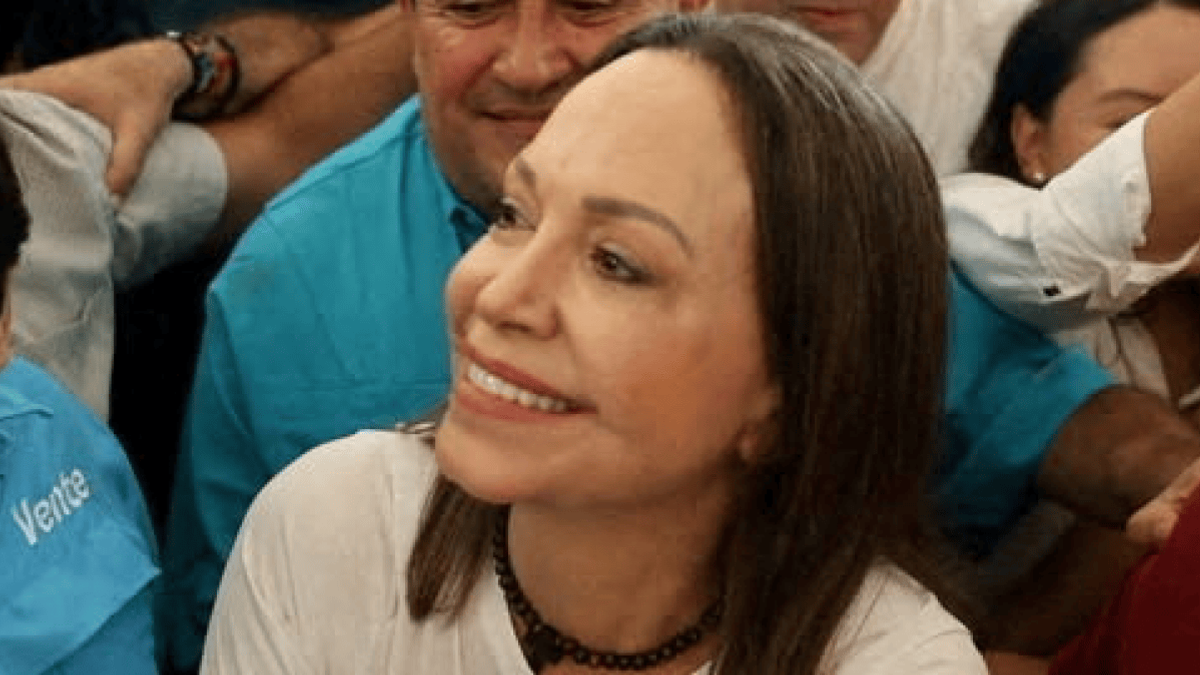
Maria Corina Machado, a prominent Venezuelan opposition figure and Nobel Peace Prize winner, has returned to her home country after more than ten months in exile. Her arrival was met by large, enthusiastic crowds waving Venezuelan national flags, signaling significant popular support for her cause. This highly anticipated return follows a period where the United States took assertive measures against the government of then-president Nicolas Maduro shortly after Machado's initial departure from Venezuela, intensifying the long-running political and economic crisis.
Machado's return to Venezuela is not merely a personal journey but a calculated move within a complex web of domestic and international power dynamics. For President Nicolas Maduro and his ruling United Socialist Party of Venezuela (PSUV), the primary objective is political survival and the maintenance of control over the nation's vast natural resources, particularly its oil. Maduro's government has historically relied on a combination of military loyalty, patronage networks, and the suppression of dissent to remain in power. Machado's presence on Venezuelan soil directly challenges this stability, forcing the government to weigh the risks of further repression against the potential for widespread popular unrest.
Machado's strategy appears to be one of popular mobilization, aiming to galvanize the fractured opposition and channel public discontent into a unified political force. Her status as a Nobel Peace Prize winner grants her significant international legitimacy, making it harder for the Maduro government to dismiss her as a fringe figure or a foreign-backed extremist without incurring further international condemnation. Her return could be a precursor to demanding free and fair elections, or it could be a move to force a negotiated transition of power, potentially with international mediation.
The role of the United States is central to understanding the broader power mechanics at play. The report notes that the US took significant action against Maduro
Machado's return is significant because she is a prominent opposition leader and Nobel Peace Prize winner, symbolizing a renewed challenge to President Nicolas Maduro's government. Her presence on Venezuelan soil could galvanize opposition movements and intensify the country's long-standing political crisis.
The report states the US 'seized' then-President Nicolas Maduro shortly after Machado's departure. This likely refers to the US issuing an indictment, imposing severe sanctions, or recognizing an alternative interim government, rather than a physical seizure, aiming to delegitimize and pressure Maduro's regime.
Editor's Note: The term 'US seized Venezuela’s then president Nicolas Maduro' is interpreted as significant US action (e.g., indictment, sanctions, recognition of alternative government) rather than physical apprehension, given the context of a head of state.
Source referenced: ALJAZEERA
This brief was synthesized by our Editorial Engine and reviewed by The Ground Narrative team.