TRENDING

Sunday, 25 October 2026
----------------------
14 Jumada Al-Awwal 1448 AH
South Africa is grappling with widespread gastrointestinal illness outbreaks, directly linked to contaminated municipal water. This crisis exposes deep-seated issues in infrastructure, governance, and public accountability.
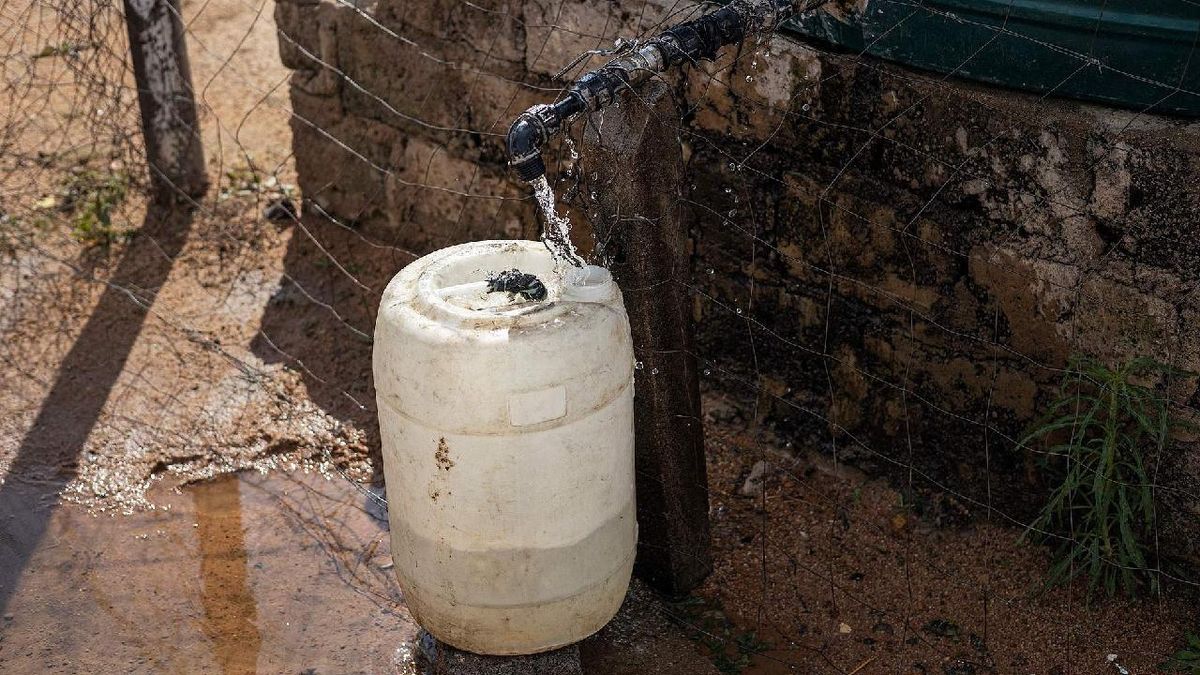
South Africa is currently investigating two distinct outbreaks of gastrointestinal illness, both stemming from compromised water quality. In Tshwane, over 400 cases have been recorded, directly linked to contaminated water supplied by the Bronkhorstspruit Water Treatment Works. Laboratory tests revealed alarmingly high levels of E. coli and other harmful bacteria, with patient samples also detecting norovirus, Campylobacter, and Shigella. Separately, Rhodes University in Makhanda has reported more than 100 student cases, with similar illnesses noted in the wider community, suggesting a broader regional issue, though its specific cause remains under investigation. The Tshwane contamination was traced to a failure in the water treatment process, where unchlorinated water was distributed for weeks due to problems with a chlorine supplier and a critical lapse in municipal communication to residents.
The current water crisis in South Africa is not an isolated incident but a symptom of profound systemic failures rooted in the country's post-apartheid governance and economic structures. The African National Congress (ANC), having governed since 1994, inherited a deeply unequal infrastructure landscape. While initial efforts focused on expanding access, decades of underinvestment, mismanagement, and corruption have eroded the gains, leading to the decay of critical public services like water and sanitation.
At the heart of the problem lies the capacity and accountability of municipal governments. Water service delivery is largely decentralized, placing immense pressure on local authorities often ill-equipped to handle the technical, financial, and administrative complexities. Many municipalities suffer from a severe shortage of skilled engineers, technicians, and financial managers. This human capital deficit is exacerbated by political appointments, where loyalty often trumps expertise, leading to inefficient operations and poor oversight of vital infrastructure. The failure of the Tshwane municipality to alert residents about unchlorinated water, despite knowing the issue for weeks, underscores a critical breakdown in public duty and transparency.
Economic incentives also play a significant, often perverse, role. Maintenance and upgrading of existing infrastructure are typically less visible and politically less appealing than launching new, large-scale projects. New projects, however, often present more opportunities for tenderpreneurship and corruption, where contracts are awarded based on patronage rather than merit, leading to inflated costs and substandard work. Funds earmarked for essential maintenance are frequently diverted or simply disappear, leaving treatment plants and sewage systems to crumble. The issue with the chlorine supplier in Tshwane could be seen through this lens: a breakdown in the supply chain that points to broader procurement vulnerabilities and a lack of robust contingency planning.
Furthermore, the regulatory framework, overseen by the Department of Water and Sanitation, appears to lack the teeth or the will to enforce compliance effectively. While regulations exist, consistent monitoring, auditing, and punitive actions against non-compliant municipalities are often weak or absent. This creates an environment where negligence can persist without immediate consequence. President Cyril Ramaphosa's apology and the establishment of a National Water Crisis Committee represent a political response aimed at restoring public confidence and demonstrating governmental action. However, without addressing the underlying structural issues of governance, corruption, and capacity, such committees risk becoming temporary fixes rather than catalysts for lasting change.
The immediate and most devastating impact of South Africa's water quality crisis falls squarely on its ordinary citizens, particularly the most vulnerable. The outbreaks of gastrointestinal illness are not merely statistics; they represent widespread suffering, fear, and a profound erosion of dignity.
For residents in Tshwane and students in Makhanda, the contaminated water has led to acute illnesses characterized by severe vomiting, diarrhea, and dehydration. While many will recover, the elderly, infants, and individuals with compromised immune systems face significantly higher risks of severe complications, hospitalization, or even death. The presence of E. coli, norovirus, Campylobacter, and Shigella points to serious fecal contamination, which can have long-term health consequences, including chronic digestive issues and stunted growth in children. The strain on public healthcare facilities, already stretched thin, becomes immense during such outbreaks, diverting resources from other critical health needs.
The crisis imposes a heavy economic burden on households. Families are forced to purchase expensive bottled water for drinking, cooking, and even brushing teeth, a significant financial strain for low-income communities where every rand counts. This extra cost often means sacrificing other necessities like food, education, or transport. Lost wages due to illness, medical expenses for treatment, and the disruption of daily life further exacerbate poverty. Small businesses, particularly those in the food and hospitality sectors, also suffer from reduced consumer confidence and the need to implement costly precautionary measures. The stark reality is that while some can afford alternatives, millions cannot, deepening existing inequalities.
Beyond the tangible costs, the water crisis inflicts a severe blow to public trust in the government and public services. When the most basic necessity – safe drinking water – cannot be guaranteed, it shatters the social contract. The constant anxiety about water safety, the indignity of having to queue for tanker deliveries, and the fear of falling ill from a fundamental utility erode the psychological well-being of communities. For students at Rhodes University, an institution of higher learning, the inability to provide safe water on campus disrupts education, creates stress, and undermines the learning environment, highlighting that even relatively privileged segments of society are not immune to the systemic failures.
While official statements focus on immediate investigations and crisis committees, several deeper, more uncomfortable truths are often downplayed or omitted from the public discourse surrounding South Africa's water crisis. These untold stories reveal the structural challenges that make such outbreaks recurrent.
The most significant unspoken factor is the pervasive corruption within South Africa's state-owned enterprises and municipal procurement systems. Funds allocated for the maintenance, upgrade, and expansion of critical water and sanitation infrastructure are routinely siphoned off through fraudulent tenders, kickbacks, and mismanagement. This
Source referenced: CGTN
This brief was synthesized by our Editorial Engine and reviewed by The Ground Narrative team.