TRENDING

Sunday, 25 October 2026
----------------------
14 Jumada Al-Awwal 1448 AH
A Chinese medical team has opened free Traditional Chinese Medicine clinics across Sierra Leone, offering pain relief and training. The move intertwines health aid with deeper geopolitical calculations.
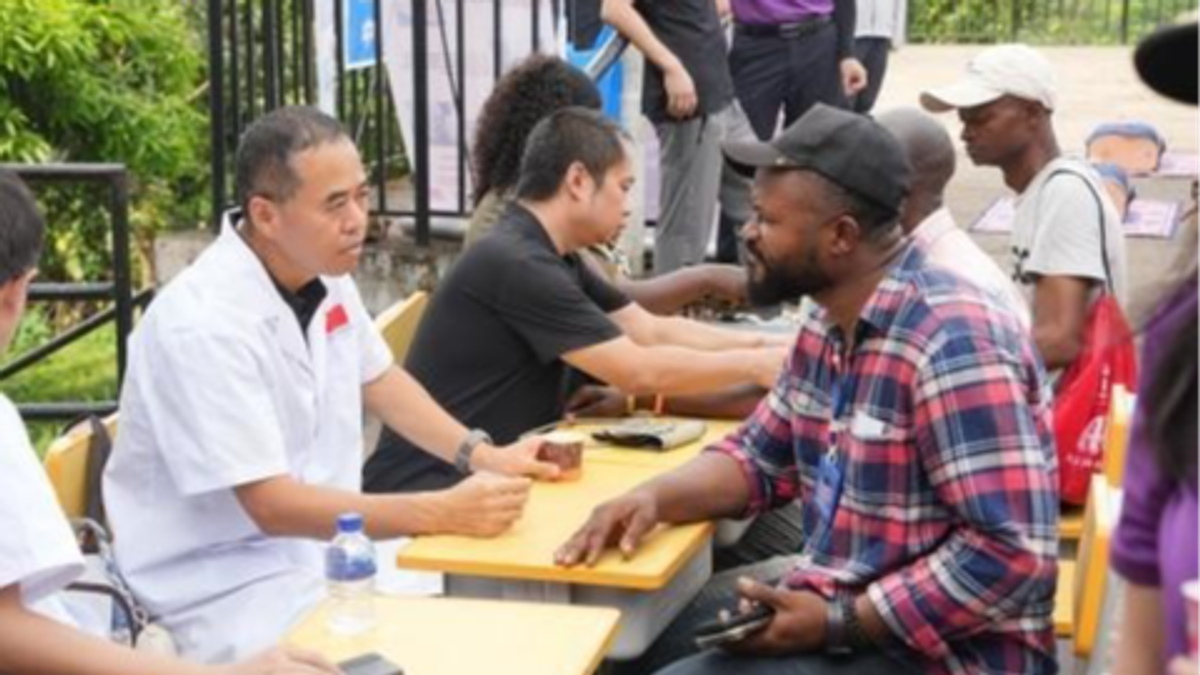
The 27th Chinese medical team arrived in Sierra Leone this October under the “100 Medical Teams in 1,000 Villages” program. In the capital region they ran free community clinics, delivering acupuncture, tuina massage and other TCM therapies to nearly 100 residents in Calaba Town. The outreach coincided with World Traditional Medicine Day and included health screenings, cataract checks and on‑site training for local doctors.
China has long used medical aid to project a benevolent image abroad, especially in Africa where infrastructure gaps are acute. By sending Traditional Chinese Medicine practitioners, Beijing showcases a cultural export that differentiates its assistance from Western biomedical models. The visible, tactile nature of acupuncture needles and massage sessions creates a memorable experience that can translate into goodwill for future trade or security agreements.
The program is funded through a mix of state budget allocations and corporate sponsorship from Chinese pharmaceutical firms that produce herbal extracts and acupuncture devices. These companies gain access to new markets, while the Chinese government secures a foothold for future commercial ventures, such as exporting TCM products or establishing joint research centers. The health partnership also dovetails with the broader China‑Africa Health Partnership Initiative, which promises joint vaccine production and disease‑surveillance networks.
At a time when Western donors are reassessing aid models in West Africa, Beijing positions itself as a reliable partner that fills gaps left by shrinking budgets. The timing aligns with China’s Belt and Road investments in Sierra Leone’s ports and mining sector, suggesting a coordinated package of health, infrastructure and resource deals. By linking medical outreach to the friendship hospital, the narrative reinforces a bilateral relationship that can be leveraged in multilateral forums such as the African Union.
The primary beneficiaries are manual workers whose daily grind produces neck, shoulder and joint ailments. For many, a single acupuncture session offers immediate relief that would otherwise require costly travel to urban hospitals. However, the episodic nature of the clinics means relief is temporary; without sustained follow‑up, patients risk recurring pain and lost wages.
Sierra Leone’s public health budget is already stretched thin, covering malaria, Ebola preparedness and maternal care. While the free TCM services relieve pressure on overburdened clinics, they also create a parallel system that diverts patients from the national health strategy. Local doctors receive short‑term training, but the lack of certification pathways limits long‑term integration of TCM into the public sector.
Women, who often shoulder both household chores and informal labor, are disproportionately represented among chronic pain patients. The free clinics provide a rare space for them to receive care without paying out‑of‑pocket fees. Yet, cultural norms sometimes restrict women’s mobility, meaning many still cannot reach the temporary sites, leaving a segment of the most vulnerable untreated.
The friendship hospital where the team operates was built with Chinese loans that carry repayment terms tied to future mineral exports. While the medical outreach is presented as altruistic, it is bundled with financial obligations that could strain Sierra Leone’s fiscal space if commodity prices fall. The public narrative rarely mentions these loan conditions.
Chinese officials tout “immediate relief” but provide no systematic data on treatment outcomes, patient follow‑up or adverse events. Without transparent metrics, it is difficult for Sierra Leonean authorities or independent observers to assess the true health impact versus the political capital gained by China.
Western NGOs have warned that parallel health systems can undermine national health planning. Their statements are often downplayed in local media, which focuses on the novelty of acupuncture and the gratitude expressed by community leaders. The broader debate about aid coordination remains largely invisible to the average resident.
The team has announced plans to extend grassroots services nationwide. Monitoring where new clinics appear will reveal whether the rollout aligns with regions rich in natural resources, hinting at a strategic overlay of health aid and extractive interests.
Sierra Leone’s Ministry of Health may soon need to decide whether to incorporate TCM into its official health guidelines. Legislative debates, funding allocations and training accreditation will indicate how deeply the Chinese model becomes institutionalized.
Future elections could see candidates citing the Chinese medical teams as evidence of effective foreign partnership. Tracking voter sentiment and media coverage around health aid will show whether soft power translates into electoral advantage for pro‑China politicians.
---
China uses TCM outreach as a form of health diplomacy, showcasing cultural soft power while opening doors for economic and strategic cooperation in the region.
Reliance on foreign‑funded clinics can create parallel health systems, obscure debt obligations tied to infrastructure loans, and limit the country's ability to set independent health policy.
Patients receive immediate pain relief and health screenings they could not otherwise afford, but the episodic nature of the service means long‑term health outcomes remain uncertain.
Source referenced: CGTN
This brief was synthesized by our Editorial Engine and reviewed by The Ground Narrative team.