TRENDING

Monday, 26 October 2026
----------------------
15 Jumada Al-Awwal 1448 AH
Incumbent Iliana Iotova and former caretaker Andrey Gyurov will face off in a November 1 run‑off after a record‑low 22% voter turnout. The contest pits a Russia‑leaning president against a pro‑Western challenger, with the Black Sea security backdrop weighing on ordinary Bulgarians.
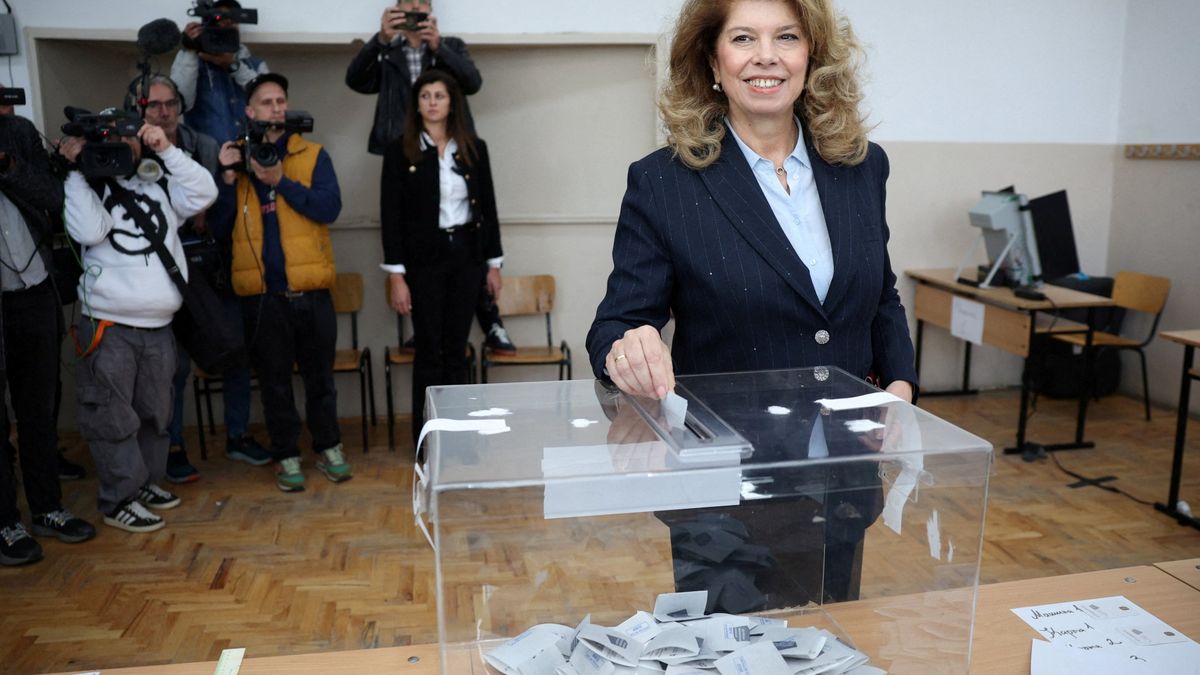
The presidential vote in Bulgaria on October 25 failed to produce a winner, sending the race to a November 1 run‑off between incumbent Iliana Iotova and former caretaker premier Andrey Gyurov. Exit polls placed Iotova at roughly 35‑36% and Gyurov at 31‑33%, while overall participation stalled at just 22.2% of registered voters. The low turnout triggered the constitutional requirement for a second round, as no candidate cleared the 50% threshold.
The election featured an unprecedented 27 candidates, reflecting a fragmented political landscape. Both contenders condemned recent drone attacks on commercial vessels in the Black Sea, but their rhetoric diverged sharply on how to balance relations with the West and Moscow. The interior ministry declared the process peaceful, noting an absence of the usual vote‑buying accusations that have marred past contests.
Bulgaria’s strategic position on NATO’s southeastern flank makes its presidential office more than a ceremonial post. While the president cannot unilaterally set foreign policy, they command the armed forces and can veto legislation, giving the role a symbolic weight in security debates. Iotova, backed by the ruling Progressive Bulgaria party and the Socialist Party, leans toward a pragmatic engagement with Russia, hoping to temper sanctions‑related economic pain.
Gyurov, a former prime minister who signed a security cooperation pact with Ukraine, rides a wave of pro‑Western sentiment amplified by NATO and European Union allies eager to keep the Black Sea corridor stable. His platform promises deeper integration with EU structures, leveraging EU funds to offset rising energy costs and inflation that have eroded public confidence.
Both candidates are also navigating domestic pressures: the ruling coalition’s fragile majority in parliament, the need to appease powerful business oligarchs tied to energy imports, and the looming threat of further maritime incidents that could drag Bulgaria into a broader regional confrontation.
In the streets of Sofia, cafés that once thrived on tourism now see fewer patrons as disposable income shrinks. Inflation, driven by soaring energy prices, has pushed a larger share of households into poverty, especially in the north‑western provinces where agricultural wages lag behind urban averages.
Coastal towns such as Varna and Burgas feel the immediate impact of the drone strikes. Fishermen report disrupted routes, higher insurance premiums, and a growing reluctance among younger workers to stay in the industry, threatening the livelihoods of families that have depended on the sea for generations.
In the interior city of Plovdiv, protests have emerged demanding better public services and transparent allocation of EU recovery funds. Residents argue that political elites are more focused on diplomatic posturing than on repairing crumbling infrastructure, schools, and hospitals that directly affect daily life.
State‑run media have largely framed the election as a binary choice between “stability” and “radical change,” downplaying the depth of voter disengagement that the 22% turnout reveals. Official statements emphasize the peaceful nature of the vote, yet they omit discussion of systemic issues like media concentration, opaque campaign financing, and the influence of foreign energy lobbyists.
The government has also minimized the economic fallout from the Black Sea attacks, presenting them as isolated incidents while quietly negotiating with Russian energy firms for discounted gas supplies. This back‑channel diplomacy is rarely disclosed, leaving citizens unaware of the trade‑offs being made between short‑term price relief and long‑term strategic alignment.
Meanwhile, the EU has highlighted Bulgaria’s commitment to democratic norms, but it has not pressed the member state to address the root causes of low civic participation, such as corruption scandals and the perception that presidential powers are largely symbolic.
The upcoming run‑off will test whether Bulgarians are willing to endorse a candidate who promises closer ties with the West despite economic hardships, or to stick with a familiar face who may offer a softer stance toward Russia. Voter engagement initiatives, such as mobile polling stations in rural areas, could shift the final percentages if they succeed in mobilizing the apathetic electorate.
Watch for any sudden changes in the security environment of the Black Sea; a spike in attacks could force the president‑elect to adopt a more hard‑line defense posture, altering Bulgaria’s NATO commitments.
Finally, monitor the negotiation of a new security pact with Kyiv. The terms of that agreement—particularly any clauses on joint naval patrols—will reveal how much strategic latitude the incoming president will have, and whether Bulgaria can balance its economic dependencies with its alliance obligations.
Turnout fell to 22% due to widespread disillusionment with political parties, economic hardship from rising energy costs, and a perception that the president’s limited powers make the vote less consequential.
Iotova favors a pragmatic approach toward Russia to ease energy prices, while Gyurov pushes for deeper integration with NATO and the EU, emphasizing a security pact with Ukraine and a firmer stance against Russian aggression.
Source referenced: ALJAZEERA
This brief was synthesized by our Editorial Engine and reviewed by The Ground Narrative team.


