TRENDING

Monday, 26 October 2026
----------------------
15 Jumada Al-Awwal 1448 AH
Seven years after the historic Tishreen protests, Iraqis gather once more in Tahrir Square, renewing calls for an end to systemic corruption and accountability for those killed. The initial movement led to a prime minister's resignation, yet fundamental reforms remain elusive.
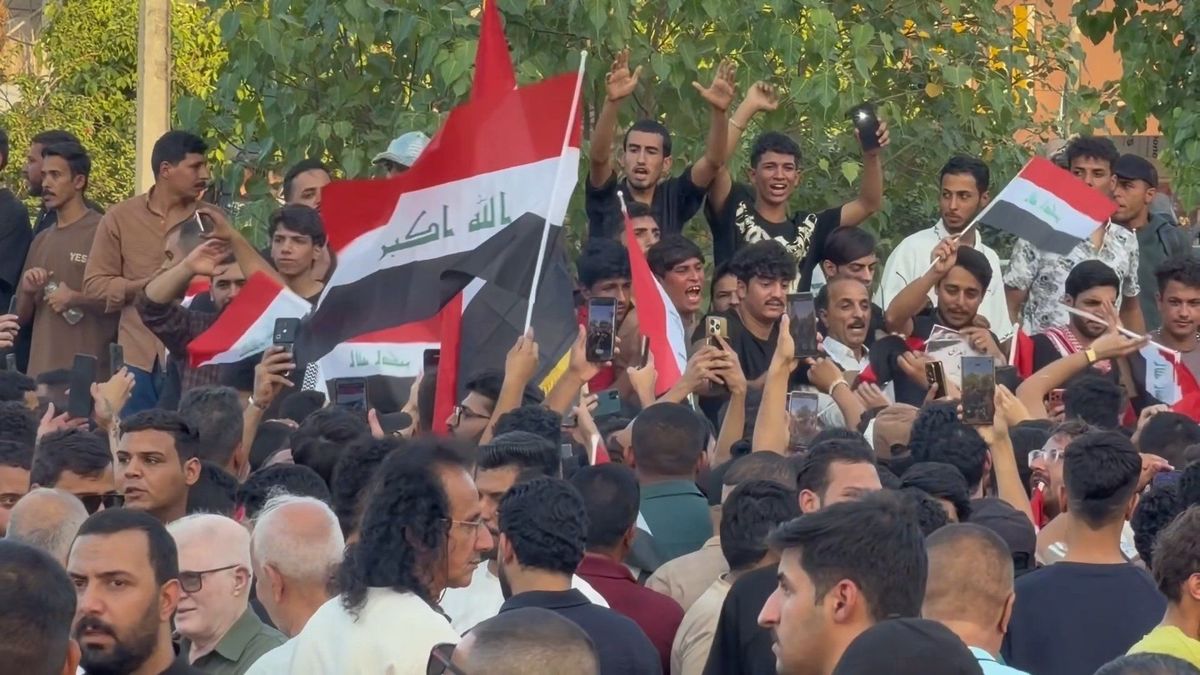
On October 25, 2026, thousands of Iraqis converged on Baghdad's iconic Tahrir Square to commemorate the seventh anniversary of the 2019 'Tishreen' protests. This gathering served as a stark reminder of the unfulfilled promises made to a populace demanding fundamental change. Demonstrators reiterated their core grievances: an end to endemic corruption, justice for the hundreds of activists and protestors killed by security forces and armed groups, and comprehensive government reforms to address the nation's deep-seated problems. The original Tishreen movement, a powerful, youth-led uprising, had forced the resignation of then-Prime Minister Adil Abdul-Mahdi, but its broader objectives for a truly representative and accountable government largely remain unmet.
Iraq's political landscape is a complex web of sectarian power-sharing, external influence, and entrenched patronage networks, all of which conspire to resist genuine reform. The system, often referred to as *muhasasa*, allocates government positions and resources based on ethno-sectarian quotas rather than merit, fostering a deeply corrupt environment. This structure ensures that political parties and their associated militias maintain control over state institutions and economic lifelines, effectively creating a parallel state.
Iraq's economy is overwhelmingly dependent on oil revenues, which account for over 90% of government income. This creates a classic rentier state model where the government derives its legitimacy not from taxation or public service, but from distributing oil wealth. This wealth is then siphoned off through corrupt contracts, ghost employees, and illicit dealings, enriching a political elite and their cronies. The vast sums of money flowing into the state coffers become a primary incentive for factions to cling to power, as it guarantees access to a virtually endless stream of resources to distribute among their loyalists, further entrenching the patronage system.
Beyond internal dynamics, Iraq's sovereignty is heavily contested by external actors. Iran exerts significant influence through a network of powerful Shiite militias, many of which are integrated into Iraq's official security apparatus (the Popular Mobilization Forces or PMF) but maintain distinct loyalties. These militias operate outside direct government control, engaging in their own economic activities, smuggling, and even political assassinations, effectively creating a state within a state. Their existence provides a powerful deterrent against any government attempting to genuinely challenge the corrupt status quo, as they can mobilize significant force to protect their interests. While US influence has waned since the 2003 invasion, it still plays a role, particularly in security assistance, often navigating a delicate balance between supporting the Iraqi state and not alienating powerful, Iranian-backed factions.
For Iraq's political class, the demands of the Tishreen protestors represent an existential threat. Genuine anti-corruption measures would dismantle the very foundations of their power and wealth. Accountability for past violence would expose their complicity and potentially lead to prosecution. Therefore, successive governments, while often paying lip service to reform, have consistently resisted substantive changes. They employ a range of tactics, from co-opting protest leaders to using force, and from passing cosmetic legislation to simply outwaiting the protest movements. The resignation of Adil Abdul-Mahdi in 2019 was a tactical concession, a sacrifice of one figure to preserve the broader system, rather than a genuine shift in power dynamics.
The enduring political paralysis and systemic corruption in Iraq extract a devastating toll on its ordinary citizens, who are the ultimate bearers of the consequences of decisions made by powerful actors.
The most immediate and tragic human cost of the Tishreen protests was the loss of life. Hundreds of young Iraqis were killed, and thousands more injured, by security forces and unidentified armed groups during the 2019 demonstrations. Seven years later, there has been virtually no accountability for these killings. The families of the victims continue to grieve without justice, fostering a deep sense of betrayal and despair among the population. This lack of accountability sends a chilling message: dissent can be met with lethal force, and perpetrators will face no consequences, thereby stifling future civic engagement and eroding faith in the rule of law.
Despite being one of the world's largest oil producers, Iraq suffers from chronic underdevelopment and widespread poverty. The billions of dollars lost to corruption annually could otherwise fund essential public services, infrastructure, and job creation. Instead, young Iraqis face staggering unemployment rates, often exceeding 25-30%, even among university graduates. Basic services like reliable electricity, clean water, and adequate healthcare remain luxuries for many. The lack of economic opportunity forces many into precarious informal labor, or worse, into the ranks of armed groups, further perpetuating cycles of violence and instability. For a generation that has known little but conflict and corruption, the future feels increasingly bleak, leading to a significant brain drain as educated youth seek opportunities abroad.
The repeated failure of the government to address fundamental grievances has led to a profound erosion of trust between the state and its citizens. Public institutions, including the judiciary and parliament, are widely perceived as corrupt and beholden to political factions rather than serving the public interest. This breakdown of trust undermines social cohesion, making it difficult to build a unified national identity or foster collective action for positive change. The constant struggle for resources and power among elites trickles down, exacerbating sectarian divisions and hindering any attempt at national reconciliation.
While official narratives often focus on external threats or the complexities of a nascent democracy, several critical aspects of Iraq's predicament are consistently downplayed or omitted by powerful actors, both domestic and international.
Governments and international bodies often speak of
The Tishreen protests were a series of widespread, youth-led demonstrations that began in Iraq in October 2019. Protesters demanded an end to corruption, improved public services, job creation, and accountability for government officials, leading to the resignation of then-Prime Minister Adil Abdul-Mahdi.
Iraqis are still protesting because the core demands of the 2019 Tishreen movement remain largely unaddressed. Systemic corruption persists, justice for those killed during the protests has not been served, and fundamental government reforms needed to improve living conditions and create opportunities have not been implemented.
Corruption is deeply embedded in Iraq's political system, particularly through the *muhasasa* (quota-based) power-sharing system. It allows political factions to control state resources, enrich themselves, and maintain loyalty through patronage, hindering effective governance and economic development.
Editor's Note: Analysis draws on established geopolitical patterns in Iraq, including the muhasasa system, militia influence, and rentier state dynamics, to contextualize the persistent nature of the Tishreen demands.
Source referenced: ALJAZEERA
This brief was synthesized by our Editorial Engine and reviewed by The Ground Narrative team.