TRENDING

Sunday, 25 October 2026
----------------------
14 Jumada Al-Awwal 1448 AH
A deadly attack on a Greek Orthodox church in southern Jordan during a funeral has left nine dead and dozens wounded, challenging the kingdom's image of stability and unity. This incident exposes the persistent threat of extremism and the complex regional pressures Jordan faces.
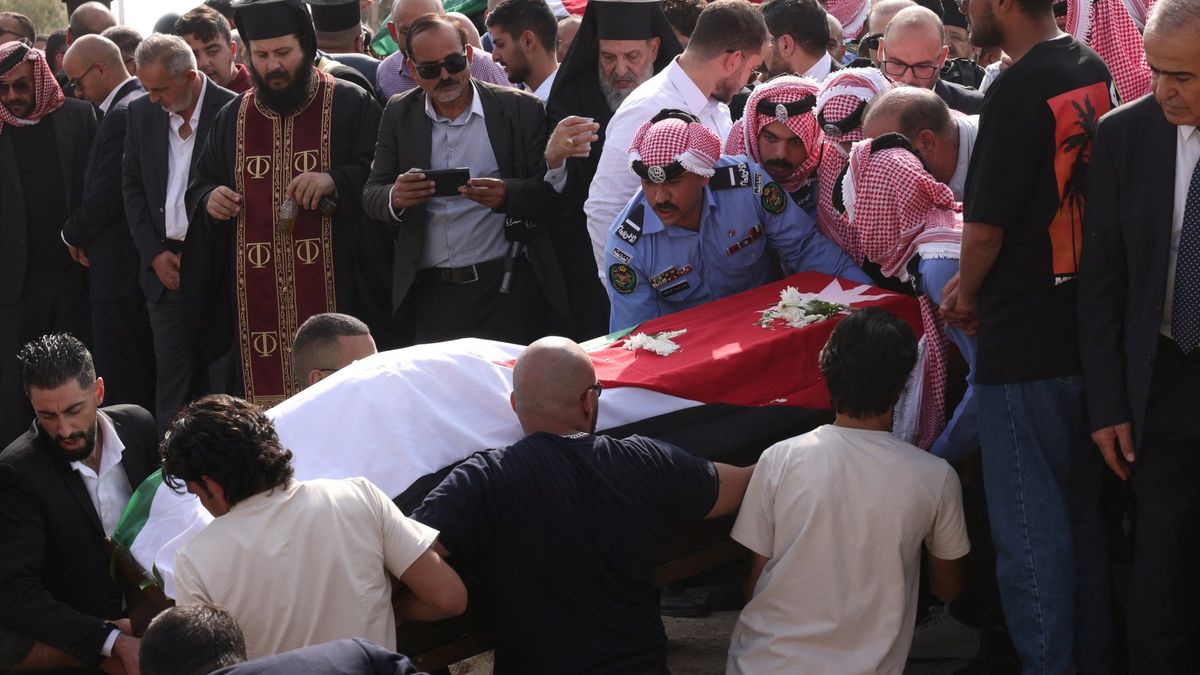
On a solemn Friday, a funeral gathering at St George’s Greek Orthodox Church in Hamoud, a village in Jordan's Karak province, was shattered by a deadly attack. Assailants opened fire, killing nine people and wounding dozens more. The victims included both Christians and Muslims who had gathered to mourn. The incident prompted King Abdullah II to pledge a firm response, while Prime Minister Jafar Hassan attended the mass funerals, as the nation observed three days of mourning.
Jordan has long cultivated an image as an oasis of stability in a region perpetually in flux. This attack, targeting a sacred space and a minority community, strikes at the very core of that carefully constructed narrative and the legitimacy of the Hashemite monarchy. The immediate and high-profile response from King Abdullah II and Prime Minister Hassan underscores the gravity of the threat this incident poses to internal cohesion and the kingdom's international standing.
The Hashemite monarchy derives significant legitimacy from its role as a protector of all faiths within Jordan, and particularly as a guardian of Christian holy sites in the Middle East. An attack on a church, especially one that claims the lives of both Christian and Muslim citizens, directly undermines this foundational pillar of royal authority. The King's swift condemnation and promise of a
As of the immediate aftermath, Jordanian authorities described the incident as 'extremist terrorism' but had not established a connection to any specific armed group, and no organization had claimed responsibility for the attack.
The attack is significant because Jordan is often seen as a stable country in a volatile region, and this incident challenges that image. It also targets the country's Christian minority and strikes at the heart of the monarchy's legitimacy as a protector of all faiths, threatening national unity.
The human cost includes the immediate loss of life and injuries, the trauma inflicted on survivors and witnesses, and a heightened sense of fear and insecurity among the Christian minority. It also threatens to erode social cohesion across Jordanian society and can have negative economic impacts, particularly on tourism.
Source referenced: ALJAZEERA
This brief was synthesized by our Editorial Engine and reviewed by The Ground Narrative team.