TRENDING

Sunday, 25 October 2026
----------------------
14 Jumada Al-Awwal 1448 AH
Washington has drafted multiple options to resume attacks on Iran as the midterm elections loom. The calculations behind those plans expose a clash of political survival, regional power games, and ordinary lives caught in the crossfire.
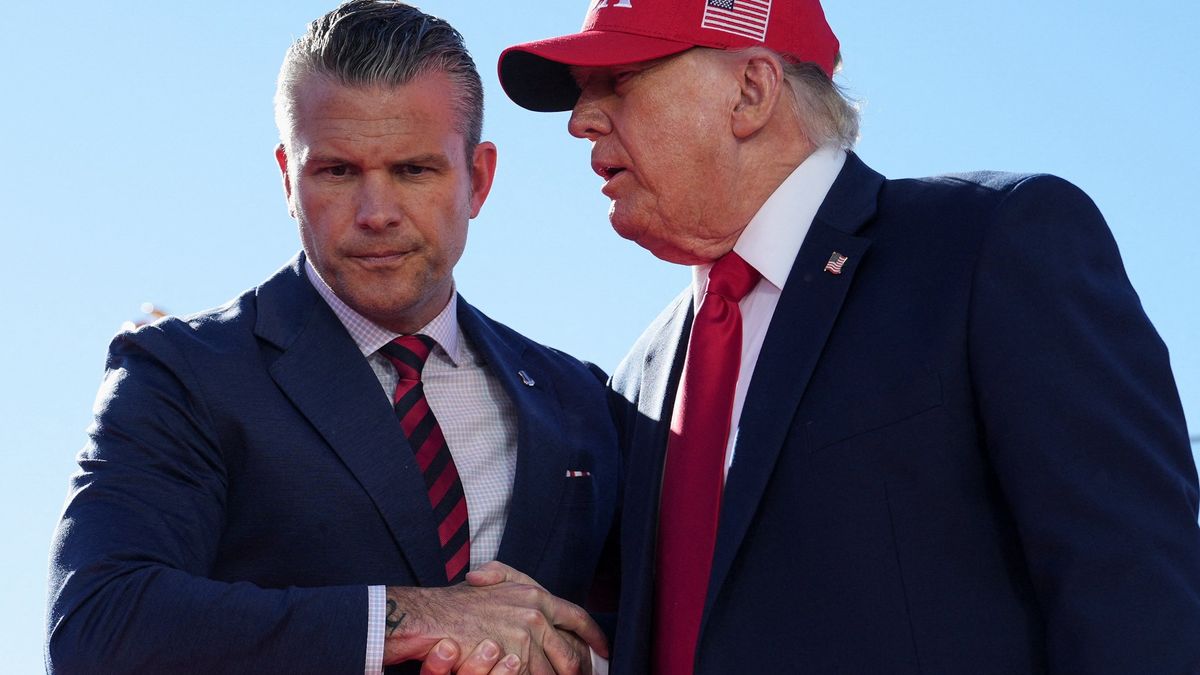
The Pentagon’s Central Command (CENTCOM) has finished drafting several strike options against Iran, according to reporting by *The Hill* and other outlets. The plans, which range from targeting energy facilities to nuclear sites, sit on a decision‑making table that only Donald Trump can sign off. Meanwhile, Iran’s Revolutionary Guard claims to have downed a U.S. drone and warns of an “offensive” doctrine that could broaden any future clash.
The calculus driving the draft operations is a tangle of domestic politics, alliance obligations, and strategic incentives. In Washington, United States officials are juggling a post‑midterm election environment where a hard‑line stance on Iran can rally the party base while also risking a costly escalation. Defense Secretary Pete Hegseth has been briefed on multiple scenarios, reflecting the Pentagon’s desire to keep options open and signal resolve to both allies and adversaries.
Israel’s prime minister, Benjamin Netanyahu, has pressed the United States for a renewed campaign, hoping a decisive blow will shore up his waning domestic support. The joint U.S.–Israeli war‑game, codenamed “Epic Fury,” underscores how the two militaries coordinate targeting of Iranian infrastructure, especially oil‑related assets that affect global markets.
On the Iranian side, the Islamic Revolutionary Guard Corps has shifted from a purely defensive posture to an “offensive” doctrine, promising retaliation not only against direct attackers but also against states that host U.S. bases. This change expands Tehran’s target list to include undersea cables and regional partners, raising the stakes for Gulf states that rely on U.S. security guarantees.
Economic levers also play a role. The Strait of Hormuz remains a chokepoint for world oil, and attacks on tankers have already spiked in October, the worst month since the February war began. A renewed strike could further disrupt shipments, pressuring oil prices upward and benefiting certain energy‑linked corporations while threatening the broader global economy.
The surge in attacks on oil tankers has already claimed lives and damaged vessels, leaving crews stranded in hostile waters. Fishermen and port workers in Oman, the United Arab Emirates, and Saudi Arabia face heightened danger as naval assets from both sides increase their presence. Any escalation could shut down the Strait of Hormuz, choking the flow of crude that fuels daily life across continents.
Targeting energy facilities and nuclear sites would likely cause collateral damage in densely populated regions of Iran. Past strikes have sparked fires, air pollution, and displacement of families living near power plants. Hospitals, already strained by sanctions, would struggle to cope with a sudden influx of casualties.
Deploying an additional aircraft carrier strike group, the USS Theodore Roosevelt, along with roughly 10,000 troops, puts thousands of American sailors and Marines at direct risk. The downed LUCAS drone over Bandar Abbas illustrates how quickly a routine patrol can become a lethal encounter.
Countries that host U.S. bases—such as Qatar, Bahrain, and the United Arab Emirates—could become secondary targets under Iran’s expanded doctrine. Civilians in these nations may experience air‑raid alerts, economic disruption, and a surge in anti‑foreign sentiment, compounding the humanitarian toll of a broader conflict.
While public statements focus on deterrence, defense contractors stand to gain billions from a renewed campaign. The procurement of precision‑guided munitions, naval vessels, and intelligence platforms is already reflected in upcoming budget requests, creating a financial incentive for the military establishment to keep the option alive.
Tehran’s leadership frames the U.S. draft as a betrayal of ongoing negotiations, labeling American officials “cowards.” This rhetoric serves to consolidate internal support, divert attention from domestic economic hardships, and justify a crackdown on dissent under the guise of national defense.
U.S. media outlets often echo the administration’s ambiguous language—talking about “options” and “posturing”—without probing the underlying cost‑benefit analysis. The focus on high‑level statements masks the fact that many congressional members are lobbying for increased defense spending, while ordinary voters receive limited context about the potential fallout.
The State Department’s recent staffing reductions at regional embassies signal a deprioritization of diplomatic engagement. By scaling back on‑the‑ground diplomatic capacity, the United States reduces its ability to de‑escalate through back‑channel talks, making a military path more likely.
The next few weeks will reveal whether midterm elections become a catalyst for action or a brake on escalation. Key indicators include the timing of the third carrier strike group’s arrival, any public statements from Israel about joint operations, and movements of Iranian naval forces in the Gulf.
Oil market analysts will monitor price spikes that could pressure policymakers toward a quick resolution—or, conversely, embolden hawkish factions that profit from higher energy revenues. Regional allies such as Saudi Arabia and the United Arab Emirates will also signal their stance through diplomatic communiqués and military posturing.
Finally, the fate of the ongoing negotiations over Iran’s nuclear program will hinge on whether either side perceives a strike as a lever that can force concessions, or as a step that would irrevocably shut down diplomatic avenues. Observers should track any shifts in language from the International Atomic Energy Agency and the European Union, as well as any clandestine back‑channel contacts that may emerge in the shadow of the looming decision.
Planners have outlined attacks on Iranian energy infrastructure, key nuclear facilities, and command‑and‑control nodes. Each option varies in scale, from limited precision strikes to broader campaigns involving naval and air assets.
Any disruption to the Strait of Hormuz would tighten global oil supplies, likely pushing prices higher. Higher prices can strain economies worldwide and may also be used by policymakers as leverage in negotiations.
Source referenced: ALJAZEERA
This brief was synthesized by our Editorial Engine and reviewed by The Ground Narrative team.