TRENDING

Sunday, 25 October 2026
----------------------
14 Jumada Al-Awwal 1448 AH
Mexico stands as a critical node in global supply chains, deeply integrated with Asia-Pacific economies through its long-standing APEC membership. Its manufacturing and agricultural sectors are increasingly intertwined with major trading partners across the Pacific.
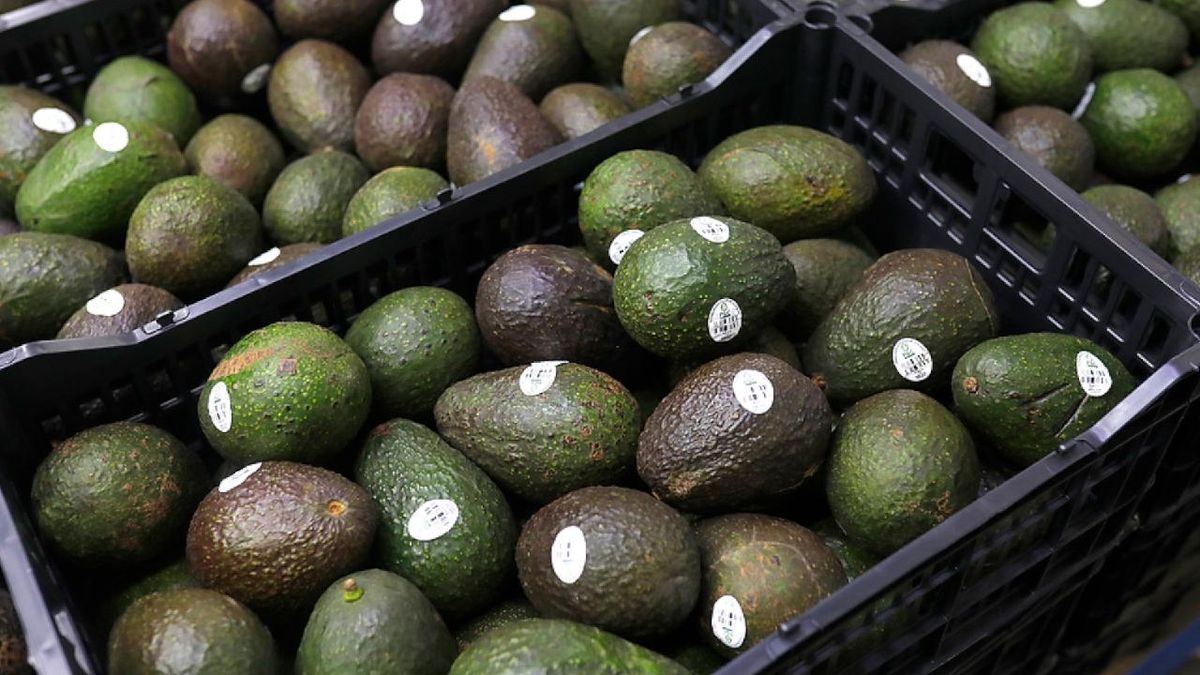
Mexico, a member of the Asia-Pacific Economic Cooperation (APEC) forum since 1993, has solidified its position as a pivotal player in the global supply chain, particularly linking North America with the Asia-Pacific region. Its manufacturing sector, spanning from auto parts to finished vehicles, is intricately connected to economies like the United States, Canada, China, Japan, and South Korea. This integration extends beyond industrial goods to agricultural exports, such as avocados, underscoring Mexico's role as a key component in regional supply networks that traverse the Pacific Ocean.
Mexico's strategic geographic location, bridging the North American continent with the Pacific, is its primary source of leverage in global trade. This position, combined with its membership in APEC and the United States-Mexico-Canada Agreement (USMCA), creates a unique economic corridor that powerful actors are keen to exploit.
The concept of "nearshoring" has become a dominant force shaping Mexico's economic trajectory. As global corporations, particularly those based in the United States and Asia, seek to diversify and de-risk their supply chains away from an over-reliance on China, Mexico offers an attractive alternative. Its direct land border with the US significantly reduces logistical costs and transit times compared to Asian manufacturing hubs. This has led to a surge in foreign direct investment, especially in sectors like automotive, electronics, and aerospace, as companies look to establish production facilities closer to their end markets in North America. The incentive for these corporations is clear: greater supply chain resilience, reduced geopolitical risk, and often, lower labor costs than their home countries.
The USMCA, the successor to NAFTA, solidifies Mexico's integration into the North American market. It provides preferential access to the vast consumer bases of the United States and Canada, making Mexico an ideal export platform. For Asian manufacturers, investing in Mexico allows them to bypass potential tariffs or trade barriers imposed on goods directly from Asia, effectively leveraging Mexico's trade agreements. This creates a complex web where Japanese, South Korean, and increasingly, Chinese companies establish operations in Mexico to serve the North American market, blurring the lines of origin and benefiting from Mexico's established trade architecture.
China's relationship with Mexico is multifaceted. On one hand, China is a major trading partner, supplying intermediate goods and components essential for Mexico's manufacturing sector. On the other hand, China is a competitor, both for foreign investment and in certain export markets. However, the prevailing trend sees Chinese companies increasingly investing directly in Mexico, often to circumvent US tariffs on Chinese-made goods. This strategy allows Chinese firms to maintain access to the North American market by establishing assembly or finishing operations in Mexico, effectively using Mexico as a manufacturing bridge. This dynamic highlights the pragmatic approach of global capital, which prioritizes market access and cost efficiency above geopolitical alignments.
Japan and South Korea have long been significant investors in Mexico, particularly in the automotive industry. Their advanced manufacturing techniques and technological expertise have been instrumental in developing Mexico's industrial capacity. For these nations, Mexico offers a stable production base with a skilled workforce and reliable access to the North American market, complementing their existing global manufacturing footprints. Their deep engagement in Mexico's economy reflects a long-term strategic calculation to diversify production and enhance global competitiveness.
Domestically, Mexico's government benefits from the economic growth spurred by foreign investment and export-oriented industries. These activities generate employment, tax revenues, and contribute to GDP growth, which are crucial for political stability and social programs. However, the government also faces the challenge of balancing economic development with social equity and environmental protection. The need to attract and retain foreign investment often places pressure on regulatory frameworks, creating a delicate equilibrium between fostering growth and safeguarding national interests.
While Mexico's integration into global supply chains brings undeniable economic growth, the benefits are rarely distributed equally. The human cost is often borne by the most vulnerable segments of the population and the environment, often obscured by official narratives of progress and development.
For the millions of Mexicans working in the burgeoning manufacturing sector, particularly in the *maquiladoras* (assembly plants) along the US border, the promise of stable employment often comes with significant trade-offs. Wages, while potentially higher than in other informal sectors, remain relatively low by international standards, a key factor in attracting foreign investment. Labor rights and unionization efforts are frequently suppressed or undermined to maintain competitive labor costs. Workers often face long hours, demanding production quotas, and sometimes hazardous working conditions. The economic benefits of these industries often flow upwards, leaving many workers struggling to make ends meet in rapidly urbanizing industrial zones where the cost of living can be high.
The rapid expansion of industrial zones and large-scale commercial agriculture places immense pressure on Mexico's natural resources and environment. Factories generate pollution, impacting air and water quality in surrounding communities. The intensive cultivation of export crops like avocados, while economically lucrative, can lead to deforestation, soil depletion, and significant water consumption, often diverting scarce resources from local communities and traditional farming practices. The long-term environmental consequences, including biodiversity loss and climate change impacts, directly affect the health and livelihoods of local populations, particularly indigenous communities who rely on natural resources.
The allure of industrial jobs drives internal migration from rural areas to urban centers, leading to rapid, often unplanned, urbanization. This can strain public services, housing, and infrastructure, creating informal settlements and exacerbating social inequalities. While some regions and segments of the population benefit significantly from the economic boom, others are left behind, widening the gap between the rich and the poor. The focus on export-oriented industries can also neglect the development of robust domestic markets and local economies, making Mexico's prosperity highly dependent on external demand and global economic fluctuations.
Behind the headlines celebrating Mexico's economic integration and
Source referenced: CGTN
This brief was synthesized by our Editorial Engine and reviewed by The Ground Narrative team.