TRENDING

Sunday, 25 October 2026
----------------------
14 Jumada Al-Awwal 1448 AH
New Zealand's economy is deeply intertwined with its Asia-Pacific neighbors, with over 70% of its exports flowing to APEC economies. This reliance places the small nation in a delicate balancing act between major global powers.
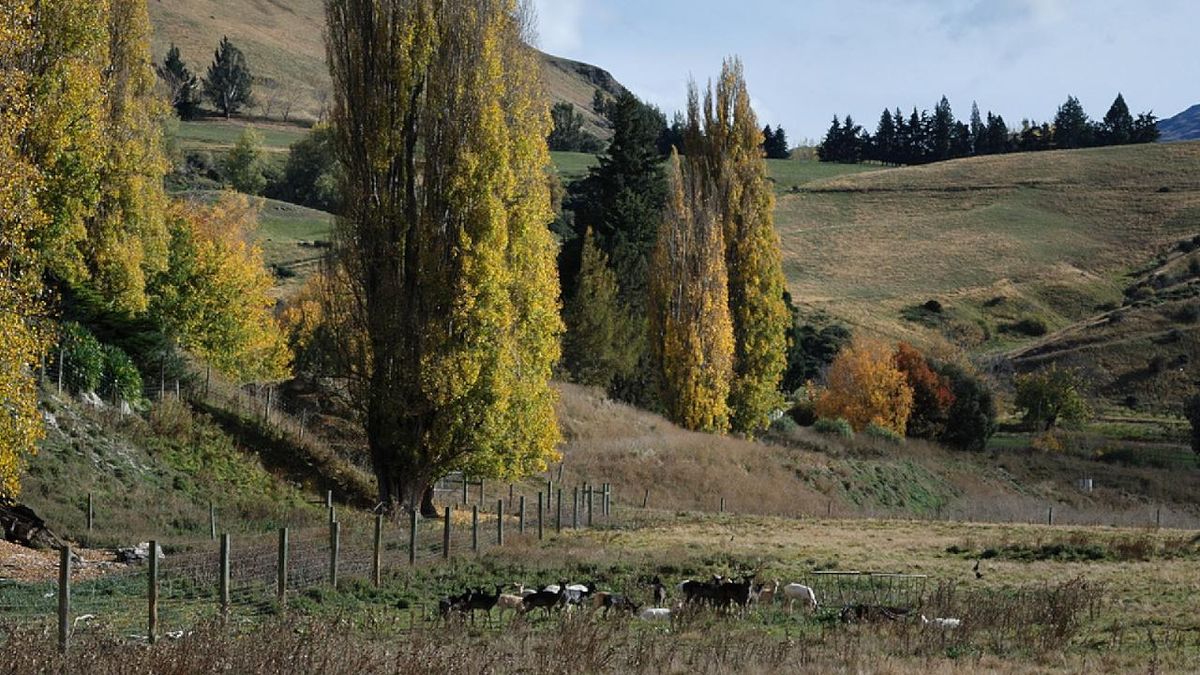
New Zealand, a nation celebrated for its pristine landscapes and agricultural prowess, directs over 70% of its exports to fellow APEC economies. This significant trade dependency underscores its deep integration into the Asia-Pacific region's economic fabric. In 2025, China, Australia, and the United States emerged as its three largest goods export markets, according to WTO data. The country's primary exports, ranging from high-quality milk powder to kiwifruit, travel extensively across these key markets, highlighting a concentrated economic reliance on a few powerful trading partners.
New Zealand's economic structure, heavily skewed towards primary product exports, inherently dictates its foreign policy and geopolitical maneuvering. As a small, open economy, its prosperity is inextricably linked to stable and accessible international markets. This dependence creates a unique set of power dynamics, forcing Wellington to navigate a complex web of economic opportunities and geopolitical alignments.
China's insatiable demand for agricultural products, driven by its vast and growing middle class, has transformed it into New Zealand's single largest trading partner. This economic gravity provides Beijing with considerable leverage. For New Zealand, access to the Chinese market is not just a matter of profit but a fundamental pillar of its economic stability. This relationship has deepened through various free trade agreements, making New Zealand one of the first developed nations to sign such a pact with China. While ostensibly mutually beneficial, this deep economic integration can subtly influence New Zealand's diplomatic posture, particularly on issues where Chinese interests diverge from those of its traditional Western allies. The sheer scale of China's economic power means that even minor disruptions, such as non-tariff barriers or sudden policy shifts, can have profound effects on New Zealand's export sectors.
In contrast to its economic ties with China, New Zealand's relationships with Australia and the United States are primarily rooted in historical alliances, shared democratic values, and security cooperation. Australia, its closest neighbor, is a natural and robust trading partner, but more importantly, a key strategic ally within the Five Eyes intelligence-sharing network. The United States, while a smaller direct export market than China, remains the linchpin of the broader Western security architecture that New Zealand is a part of. This dual relationship – economic dependence on China and security alignment with the US and Australia – creates a constant strategic tension. New Zealand benefits from the security umbrella provided by its Western partners, yet its economic lifeline runs directly through China. This necessitates a delicate balancing act, where Wellington often emphasizes its independent foreign policy while quietly managing the expectations and pressures from both sides. The power dynamic is one of a smaller state attempting to maximize economic gain while preserving strategic autonomy in an increasingly polarized world.
The Asia-Pacific Economic Cooperation (APEC) forum, which facilitates over 70% of New Zealand's exports, serves as more than just a trade bloc. It is a crucial diplomatic arena where these power dynamics play out. For New Zealand, APEC offers a platform to advocate for open trade and multilateralism, which are vital for its export-oriented economy. However, it also places Wellington in direct proximity to the strategic competition between the US and China. While APEC's stated goal is economic cooperation, its meetings often become subtle battlegrounds for influence, with larger powers vying for allegiance and shaping regional norms. New Zealand's participation is thus a constant negotiation of economic interests against geopolitical realities, where the principles of free trade are often overshadowed by the strategic maneuvering of global giants.
While the macro-level trade figures paint a picture of economic success for New Zealand, the human cost of its concentrated trade dependency and geopolitical balancing act is often borne by specific communities and individuals, whose livelihoods are directly exposed to global shifts.
At the forefront of this cost are New Zealand's farmers and primary producers. The dairy and kiwifruit industries, for instance, are highly specialized and heavily invested in meeting the demands of their major export markets, particularly China. A significant portion of their income, and thus their ability to invest, expand, or even sustain their operations, hinges on uninterrupted access to these markets. Any diplomatic spat, trade dispute, or sudden shift in import regulations by China can send shockwaves through these communities. Farmers face the constant anxiety of potential market closures or punitive tariffs, which can decimate years of investment and effort. This vulnerability extends beyond just profit margins; it affects land values, rural employment, and the overall economic health of regions heavily reliant on agriculture. The pressure to maintain market access can also lead to intense competition and consolidation within these industries, potentially squeezing out smaller, independent producers.
The human cost also manifests in the subtle erosion of national sovereignty and the choices available to New Zealand's policymakers. When a nation's economic well-being is so deeply tied to a single major power, the ability to take independent stances on human rights, environmental issues, or security matters can become compromised. While New Zealand prides itself on an independent foreign policy, the economic reality often dictates a more cautious approach, particularly when criticizing Beijing. This can lead to a sense of frustration among citizens who wish for their government to take a stronger moral stand, but understand the economic repercussions. For the average New Zealander, this translates into a quiet compromise: the economic benefits of trade with China are undeniable, but they come with the implicit understanding that certain lines in international diplomacy might be difficult to cross. This trade-off between economic prosperity and unbridled diplomatic freedom is a profound, albeit often unquantified, human cost.
Māori communities, who are significant stakeholders in New Zealand's primary industries through land ownership, aquaculture, and forestry, also bear a unique set of costs and opportunities. Their economic development is often tied to the success of export markets. While trade provides avenues for economic self-determination and cultural exchange through exports, it also exposes them to the same vulnerabilities as other producers. Furthermore, discussions around trade agreements and geopolitical alignments sometimes overlook the specific aspirations and concerns of Māori businesses and communities, who seek to leverage global markets in ways that align with their cultural values and long-term sustainability goals. Their future prosperity is directly linked to Wellington's ability to navigate these complex trade relationships without sacrificing ethical considerations or long-term environmental stewardship.
In the official narratives put forth by governments and international bodies, the complexities of New Zealand's trade relationships are often simplified, downplaying the inherent tensions and the strategic implications of its economic dependencies.
What governments often omit or downplay is the constant, silent tug-of-war that defines New Zealand's foreign policy. Wellington frequently articulates its commitment to a
APEC is crucial for New Zealand because over 70% of its exports go to member economies. This forum facilitates trade and economic cooperation, providing vital market access for New Zealand's agricultural and primary products.
New Zealand navigates this by emphasizing its independent foreign policy while maintaining strong economic ties with China and robust security alliances with the US and Australia. It seeks to maximize economic benefits while preserving its strategic autonomy, often through cautious diplomacy.
The human costs include the vulnerability of farmers and export sector workers to market fluctuations, potential compromises on national sovereignty in diplomatic stances, and environmental strains from intensive agricultural production to meet export demands.
Source referenced: CGTN
This brief was synthesized by our Editorial Engine and reviewed by The Ground Narrative team.