TRENDING

Monday, 5 October 2026
----------------------
24 Rabi' Al-Thani 1448 AH
The Vatican's excommunication of four SSPX bishops and their followers marks a significant escalation in the long-standing tensions between the Catholic Church and the ultratraditionalist group.
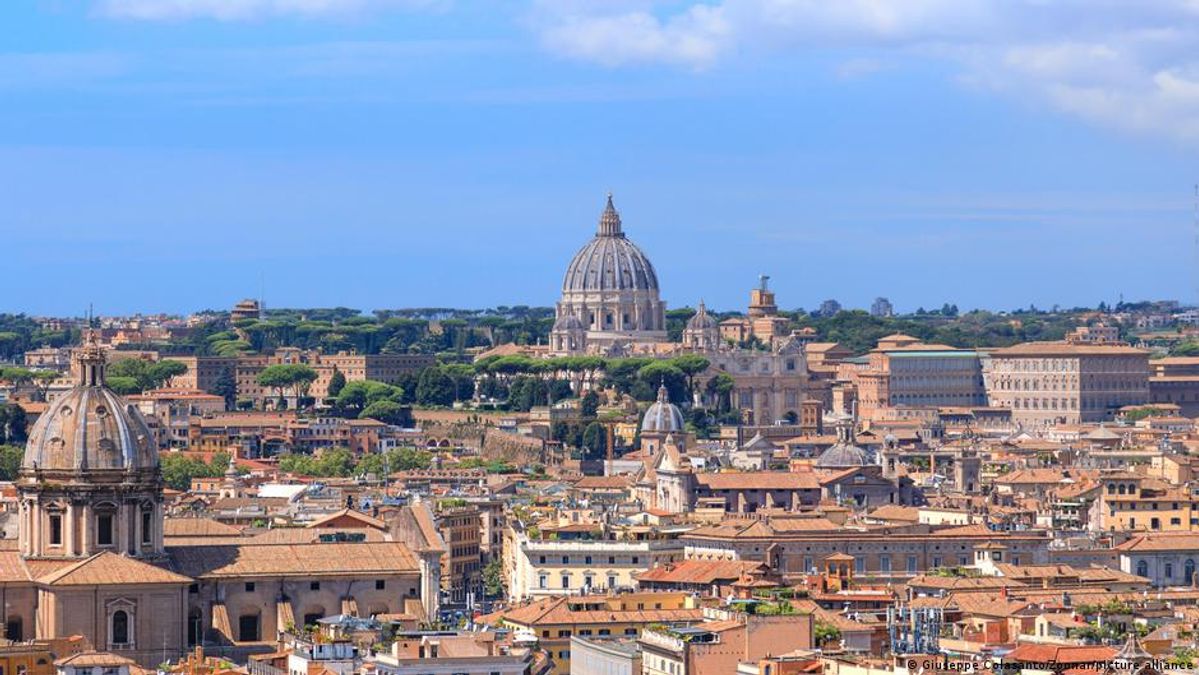
The Society of Saint Pius X (SSPX), an ultratraditionalist Catholic group, has been at odds with the Vatican since its founding in 1970. The group's opposition to the reforms introduced by the Second Vatican Council in the 1960s, including the use of languages other than Latin in masses and ecumenism with other Christian denominations, has led to a deepening rift between the SSPX and the Catholic Church.
On Wednesday, the SSPX ordained four bishops at a ceremony in Econe, Switzerland, despite a request from Pope Leo XIV not to do so. This act of defiance has been deemed a 'schismatic act' by the Catholic Church, as only the pope has the authority to authorize the consecration of new bishops.
The Vatican's Congregation for the Doctrine of the Faith has imposed severe penalties on the SSPX, including the excommunication of the four newly consecrated bishops, two other bishops, and all formal followers of the group. This move annuls the concessions granted by the Vatican in the past to bring the SSPX back into the official Catholic fold.
The excommunication of the SSPX bishops has significant regional implications, particularly in Europe, where the group has a strong following. The move is likely to further polarize the Catholic Church and may lead to a schism, with the SSPX potentially forming its own separate church.
The consequences of the Vatican's excommunication of the SSPX bishops will be far-reaching. The group's followers may be forced to choose between remaining loyal to the SSPX or returning to the Catholic Church. This could lead to a significant loss of membership and influence for the SSPX, as well as a potential rift within the Catholic Church.
The Vatican's decision to excommunicate the SSPX bishops is likely motivated by a desire to maintain the unity and authority of the Catholic Church. The move is also a response to the SSPX's continued defiance of the Vatican's authority and its refusal to accept the reforms introduced by the Second Vatican Council.
The tensions between the SSPX and the Catholic Church have a long history, dating back to the 1960s. The SSPX's opposition to the reforms introduced by the Second Vatican Council has led to a deepening rift between the two groups, with the SSPX eventually breaking away from the Catholic Church in 1970.
Editor's Note: The analysis is based on publicly available information and may not reflect the full complexity of the situation.
Source referenced: DW
This brief was synthesized by our Editorial Engine and reviewed by The Ground Narrative team.


