TRENDING

Saturday, 3 October 2026
----------------------
22 Rabi' Al-Thani 1448 AH
The Trump administration's recent national security directives on drones, cyberwarfare, and shipbuilding mark a significant shift in the global balance of power. As the US seeks to counter Chinese dominance in drone technology and expand its cyberwarfare capabilities, the human cost of these moves remains largely unseen. From the Baltic states to the Strait of Hormuz, the world is witnessing a new era of proxy wars and technological battles that will shape the future of global politics.
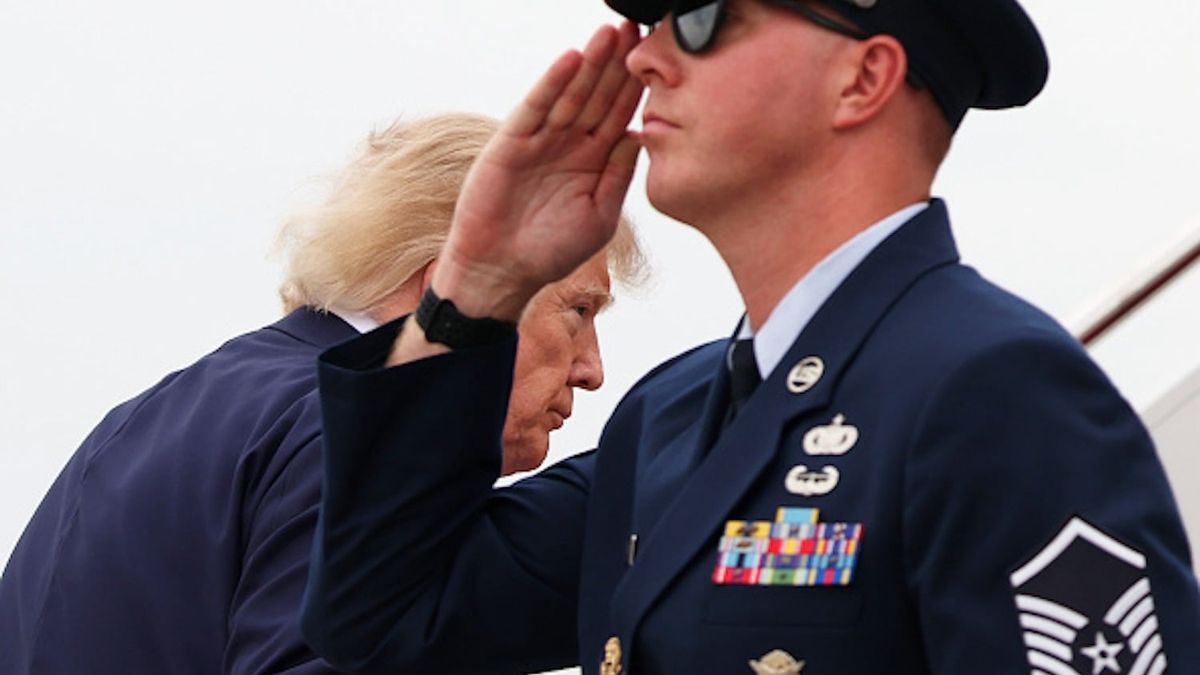
The Trump administration has unveiled a series of national security directives aimed at bolstering the US's position in the global balance of power. The moves include aggressive tariffs on drones, measures to partner with private companies for cyberattacks and surveillance, and changes to Navy policy. These directives are widely seen as an attempt to counter Chinese dominance in drone technology and expand the US's cyberwarfare capabilities.
The Trump administration's moves are driven by a desire to maintain US dominance in the global arena. The tariffs on drones, for example, are aimed at protecting US companies and limiting the spread of Chinese drone technology. The partnership with private companies for cyberattacks and surveillance is a significant shift in the US's approach to cyberwarfare, allowing the government to outsource certain operations to the private sector. This move is likely to raise concerns about the risks of escalating global cyberwarfare and the potential for unintended consequences.
The human cost of these moves is largely unseen, but it is likely to be significant. The tariffs on drones, for example, could lead to higher prices for consumers and limit access to drone technology for certain industries. The expansion of cyberwarfare capabilities could lead to increased risks of cyberattacks on critical infrastructure, such as power grids and water systems. The people who will bear the brunt of these moves are likely to be ordinary citizens, who will face the consequences of these actions in their daily lives.
One of the untold stories behind these moves is the role of private companies in shaping the US's national security policy. The partnership with private companies for cyberattacks and surveillance is a significant development, and it raises questions about the extent to which private interests are driving the US's national security agenda. The Trump administration's moves are also likely to be driven by a desire to maintain US dominance in the global arena, and to limit the spread of Chinese influence. However, the administration is downplaying the potential risks and unintended consequences of these moves, and the human cost of these actions is likely to be significant.
As the US expands its cyberwarfare capabilities and imposes tariffs on drones, the world is likely to witness a new era of proxy wars and technological battles. The Baltic states, the Strait of Hormuz, and other regions are likely to be key fronts in these battles, and the human cost of these actions will be significant. Readers should watch for further developments in the US's national security policy, and for the potential consequences of these moves on the global balance of power. The US's relationships with other countries, particularly China and Russia, will be critical in shaping the future of global politics, and the role of private companies in shaping the US's national security policy will be an important factor to watch.
Editor's Note: The analysis is based on publicly available information and may not reflect the full complexity of the situation.
Source referenced: FOREIGNPOLICY
This brief was synthesized by our Editorial Engine and reviewed by The Ground Narrative team.