TRENDING

Tuesday, 6 October 2026
----------------------
25 Rabi' Al-Thani 1448 AH
A co‑pilot’s knife attack on a Flydubai flight sparked a dramatic rescue by the wounded captain. The episode reveals tangled regional politics, airline safety gaps, and ordinary lives caught in a geopolitical tug‑of‑war.
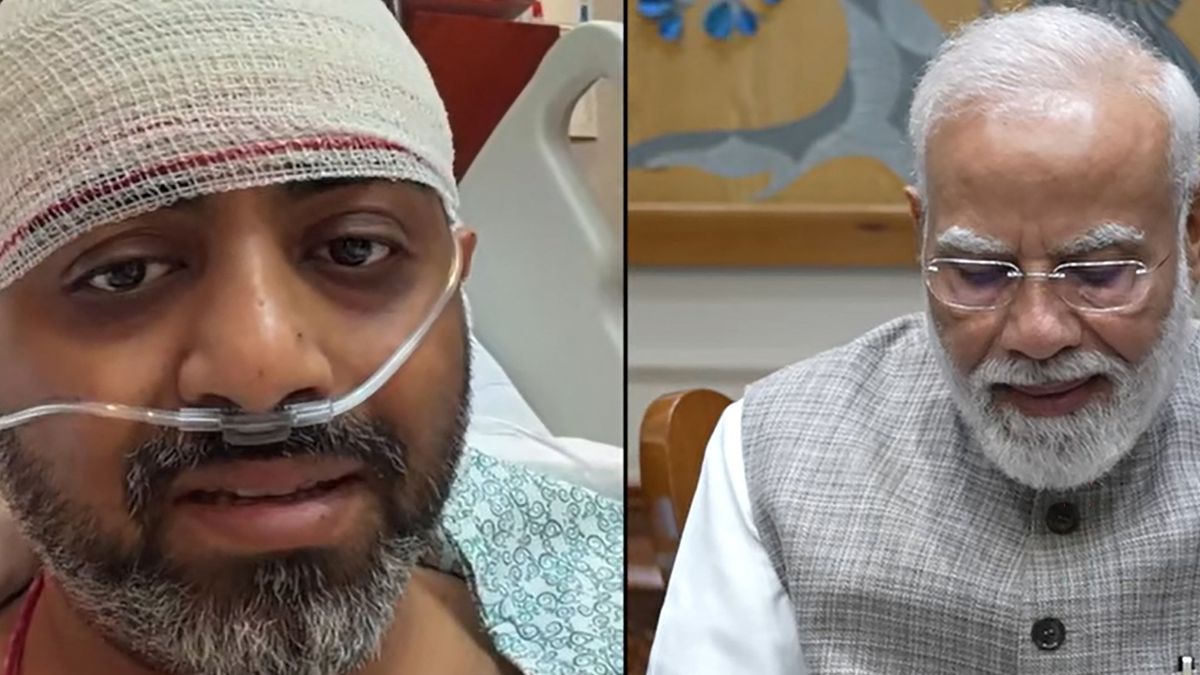
On 2 October 2026 a Flydubai flight bound for Tel Aviv descended into chaos when the co‑pilot stabbed captain Smit Machchhar in the cockpit. Despite severe bleeding, Machchhar managed to pry open the cockpit door, allowing passengers and crew to subdue the attacker and hand control to two other pilots. The aircraft, carrying 174 people, recovered from a brief plunge at 17,000 feet and landed safely in Tabuk, Saudi Arabia. The captain later recounted the ordeal in a video call with India’s Prime Minister Narendra Modi, who praised his bravery.
The incident unfolded against a backdrop of intense competition for air traffic between the UAE, Israel, and Saudi Arabia. Flydubai, a low‑cost carrier owned by the UAE government, has positioned itself as a bridge linking Gulf hubs to European and Israeli destinations. A high‑profile attack threatens that narrative, prompting officials to frame the event as an isolated act of terrorism rather than a systemic security lapse.
Modi’s public endorsement of Machchhar serves multiple domestic purposes. By highlighting an Indian pilot’s heroism, the government reinforces a nationalist image of competence and sacrifice, diverting attention from lingering concerns about diaspora safety abroad. In the UAE, presidential adviser Anwar Gargash labeled the stabbing a “terrorist act,” a phrasing that aligns with the emirate’s broader counter‑terrorism agenda and justifies a swift investigative response.
Within hours, Israeli Prime Minister Benjamin Netanyahu suggested the co‑pilot had undergone “Islamist radical indoctrination,” while former U.S. President Donald Trump warned that any Iranian link would trigger a “hard hit.” These statements illustrate how states leverage a single violent episode to advance broader narratives: Israel underscores the threat of extremist infiltration, and the United States signals willingness to confront perceived Iranian proxies.
A safety breach of this magnitude jeopardizes passenger confidence, directly affecting Flydubai’s revenue streams. The airline faces pressure from investors and regulators to tighten cockpit security protocols, a costly undertaking that may be offset by government subsidies if the incident is framed as an external terrorist act rather than internal negligence.
The most immediate victims were the 174 passengers and crew members who endured a life‑threatening plunge. Several sustained injuries from the sudden maneuver, and the psychological trauma of a hijacked cockpit will linger for months, if not years. Families of those aboard now grapple with anxiety and potential loss, while the airline must allocate resources for medical care, counseling, and compensation.
Machchhar, a 17‑year veteran, suffered multiple stab wounds, blood loss, and a broken rib. His recovery will involve prolonged medical treatment and rehabilitation, sidelining a highly experienced pilot from the workforce. The personal cost extends to his family, who now face uncertainty about his long‑term health and livelihood.
Pilots across the Gulf and South Asia are likely to demand stronger safety measures, potentially leading to strikes or labor actions that could disrupt flight schedules. Smaller carriers with limited budgets may struggle to meet heightened security standards, risking job losses or reduced service.
Tourism to Israel and the broader Middle East could dip as travelers reassess perceived safety, impacting hotels, restaurants, and ancillary services. The incident also adds pressure on the UAE’s diversification strategy, which relies heavily on aviation and tourism revenues.
Official statements have emphasized the attacker’s alleged radicalisation, but they have largely omitted a discussion of cockpit access protocols. The UAE civil aviation authority has not disclosed whether the co‑pilot passed background checks or psychological evaluations, leaving a critical gap in public accountability.
Western outlets have focused on the dramatic rescue, while regional media in Iran and Turkey have been conspicuously silent, likely due to diplomatic sensitivities. This selective coverage helps shape public perception, steering attention away from possible systemic failures within airline hiring practices.
Both Israel and the U.S. have seized the moment to reinforce their security narratives, potentially using the incident to justify increased surveillance of Gulf‑based airlines. Meanwhile, the UAE seeks to downplay any internal fault to protect its reputation as a safe hub for international travel.
- Regulatory reforms: Expect the UAE aviation authority to announce tighter cockpit security measures, possibly including armed guards or biometric verification for crew members.
- Diplomatic fallout: Watch for any formal accusations linking the co‑pilot to Iranian networks; such claims could trigger retaliatory sanctions or covert operations.
- Airline market response: Flydubai may adjust routes, pricing, or marketing to reassure passengers, while competitors could capitalize on perceived safety lapses.
- Public sentiment in India: Follow how Indian diaspora groups lobby for better protection of Indian nationals working abroad, potentially influencing bilateral labor agreements.
- Legal proceedings: The outcome of the Saudi investigation will set precedents for how Gulf states prosecute airline‑related terrorism, affecting future legal frameworks.
The incident underscores how a single act of violence can become a flashpoint for regional power plays, corporate risk management, and ordinary people’s lives caught in the crossfire.
A co‑pilot allegedly stabbed captain Smit Machchhar during a flight to Tel Aviv, prompting the wounded captain to open the cockpit door and let passengers subdue the attacker.
The UAE called it a terrorist act, India praised the captain’s bravery, Israel blamed Islamist radicalisation, and the U.S. warned of a possible Iranian link.
Airlines could tighten cockpit access protocols, introduce stricter crew background checks, and increase onboard security measures to restore passenger confidence.
Source referenced: ALJAZEERA
This brief was synthesized by our Editorial Engine and reviewed by The Ground Narrative team.


