TRENDING

Monday, 5 October 2026
----------------------
24 Rabi' Al-Thani 1448 AH
The G‑7 agreed to free 100 million barrels of diesel and crude to tame soaring pump prices. Behind the headline lies a mix of election calculus, market power, and everyday hardship.
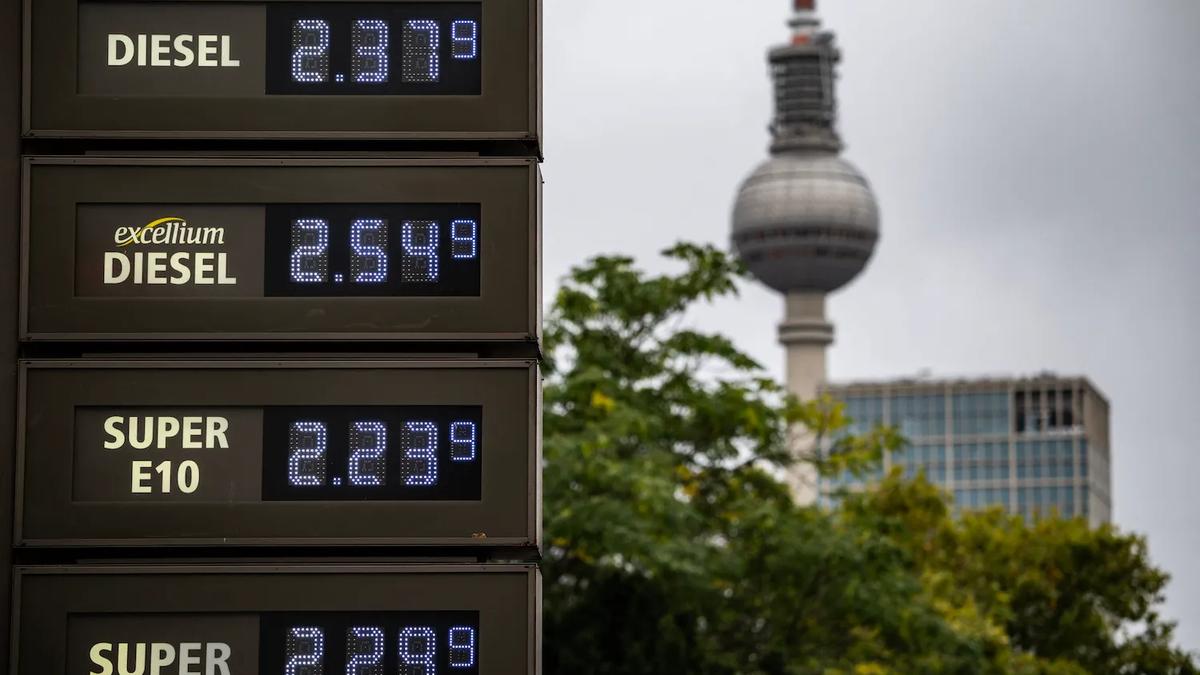
On 2 October 2026 the G‑7 announced a coordinated drawdown of 100 million barrels of diesel and crude from emergency reserves, slated for release over the next four months. The plan front‑loads a sizable diesel shipment within the first twenty days, a move framed as a rapid price‑cutting measure for consumers worldwide.
The decision sits at the intersection of three overlapping power structures. First, United States domestic politics: President Donald Trump threatened a ban on U.S. diesel exports unless European partners contributed their own stockpiles, a lever aimed at softening fuel‑price backlash ahead of the November midterms. Second, the global oil market’s supply‑demand math: Europe imports roughly 1.5 million barrels of diesel daily, half of which came from the United States in August, while China has begun curbing its own diesel shipments, tightening overall availability. Third, the institutional framework of the International Energy Agency (IEA), which the G‑7 asked to monitor the release, provides a veneer of collective stewardship that masks divergent national interests.
The G‑7’s internal calculus also reflects alliance dynamics. France and Germany, the largest European diesel consumers, faced pressure to demonstrate solidarity with Washington, lest they be painted as energy‑policy laggards. Meanwhile, oil majors such as ExxonMobil and Shell stand to profit from the volatility that follows any large‑scale release, as price swings generate trading opportunities across futures markets. The timing—just weeks before a U.S. election—suggests that the diesel drop is as much a political signal to swing voters as it is an economic intervention.
For long‑haul drivers in the United States, diesel price spikes have eroded take‑home pay, especially for independent owner‑operators who shoulder fuel costs directly. A $1‑per‑gallon rise translates into tens of thousands of dollars lost annually, forcing many to cut back on maintenance or defer health care. The promised release, if it translates into lower pump prices, could restore a thin margin that keeps these families afloat.
In Europe, diesel powers everything from commuter buses in Berlin to delivery vans in Paris. Small logistics firms operate on razor‑thin profit margins; a few cents per liter can mean the difference between staying in business or filing for bankruptcy. The release is expected to shave a few dollars off the per‑liter price, but the benefit is uneven—large retailers with fuel‑hedging contracts feel the impact less than independent operators.
Beyond the G‑7, nations in Africa and South‑East Asia rely on diesel for power generation and freight. While the release does not directly flow to these markets, the global price signal influences contracts that many developing countries have locked in. A modest dip can ease budgetary pressures for governments already juggling debt service and social spending, yet the relief is often delayed and diluted through intermediaries.
Lower diesel prices can also encourage higher consumption, counteracting climate‑reduction goals. Communities near busy highways or ports—often low‑income neighborhoods—face heightened air‑quality risks when diesel use spikes. The short‑term consumer win may mask a longer‑term health cost that disproportionately burdens the same groups the price cut is meant to help.
President Trump framed the diesel release as a triumph over the previous administration, repeatedly posting on Truth Social that “prices are coming down rapidly.” Yet the policy does not address the underlying supply‑chain bottlenecks, refinery capacity constraints, or the strategic stock‑piling that has become routine since the 2022 energy shock. The release is a tactical band‑aid, not a structural fix.
While European leaders publicly praised the joint action, the cost of drawing down their own emergency reserves falls on national budgets already stretched by pandemic recovery, defense spending, and social‑welfare demands. The G‑7 statement omits any discussion of how these withdrawals will be replenished, leaving taxpayers with a future replenishment bill.
Major oil producers stand to gain from the volatility that follows any large release. Futures traders at Shell and BP have already positioned themselves to profit from price swings, a fact rarely highlighted in official communiqués. The narrative of “consumer relief” downplays the profit motive that fuels much of the market’s response.
The G‑7’s focus on diesel—a carbon‑intensive fuel—signals a deprioritization of the green transition at a moment when the European Union is drafting stricter emissions standards. By propping up diesel demand, the coalition tacitly postpones the shift toward electrified transport, a point absent from the joint statement.
The next weeks will reveal whether the diesel drop translates into measurable pump‑price declines or simply a brief market blip. Key indicators include the IEA’s release‑monitoring reports, price data from major refineries, and any subsequent statements from the White House about extending the export ban threat. In the U.S., the midterm election outcomes will test whether the price‑cut narrative sways swing voters. In Europe, watch for budgetary debates on replenishing emergency stocks and for any policy shifts that re‑align diesel subsidies with climate goals. Finally, keep an eye on China’s export policy—its next move could either exacerbate or alleviate the global diesel balance, reshaping the power dynamics that prompted the G‑7’s intervention.
The G‑7 agreed to release 100 million barrels of diesel and crude from emergency reserves over the next four months, with a large portion front‑loaded in the first twenty days.
In theory, adding a day's worth of global demand to supply should push prices down, but the effect depends on market reactions, refinery output, and whether the release is sustained.
President Trump used the threat of a diesel export ban to pressure Europe and to create a narrative of price‑cutting success ahead of the November midterm elections.
Source referenced: FOREIGNPOLICY
This brief was synthesized by our Editorial Engine and reviewed by The Ground Narrative team.


