TRENDING

Monday, 5 October 2026
----------------------
24 Rabi' Al-Thani 1448 AH
UNDP is pushing ahead with infrastructure projects even as wars rage in Ukraine and Afghanistan. The move reshapes power dynamics while ordinary citizens bear the cost.
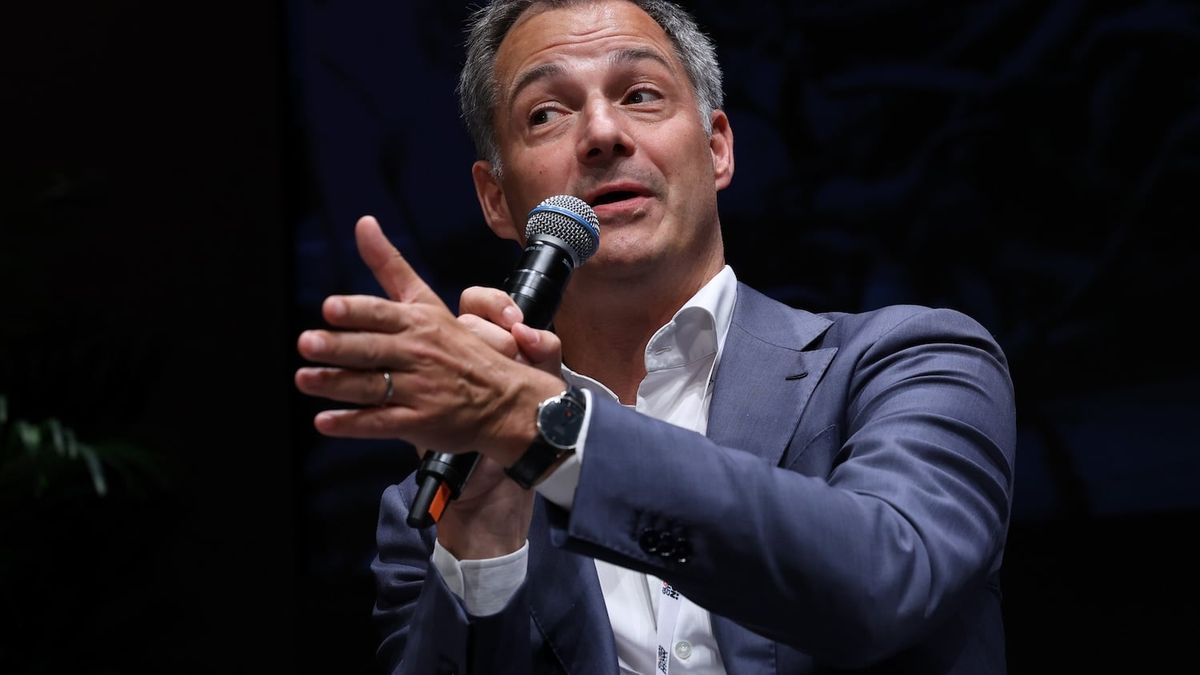
Alexander De Croo, former Belgian prime minister and current head of UNDP, told a live audience at the Foreign Policy Development Forum that waiting for peace before rebuilding is a luxury the world can no longer afford. He outlined projects ranging from decentralized renewable‑energy micro‑grids in war‑torn Ukraine to agricultural value‑chain upgrades in Taliban‑controlled Afghanistan. The UN agency now spends about $5 billion a year, with roughly sixty percent directed at active conflict zones, a figure that reflects the grim reality that most of the globe’s most pressing humanitarian needs exist where fighting continues.
The push to rebuild amid war rests on a lattice of incentives and constraints that bind states, donors, and the UN bureaucracy. First, donor governments—especially those in the West—see early reconstruction as a way to cement influence and pre‑empt rival powers from filling the vacuum. Funding streams tied to strategic interests, such as U.S. and EU support for Ukraine’s energy independence, are deliberately earmarked for projects that showcase resilience against Russian aggression. In Afghanistan, the calculus shifts: Western donors aim to keep the country from becoming a safe haven for extremist groups, while also countering China’s Belt‑and‑Road overtures. By financing renewable‑energy pilots and women‑led enterprises, UNDP signals a development model that diverges from the infrastructure‑heavy, state‑led approach China promotes.
Second, the UN’s own institutional survival depends on relevance. The agency’s budget is negotiated annually at the UN General Assembly, where member states vote on contributions. Demonstrating on‑the‑ground impact—especially in high‑visibility theatres like Ukraine—helps justify the agency’s existence and fend off calls for reform or cuts. This creates a feedback loop: the more UNDP can point to tangible projects, the more political capital it gains, which in turn unlocks further funding.
Third, the military dimension cannot be ignored. In Ukraine, the shift from centralized grids to decentralized, drone‑resistant micro‑grids reflects an adaptation to Russia’s evolving tactics. By embedding redundancy into the energy system, UNDP not only restores power but also reduces the strategic leverage that energy outages give to attacking forces. In Afghanistan, the partnership with the de‑facto Taliban authorities is a pragmatic choice to secure access and protect staff, even as the regime’s legitimacy remains contested. This arrangement allows the UN to operate, but it also tacitly acknowledges the Taliban’s control, a concession that has diplomatic ramifications for the broader international community.
For the 6.6 million Ukrainians still dependent on UNDP‑supported electricity, the difference between a functioning micro‑grid and a blackout is a matter of life and death. Without power, hospitals cannot run life‑saving equipment, schools cannot heat classrooms, and households cannot heat water during sub‑zero temperatures. The psychological toll of living under constant threat of air‑strike‑induced outages compounds trauma already inflicted by years of conflict.
In the remote valleys of Afghanistan, the eradication of poppy cultivation has forced thousands of farmers onto alternative crops. While many have successfully integrated into new value chains, the transition is fragile. Droughts, which have become more frequent due to climate change, threaten yields, and the lack of formal land titles under the Taliban regime leaves farmers vulnerable to expropriation. Women, who remain barred from formal education beyond age twelve, rely on micro‑loans and informal networks to run small businesses. Any disruption—whether from renewed fighting, sanctions, or internal Taliban policy shifts—can instantly erase years of modest economic gains, pushing families back into poverty.
Both theatres generate cross‑border pressures. Energy shortages in Ukraine drive higher electricity prices in neighboring EU states, while displaced Afghans returning from Iran and Pakistan strain already limited public services in Kabul’s outskirts. The human cost therefore extends beyond the immediate conflict zones, affecting regional stability and economic calculations for neighboring governments.
Official statements from Western capitals often frame the UN’s war‑zone work as “targeted, temporary assistance.” In reality, donor budgets are being stretched thin, and many member states are quietly recalibrating their contributions to avoid domestic political backlash. The narrative of limitless generosity hides the fact that several European countries have already signaled reductions in their UNDP pledges for the next fiscal cycle, citing inflation and domestic priorities.
UNDP officials repeatedly stress that they “do not work with” the Taliban, yet the agency’s ability to operate hinges on tacit agreements with the de‑facto authorities. This dynamic grants the Taliban a degree of leverage over the distribution of aid, allowing them to extract concessions—such as limited concessions on women’s economic participation—in exchange for security guarantees. The public discourse, however, rarely highlights how this arrangement may inadvertently legitimize the regime and embolden its hard‑line factions.
The push for drone‑resistant, hardened energy installations in Ukraine involves higher upfront costs and the procurement of specialized materials, often sourced from defense contractors. While these projects improve resilience, they also blur the line between civilian development and military fortification, a nuance omitted from most press releases. This conflation can make reconstruction sites legitimate military targets under international law, potentially endangering civilians who live nearby.
In the coming months, three developments will indicate whether UNDP’s war‑zone strategy is sustainable or merely a stopgap. First, monitor the funding commitments emerging from the UN General Assembly’s 2027 budget negotiations; any significant cuts will force the agency to prioritize projects, likely sidelining the most vulnerable communities. Second, watch for shifts in Taliban policy toward women’s economic activities—any crackdown could reverse the modest gains UNDP has helped secure. Third, track the performance of Ukraine’s decentralized grids during the winter energy surge; if they hold, the model could be exported to other conflict‑affected states, but failures would reinforce arguments for postponing reconstruction until after hostilities cease.
The interplay of power, money, and survival continues to shape how reconstruction unfolds in the world’s most dangerous places. Ordinary citizens—whether they are Ukrainian families huddling around a makeshift heater or Afghan women selling woven baskets in a market—remain the true barometers of whether these high‑level strategies translate into lasting stability.
UNDP argues that waiting for peace delays essential services and gives hostile forces leverage. Early projects aim to keep schools, hospitals, and economies functioning, reducing civilian suffering and limiting the strategic advantage of attackers.
UNDP engages with de‑facto authorities to secure access and protect staff, but it does not formally partner with the Taliban. This pragmatic approach enables projects like poppy eradication and women’s micro‑enterprise support, while also giving the regime some influence over aid distribution.
Source referenced: FOREIGNPOLICY
This brief was synthesized by our Editorial Engine and reviewed by The Ground Narrative team.


