TRENDING

Wednesday, 14 October 2026
----------------------
3 Jumada Al-Awwal 1448 AH
President Trump alleges Houthi attacks on Saudi Arabia are designed to inflate oil prices before US midterm elections, linking them to Iran. This analysis uncovers the complex interplay between US domestic politics and escalating conflicts abroad.
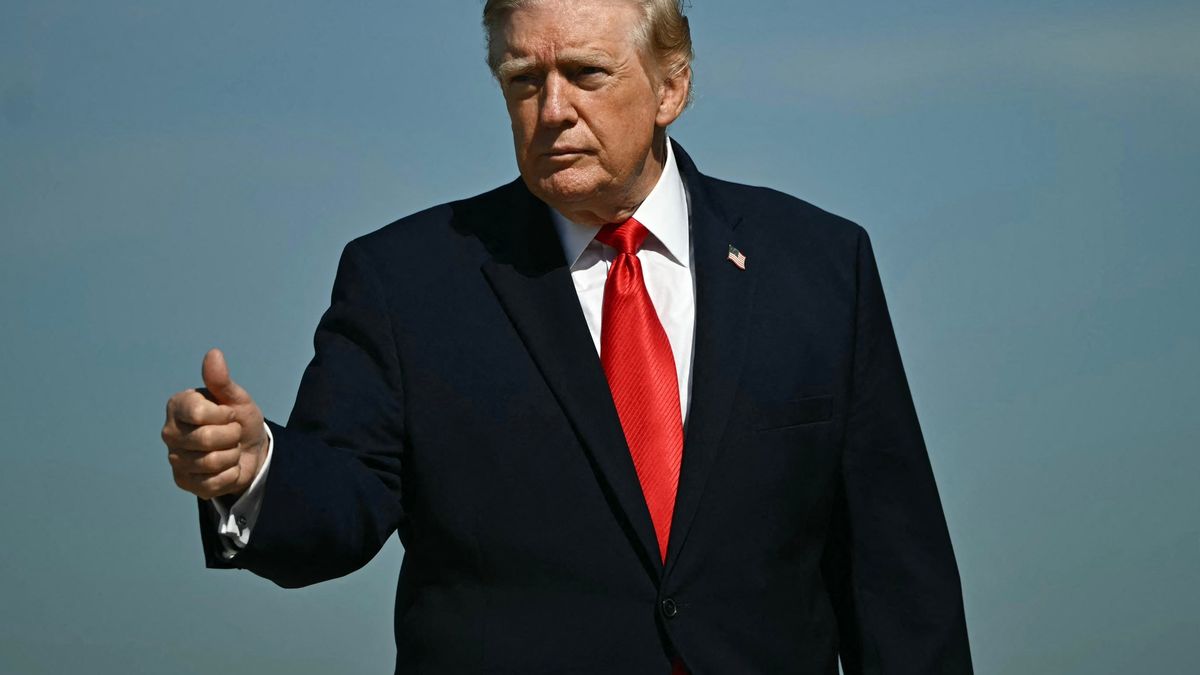
United States President Donald Trump has publicly claimed that the Houthi rebel group in Yemen is escalating its attacks on critical infrastructure in Saudi Arabia. According to Trump, these actions are a deliberate attempt to drive up global energy prices specifically in the run-up to the upcoming US midterm elections. He suggested that these attacks are likely orchestrated at the behest of Iran, which he characterized as a
US elections can influence foreign policy decisions, military actions, and economic sanctions, which in turn impact regional stability. Domestic voter sentiment, particularly concerning economic issues like oil prices, can drive political rhetoric and actions abroad.
The Houthis' attacks on Saudi Arabia are part of their strategy in the Yemeni Civil War, aiming to pressure Riyadh, demonstrate their capabilities, and gain leverage. While potentially benefiting Iran and influencing global markets, these actions are rooted in their own objectives within the conflict.
The 'war on Iran,' initiated by the Trump administration, involves sanctions and military posturing that disrupt oil production, supply chains, and market stability. This uncertainty and reduced supply directly contribute to higher global energy prices and increased cost of living.
Source referenced: ALJAZEERA
This brief was synthesized by our Editorial Engine and reviewed by The Ground Narrative team.


