TRENDING

Wednesday, 14 October 2026
----------------------
3 Jumada Al-Awwal 1448 AH
The Democratic Republic of Congo grapples with its deadliest Ebola outbreak, exacerbated by a brutal conflict and profound community mistrust. This analysis dissects the power struggles and human suffering at the heart of the crisis.
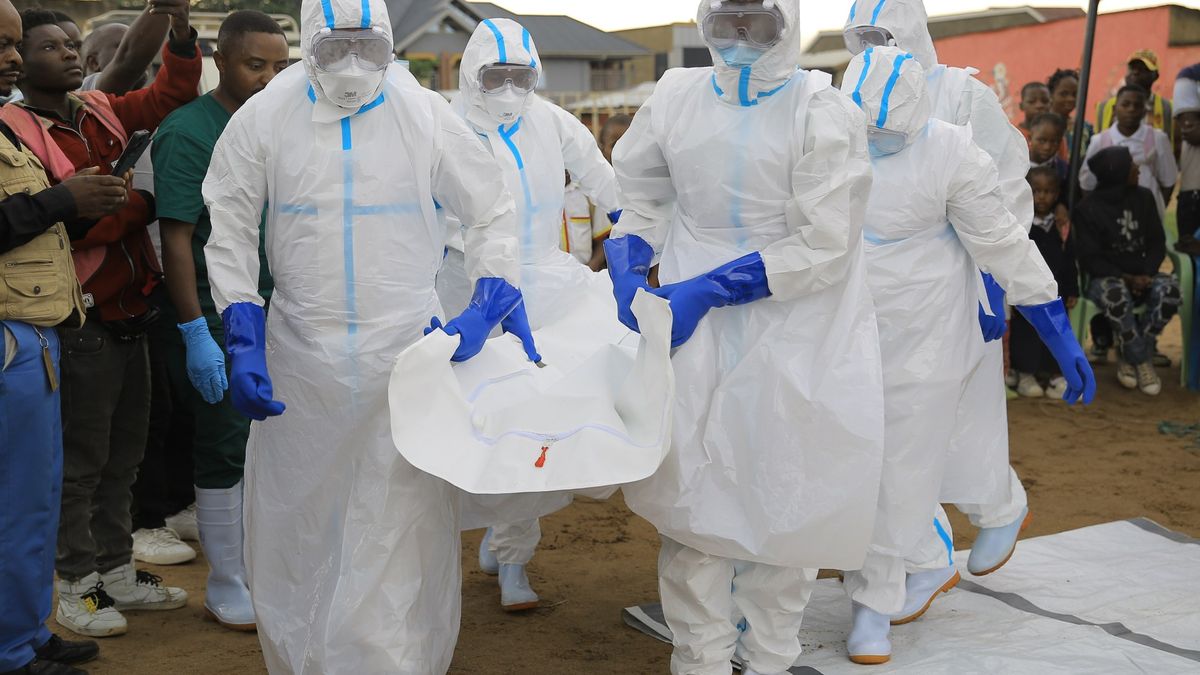
The Democratic Republic of Congo (DRC) is in the grip of its most severe Ebola outbreak to date, with confirmed cases surpassing 9,000 and the death toll nearing 4,400 as of October 2026. This epidemic, driven by the highly virulent Bundibugyo strain of the virus, has no currently approved vaccines or treatments, making containment exceptionally challenging. The scale of the crisis is globally significant, ranking as the second-largest Ebola epidemic in history, surpassed only by the devastating 2014-2016 West African outbreak. While officially announced in mid-May, some experts suspect the virus began circulating as early as February, silently spreading across seven provinces in the country's north and east. The outbreak has already demonstrated its potential for regional destabilization, with neighboring Kenya reporting its first imported case and Uganda having battled its own cluster earlier in the year.
The Ebola crisis in the DRC is not merely a public health emergency; it is a stark illustration of the profound failures of state capacity, the enduring legacy of conflict, and the corrosive impact of deep-seated public mistrust. At its core, the spread of the Bundibugyo strain is a function of who holds power, who is disempowered, and how these dynamics dictate access to vital resources and information.
The DRC government struggles to project its authority and provide basic services across its vast territory, particularly in the eastern provinces. Decades of internal conflict, weak institutions, and pervasive corruption have hollowed out the state, leaving it ill-equipped to mount an effective response to a fast-moving epidemic. The inability to secure remote regions, establish reliable infrastructure, or ensure the safety of health workers directly empowers the virus, allowing it to spread unchecked. For the government, the outbreak is a test of legitimacy, yet its limited reach and resources mean it often appears reactive rather than proactive, further eroding public confidence.
The ongoing conflict between M23 rebel groups and government forces in the eastern DRC is a critical accelerant of the epidemic. This violence creates no-go zones, disrupts supply chains for medical aid, and displaces populations, pushing them into overcrowded, unsanitary conditions ripe for viral transmission. Rebel groups, operating outside state control, can actively obstruct health interventions, either through direct violence or by exploiting the chaos to maintain their territorial and economic interests. For these non-state actors, the epidemic can even be a perverse advantage, diverting government resources and attention while further destabilizing regions they seek to control. The inability of the government to secure these areas means that the
Source referenced: ALJAZEERA
This brief was synthesized by our Editorial Engine and reviewed by The Ground Narrative team.