TRENDING

Tuesday, 13 October 2026
----------------------
2 Jumada Al-Awwal 1448 AH
The Houthis have warned of attacks on Saudi oil sites and airports, prompting evacuations and airline suspensions. The fallout reveals deep power calculations and a looming human toll.
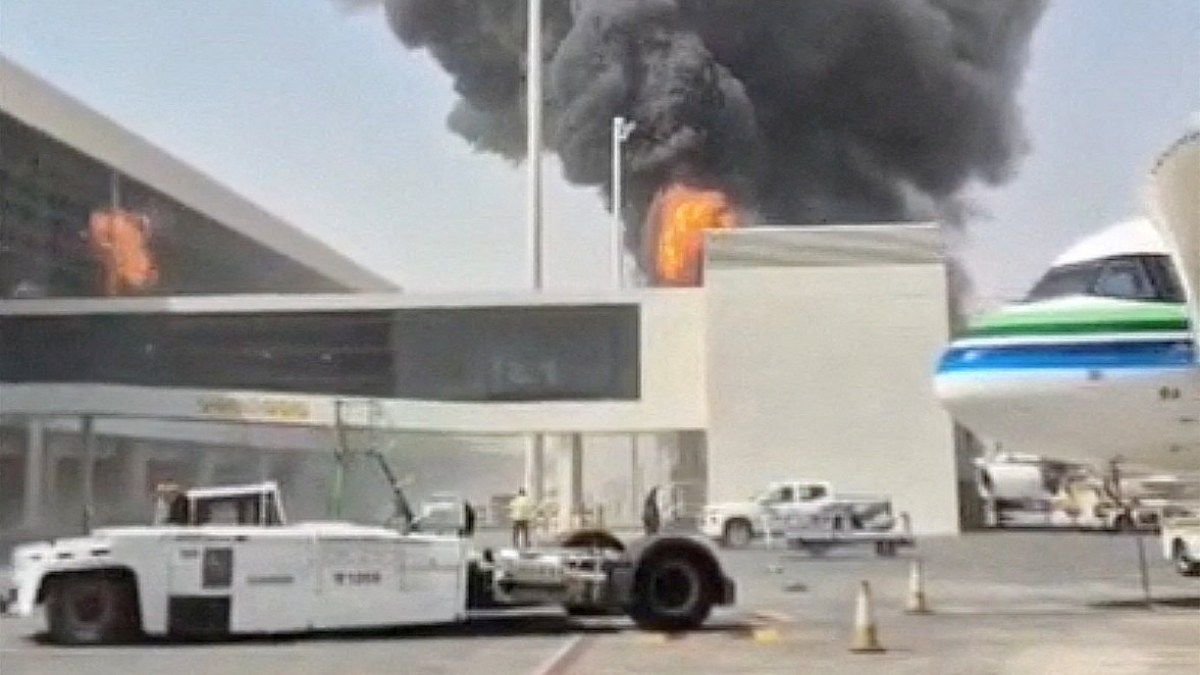
On 13 October 2026 the Houthi movement announced that Saudi Arabia must evacuate personnel from key Aramco installations and major airports, labeling them "legitimate targets." The warning followed a Saudi‑led coalition strike on an oil station in Sanaa, which the Houthis said prompted a harsh response that could hit Riyadh and Dammam. Within days, projectiles struck King Khalid International Airport and Riyadh’s airport, killing dozens and injuring hundreds, while dozens of international carriers halted flights to the kingdom.
The clash is less about isolated missile strikes and more about a layered set of incentives.
- Regional rivalry: The Houthis, backed by Iran, view attacks on Saudi energy hubs as a way to pressure the kingdom, which leads the Saudi‑backed coalition in Yemen. By threatening the world’s top crude exporter, they aim to force Riyadh to reconsider its military push in the Red Sea corridor.
- Coalition survival: For the Saudi‑led coalition, maintaining a foothold in Yemen protects the maritime routes that funnel billions of dollars of oil. The recent "Dawn of Yemen" offensive seeks to reclaim ports that could be used to smuggle weapons to the Houthis.
- Oil market leverage: Aramco accounts for roughly 10 % of global oil supply. Even the perception of vulnerability can spike futures prices, benefiting traders and nations that hold large oil‑related financial positions.
- Domestic politics: Crown Prince Mohammed bin Salman faces internal pressure to demonstrate decisive action against perceived Iranian proxies. A strong response to Houthi threats reinforces his image as the security guarantor.
- U.S. and Western interests: The United States, while not directly involved in the latest strikes, monitors any disruption to oil flows that could affect global energy security and its own strategic posture in the Gulf.
These forces intersect in a calculus where each side weighs the cost of escalation against the political capital gained at home and abroad.
Employees at Aramco facilities in Dammam, Riyadh, and the surrounding refineries now live under evacuation orders. Many are forced to abandon homes and income with little notice, while replacement staff are recruited on short‑term contracts that lack adequate safety nets.
The attacks at King Khalid and Riyadh airports left 13 dead and over 300 injured, many of whom were airline crew members and ground‑handling workers. International carriers suspended routes, stranding thousands of travelers and causing a cascade of refunds and lost wages for airport employees.
The coalition’s airstrike on the al‑Sabah central station in Sanaa triggered explosions that killed civilians and damaged infrastructure. The evacuation order issued by the coalition forced residents near the station to flee, adding to an already massive displacement crisis in Yemen.
Saudi Arabia’s oil export capacity is a cornerstone of the Gulf’s fiscal stability. Even a brief disruption can ripple through public sector budgets, social welfare programs, and private sector contracts, ultimately affecting the purchasing power of ordinary Saudis.
Official statements from Riyadh and Washington emphasize “targeted precision” and “minimal civilian impact,” yet the pattern of evacuations and airline shutdowns suggests a broader threat environment that is being downplayed to avoid alarming investors.
While Tehran publicly denies direct command of Houthi operations, intelligence reports indicate a steady flow of missile components and drone technology. The narrative of a purely Yemeni insurgency masks a proxy dynamic that allows Iran to exert pressure without overtly breaching international sanctions.
The state‑owned oil giant has issued reassurances about the continuity of production, but internal memos leaked to journalists reveal contingency plans that include rerouting crude through alternative ports and stockpiling reserves—measures that could conceal the true scale of operational disruption.
International coverage has focused on the dramatic airport attacks, while the forced evacuations of thousands of Aramco workers and Yemeni residents receive scant attention. This selective reporting shapes public perception, keeping the human toll out of policy debates.
- Escalation patterns: Monitor whether the Houthis follow through on threats to hit the evacuated sites. A successful strike on an Aramco refinery would mark a new level of capability.
- Airline responses: The duration of flight suspensions and the willingness of carriers to resume service will indicate how quickly the market regains confidence.
- Coalition tactics: Look for changes in the Saudi‑led coalition’s rules of engagement, especially any shift toward broader strikes in urban centers, which could trigger further civilian casualties.
- Iranian diplomatic moves: Any overt diplomatic outreach from Tehran to the United Nations or back‑channel talks with Riyadh could signal a desire to de‑escalate before oil markets react dramatically.
- U.S. policy signals: Statements from the Pentagon or the State Department about protecting global energy supplies will reveal whether the United States is prepared to intervene more directly.
Staying alert to these indicators will help ordinary citizens understand how a regional feud over oil and airports can quickly reshape daily life far beyond the battlefield.
The Houthis aim to pressure Saudi Arabia by threatening its most valuable economic assets, leveraging the global reliance on Saudi oil to extract political concessions in the Yemen war.
Flight suspensions strand thousands of passengers, cut wages for airline and ground staff, and raise ticket prices as carriers reroute or reduce capacity across the region.
Source referenced: ALJAZEERA
This brief was synthesized by our Editorial Engine and reviewed by The Ground Narrative team.