TRENDING

Wednesday, 14 October 2026
----------------------
3 Jumada Al-Awwal 1448 AH
The latest Atlas of Impunity shows a stark link between shrinking press freedom and rising unaccountability. This analysis uncovers who benefits, who suffers, and what to watch next.
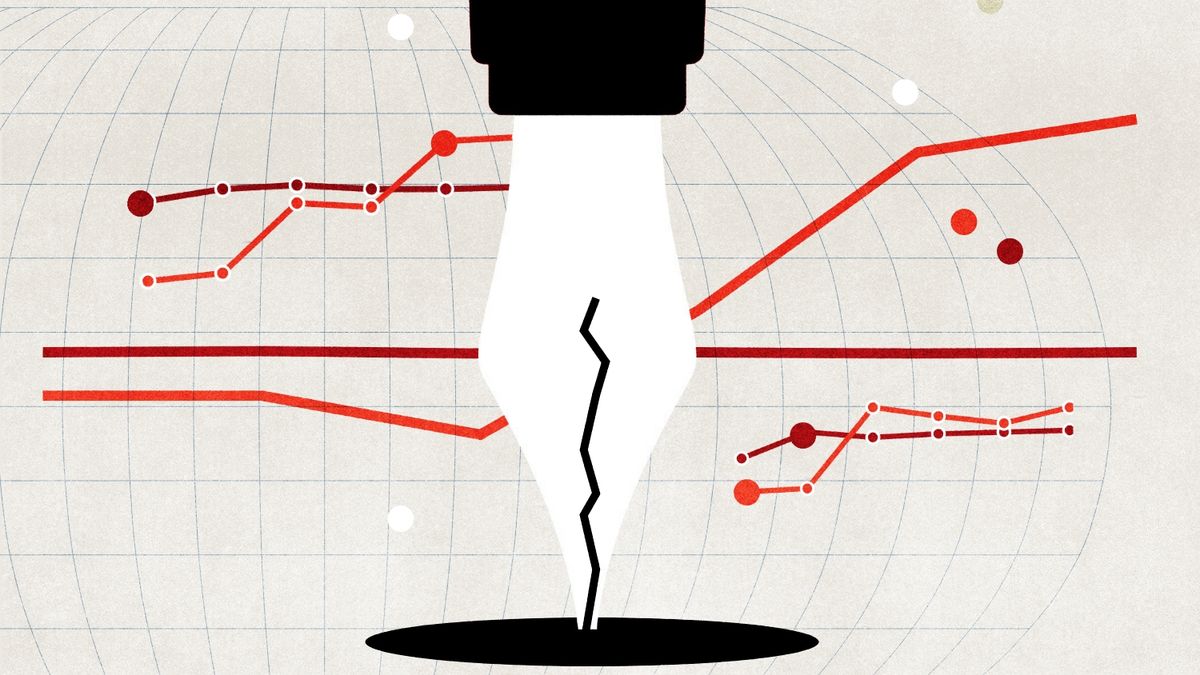
The Atlas of Impunity released by the Eurasia Group and the Thomson Reuters Foundation maps a worrying convergence: countries where journalists face tighter restrictions also see a surge in unpunished crimes. The report highlights the 2017 murder of Daphne Caruana Galizia, a Maltese anti‑corruption reporter, whose case remains legally unresolved after a business tycoon was acquitted in 2026. Across the globe, the map flags worsening press‑freedom scores in conflict zones like Syria, Afghanistan, Myanmar, and Sudan, as well as in tightly controlled states such as China and the Central Asian republics.
Authoritarian regimes increasingly weaponize media law to cement political survival. By criminalising "misinformation" or imposing draconian licensing, governments create a legal shield that silences dissent while projecting a veneer of legitimacy. In Afghanistan, the Taliban’s post‑2021 media crackdown has been framed as a cultural safeguard, yet the real payoff is unchallenged governance and easier extraction of resources.
In war‑torn societies, militias and criminal networks thrive where state oversight collapses. The Atlas shows that in Syria and Sudan, armed groups use intimidation and outright violence against reporters to hide human‑rights abuses and illicit economies. Without an independent press, these actors face fewer investigations, allowing impunity to become a market commodity.
Since 2020, major donors have slashed funding for media NGOs and fact‑checking outfits, citing budget constraints and shifting geopolitical priorities. This creates a vacuum that authoritarian states readily fill with state‑run narratives. The decline in foreign aid thus indirectly fuels the very impunity the Atlas warns about, as civil‑society watchdogs lose the resources needed to hold power to account.
Tech giants control the digital public sphere, yet their content‑moderation policies often align with the interests of powerful states. By complying with opaque takedown requests, platforms help erase evidence of abuse and limit the reach of independent reporting, reinforcing the cycle of silence.
In Afghanistan, more than two‑thirds of professional journalists have left the field, many seeking refuge abroad. Their displacement erodes local newsgathering capacity, leaving communities without reliable information about health crises, elections, or war crimes.
When press freedom collapses, ordinary citizens lose the ability to verify government claims. In Myanmar, the shutdown of independent outlets has coincided with a spike in forced labour and land grabs, as villagers cannot expose illegal contracts.
Impunity enables unchecked corruption that directly harms livelihoods. In Mali, for example, the absence of investigative reporting has allowed mining concessions to be awarded without public scrutiny, leading to environmental degradation and loss of income for pastoralists.
The families of slain journalists, such as Caruana Galizia’s sister, bear a lasting trauma that extends beyond personal grief. Their public pleas highlight a broader societal anxiety: when a murder goes unpunished, the message sent to all dissenters is one of fatal vulnerability.
Official statements often separate press‑freedom metrics from broader governance assessments, suggesting that media restrictions are merely “administrative reforms.” This framing obscures the causal chain that the Atlas demonstrates: weaker media equals higher impunity.
Aid agencies frequently present funding cuts as efficiency measures, ignoring that reduced support for independent media destabilises democratic resilience. By not acknowledging this feedback loop, donors inadvertently legitimize authoritarian consolidation.
Corporate press releases tout algorithmic transparency while sidestepping the reality that compliance with state censorship orders effectively censors dissenting voices. The omission of this impact from public discourse lets powerful regimes outsource repression.
Even as NGOs attempt to fill the gap, they face legal harassment, funding freezes, and digital attacks. Their warnings about rising impunity are often relegated to niche briefings, never reaching mainstream audiences that could pressure policymakers.
- UN Human Rights Council reviews scheduled for early 2027 will assess press‑freedom violations; any strong language could pressure reluctant states.
- Donor budget revisions in the EU and US are expected later this year; watch for earmarked funding for media resilience.
- Platform policy updates from major tech firms on government takedown requests will indicate whether corporate gatekeeping intensifies or eases.
- Grass‑roots reporting networks emerging in conflict zones, such as citizen‑journalist collectives in Sudan, may provide early signals of shifting accountability dynamics.
- Legislative trends on "misinformation" laws in Central Asian republics; tighter statutes often precede spikes in uninvestigated crimes.
Staying alert to these developments will help ordinary people trace how the erosion of a free press translates into unchecked power, and where opportunities may still exist to restore accountability.
When journalists cannot investigate or publish freely, abuses go unreported, reducing public pressure on perpetrators. This lack of scrutiny lets governments and armed groups act without fear of legal consequences.
Reduced funding for independent media and civil‑society groups weakens watchdog capacity, allowing authoritarian actors to operate with less oversight. Aid cuts therefore indirectly support environments where crimes remain unpunished.
Source referenced: FOREIGNPOLICY
This brief was synthesized by our Editorial Engine and reviewed by The Ground Narrative team.