TRENDING

Friday, 9 October 2026
----------------------
28 Rabi' Al-Thani 1448 AH
The Pentagon has instructed the US military to prepare for major combat operations against Iran, with potential strikes occurring before upcoming US and Israeli elections. This move comes as domestic economic concerns weigh heavily on US voters, raising questions about the motivations behind a potential escalation.
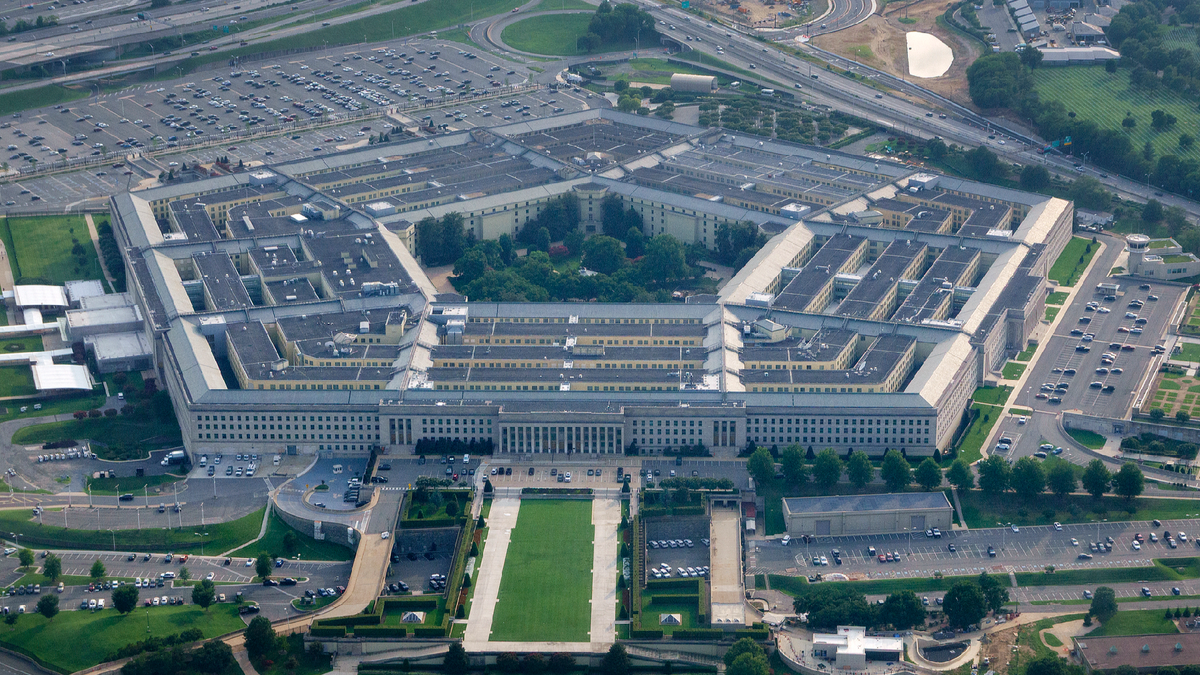
Days before crucial US midterm elections, the Pentagon has reportedly instructed US Central Command to finalize preparations for resuming major combat operations against Iran. According to reports citing US and Israeli officials, these potential strikes could occur before the US elections on November 3, 2026, and possibly even earlier, ahead of Israel's own elections. The proposed operations include extensive bombing campaigns targeting Iranian energy infrastructure, general infrastructure, and nuclear facilities. This directive emerges as President Donald Trump's approval rating remains at a record low, with domestic affordability issues and surging gas prices—attributed in part to an ongoing
Reports suggest the timing of potential US military action against **Iran** could be influenced by upcoming **US midterm elections**. Historically, some administrations have used foreign policy actions to rally domestic support or distract from internal issues, particularly when facing low approval ratings or economic challenges.
According to reports, potential US combat operations could involve massive bombing campaigns targeting **Iran's** energy infrastructure, general infrastructure, and nuclear facilities. Such strikes would aim to cripple **Iran's** capabilities and exert significant pressure on its government.
An escalation of conflict between the **US** and **Iran**, particularly involving strikes on **Iran's** energy infrastructure, would almost certainly lead to a sharp surge in global oil prices. **Iran** is a major oil producer, and any disruption to its supply or the broader **Middle East** region would have immediate and significant economic repercussions worldwide.
Editor's Note: The raw intelligence explicitly states a 'war in Iran has caused gas prices to surge', implying a pre-existing conflict. This analysis proceeds with that understanding, interpreting the proposed strikes as an escalation rather than an initiation of conflict.
Source referenced: CGTN
This brief was synthesized by our Editorial Engine and reviewed by The Ground Narrative team.