TRENDING

Friday, 2 October 2026
----------------------
21 Rabi' Al-Thani 1448 AH
The US is running out of weapons in its war against Iran, sparking questions about the efficacy of its massive defense spending. As the conflict exposes significant shortages in US weapons stockpiles, it's crucial to examine the power dynamics at play and the human cost of this arms race. The US defense budget has been on the rise, yet the country is facing ammunition shortages against a 'middle-tier country' like Iran, raising concerns about the allocation of resources and the beneficiaries of the war industry.
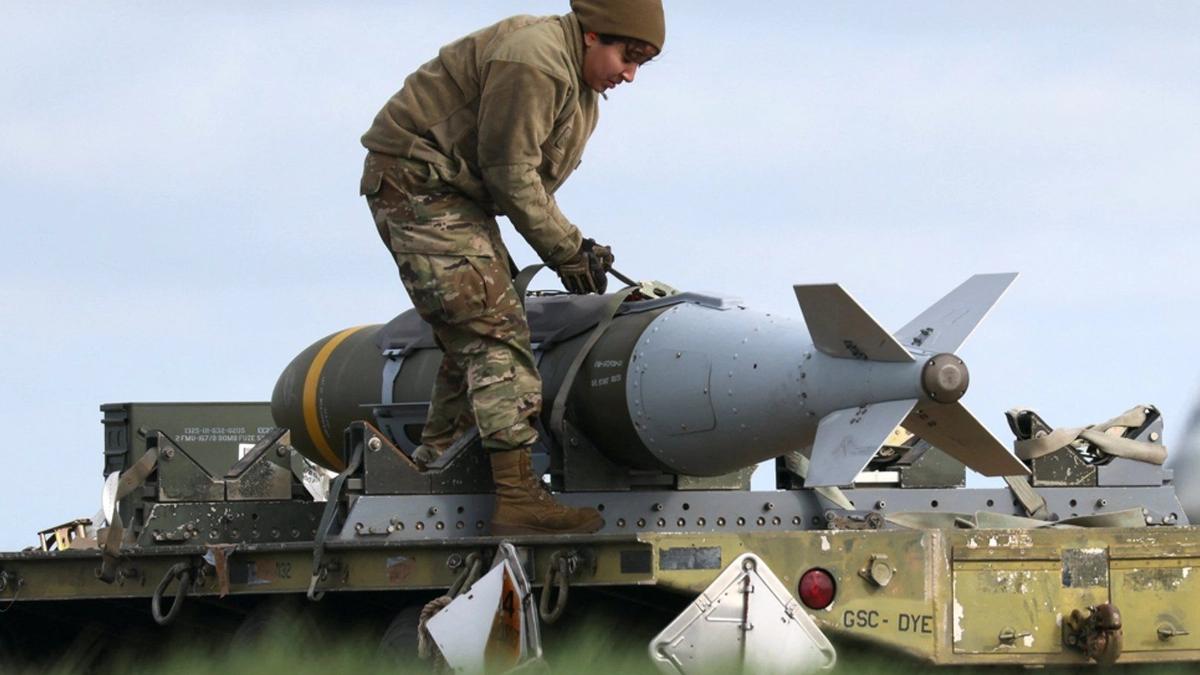
The war between the US and Iran has brought to light a startling reality: the US is running out of weapons. Despite being one of the largest military spenders in the world, the US is facing significant shortages in its weapons stockpiles, particularly ammunition. This shortage has been evident after less than five months of conflict with Iran, a country often described as a 'middle-tier' military power.
The underlying issue here is not just about the amount of money spent on defense but how it is allocated. The US defense budget is a complex web of interests involving defense contractors, politicians, and military strategists. The system is designed to prioritize the development of new, high-tech weaponry over the replenishment of existing stockpiles. This approach is driven by the interests of defense contractors who stand to gain more from the development of new systems than from the production of ammunition. Additionally, the political appeal of unveiling new, advanced weaponry can overshadow the less glamorous but crucial task of maintaining adequate stockpiles of basic munitions.
The human cost of this arms race and the misallocation of defense spending is multifaceted. Soldiers on the ground are directly affected by the shortages, facing increased risks due to the lack of necessary munitions. Civilians in conflict zones, like Iran, bear the brunt of military actions, with their lives and livelihoods hanging in the balance. Furthermore, the diversion of vast resources towards defense spending has opportunity costs, potentially depriving essential public services and social programs of much-needed funding. The people who weren't in the room when these decisions were made are those whose lives are most directly impacted by them.
What is often downplayed or omitted in discussions about US defense spending is the role of the military-industrial complex. The significant influence of defense contractors and their lobbyists in shaping defense policy and budget allocations is a critical factor. The emphasis on developing new, expensive technologies can lead to a situation where the US finds itself with an arsenal that is technologically advanced but numerically insufficient for prolonged conflicts. This dynamic benefits the defense industry but may not serve the broader strategic interests of the US or the safety of its soldiers and civilians caught in conflict zones.
As the situation unfolds, several factors will be worth watching. Firstly, how the US adjusts its defense spending and allocation in response to the current shortages will be telling. Will there be a shift towards replenishing stockpiles and prioritizing sustainability in military capabilities, or will the focus remain on advanced technologies? Secondly, the geopolitical implications of the US's current military vulnerabilities, especially in relation to other global powers, will be significant. How other nations, particularly those with significant military capabilities like China and Russia, respond to the perceived weaknesses in the US arsenal could have profound effects on global security dynamics.
Editor's Note: The analysis is based on publicly available information and may not reflect the full complexity of the situation due to the classified nature of some defense spending and strategic decisions.
Source referenced: ALJAZEERA
This brief was synthesized by our Editorial Engine and reviewed by The Ground Narrative team.


