TRENDING

Monday, 5 October 2026
----------------------
24 Rabi' Al-Thani 1448 AH
The United States and its allies have wrapped up a 12‑year fight against ISIS in Iraq, pulling out the final troops. The exit reshapes Baghdad’s balancing act between Washington and Tehran while ordinary Iraqis brace for new uncertainties.
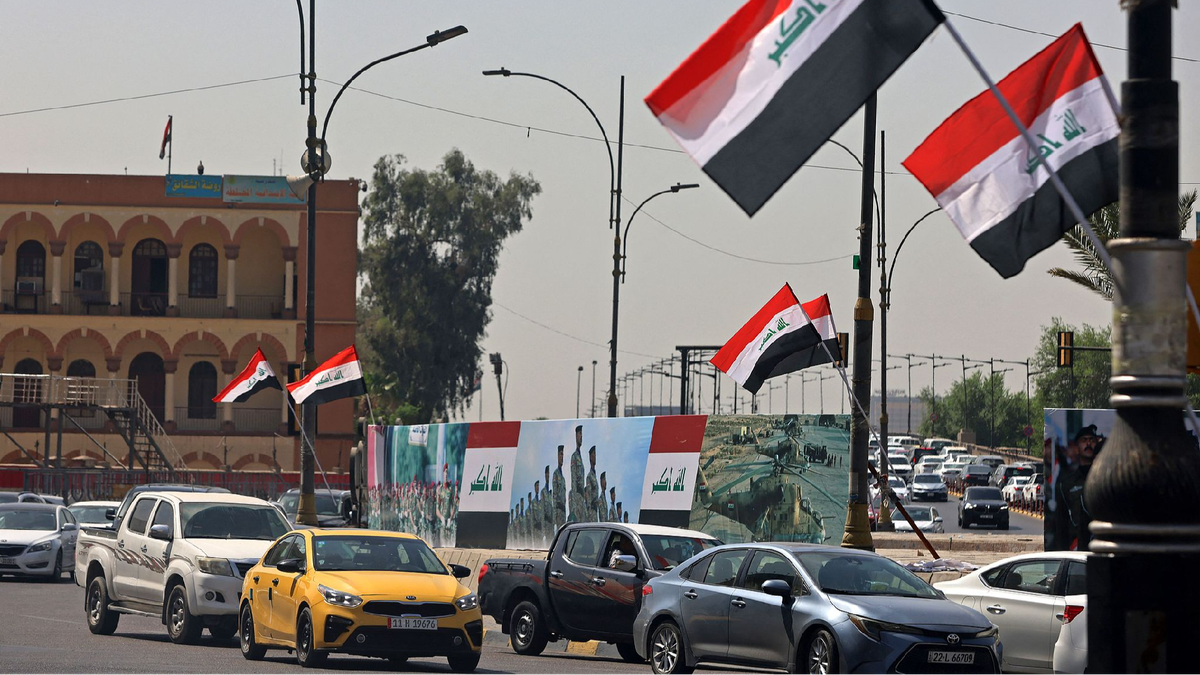
The United States announced on September 30, 2026 that its remaining troops would leave Erbil Air Base, marking the formal end of the coalition’s combat mission against the Islamic State in Iraq. The Pentagon described the pullout as “orderly” and said Washington will keep providing targeted training and intelligence to Iraqi forces, even as the physical presence disappears.
The decision to end the mission was not driven solely by the defeat of ISIS; it was the product of intersecting political, economic, and security calculations. Domestically, successive U.S. administrations faced mounting pressure to reduce overseas deployments after the costly withdrawals from Afghanistan and the protracted presence in Iraq that began in 2003. For President Donald Trump, completing the mission offered a tangible foreign‑policy win that could be touted in a political environment increasingly skeptical of endless wars.
Regionally, Iraq has become a diplomatic tightrope. Since the 2020 killing of Iranian commander Qasem Soleimani, Tehran‑aligned militias have repeatedly struck U.S. bases, turning Iraq into a proxy battleground. The continued U.S. footprint gave Baghdad leverage in its relationship with Iran, but it also invited retaliatory attacks that strained Iraqi sovereignty and public opinion. By 2024, Iraqi leaders negotiated a withdrawal timetable that satisfied both Washington’s desire to cut costs and Tehran’s demand for reduced American influence.
Economically, the coalition’s presence has been a double‑edged sword. While U.S. contracts pumped money into local economies—fueling construction, logistics, and security jobs—the long‑term fiscal burden fell on the U.S. Treasury, which faced competing priorities at home. The shift toward a smaller advisory role allows the United States to maintain strategic relevance without the overhead of large‑scale troop deployments.
Militarily, the transition reflects a broader doctrinal shift toward “remote engagement.” Advances in surveillance, drones, and intelligence sharing enable Washington to influence the battlefield from afar, reducing the political risk of casualties that have historically sparked domestic backlash.
The most immediate victims of the drawdown are the civilians living near former bases and in contested districts. During the height of the ISIS campaign, U.S. forces provided air support that saved countless lives, but the withdrawal also removes a layer of protection against residual insurgent cells. Communities in the Nineveh plains, for example, now rely solely on Iraqi security forces, which are still rebuilding capacity after years of attrition.
Thousands of Iraqi nationals were employed by the coalition as drivers, translators, and maintenance workers. The sudden closure of bases means many face unemployment, with limited social safety nets in a country still recovering from war‑induced economic disruption. Some have already begun migrating to neighboring Syria or Turkey in search of work, adding pressure to already strained refugee flows.
The war in Iraq claimed nearly twice as many American lives as the Afghan conflict, leaving a generation of widows, children, and veterans coping with loss. The final casualty—a sergeant killed in a drone‑detonation accident—underscores the lingering danger even as combat operations cease. Memorials and support services in U.S. cities will now have to address a new chapter of grief tied to a mission that has officially ended.
U.S. statements emphasize the “successful conclusion” of the mission, yet they omit the fact that ISIS remnants still control pockets in remote desert areas and continue to inspire attacks across the region. Intelligence reports suggest that the group’s financial networks remain active, funneling funds through illicit oil smuggling and charitable fronts. By framing the withdrawal as a clean victory, policymakers sidestep the need for a sustained counter‑terrorism commitment.
While Washington celebrates the exit, Tehran quietly consolidates influence in Baghdad’s security apparatus. Iranian‑backed militias have secured positions within the Iraqi Popular Mobilization Forces, granting Tehran a de‑facto foothold that can be leveraged in future negotiations over oil, water, and border security. The public discourse in the United States rarely acknowledges how the pullout may tilt the regional balance in Iran’s favor.
American defense contractors have already begun winding down contracts worth billions of dollars. The article does not address the domestic lobbying pressure to secure future deals in the Middle East, nor the potential shift of those contracts to other allied firms in Europe or the Gulf. This economic dimension shapes the timing and framing of the withdrawal, but it remains invisible to most readers.
The next months will reveal whether Iraq can sustain security without a direct U.S. presence. Key indicators include the frequency of attacks on Iraqi police stations, the speed of Iraqi forces’ training programs, and any resurgence of ISIS propaganda. Observers should also monitor diplomatic signals from Tehran and Washington—particularly any covert coordination on counter‑terrorism that could signal a new, less visible partnership. Finally, the fate of former coalition employees will serve as a barometer for how the Iraqi state manages the socioeconomic fallout of the exit.
Iraq will rely on its own forces and limited U.S. advisory support, which may leave gaps in counter‑terrorism capacity and increase pressure on local security units to fill the void.
Iran‑aligned militias gain greater access to Iraqi security structures, allowing Tehran to expand its political and military influence without direct confrontation with U.S. troops.
Source referenced: CGTN
This brief was synthesized by our Editorial Engine and reviewed by The Ground Narrative team.


