TRENDING

Monday, 5 October 2026
----------------------
24 Rabi' Al-Thani 1448 AH
China and Brunei marked 35 years of diplomatic ties with mutual congratulations, but the ceremony masks deeper power moves in the South China Sea and the lives of ordinary Bruneians.
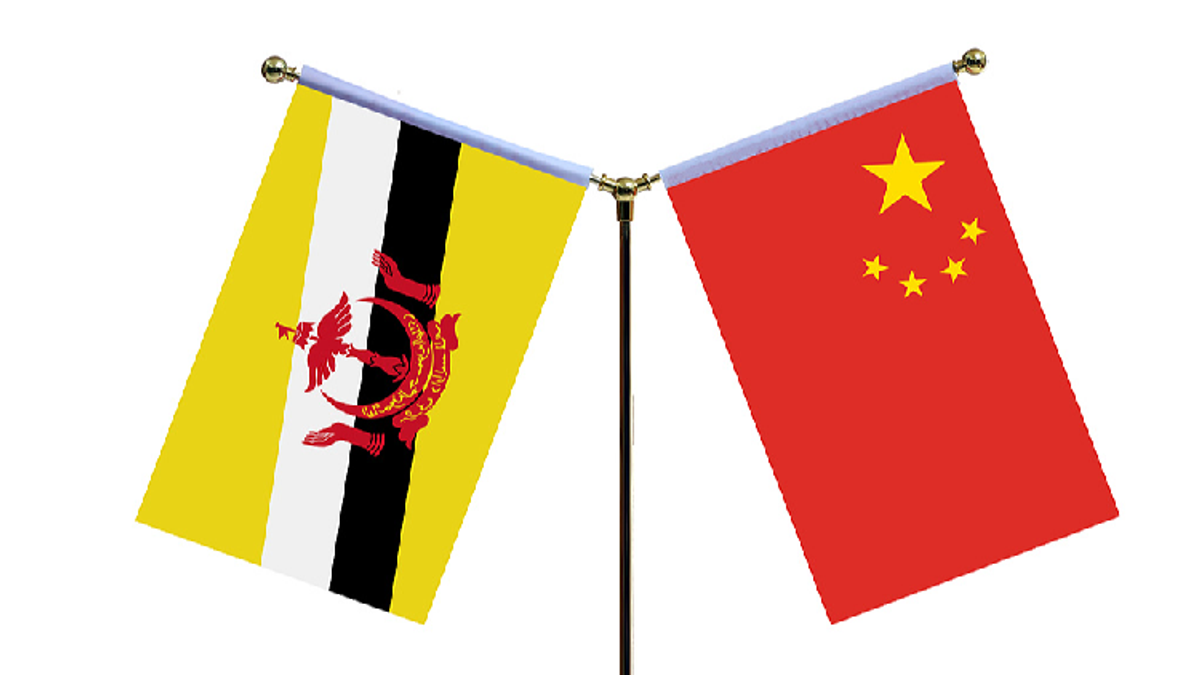
Chinese President Xi Jinping and Brunei’s Sultan Hassanal exchanged congratulations on the 35th anniversary of their diplomatic relationship. The statements highlighted “mutual respect, equality and common development,” and hinted at deeper cooperation across economics, defence and culture.
Both actors are playing a long‑term game of influence. For Beijing, Brunei offers a rare, low‑profile foothold near the contested waters of the South China Sea. By deepening economic ties—particularly through the Belt and Road Initiative—China secures access to Brunei’s offshore oil and gas fields and can negotiate maritime routes that skirt the disputed Spratly archipelago. The partnership also feeds into China’s broader aim of presenting a “community with a shared future” that normalises its presence in ASEAN without overt confrontation.
Brunei, for its part, balances the allure of Chinese investment against the security guarantees of the United States and its own historic ties to the British Crown. The Sultan’s state visit to Beijing in 2025 produced a consensus on a shared‑future community, a diplomatic phrasing that lets Brunei extract infrastructure funding while preserving a veneer of independence. Internally, the monarchy leverages the relationship to bolster its legitimacy, showcasing foreign‑policy successes to a populace that sees limited domestic political space.
The headline celebrations rarely reach the fishermen who navigate the same waters that China eyes for naval patrols. Brunei’s small‑scale coastal communities face tighter regulations and potential displacement as offshore drilling expands under Chinese‑backed projects. Workers in the oil and gas sector, many of whom are Bruneian nationals, may see short‑term wage gains but also heightened exposure to environmental risks and market volatility tied to Chinese demand.
In the capital, Bandar Seri Begawan, the influx of Chinese construction firms brings temporary jobs, yet the majority of high‑skill positions remain filled by expatriates, limiting long‑term skill transfer for locals. Meanwhile, the broader population—already grappling with a high cost of living—does not directly benefit from the diplomatic rhetoric, and any economic uplift is unevenly distributed.
Official statements gloss over the maritime dimension. Brunei’s exclusive economic zone overlaps with areas claimed by China, and the anniversary provides diplomatic cover for Beijing to deepen its naval liaison with Bruneian authorities. This quiet cooperation is downplayed to avoid provoking the United States, which maintains a defense presence in nearby Singapore and monitors Chinese activity in the region.
Equally omitted is Brunei’s constrained bargaining power. While the Sultan can tout “mutual respect,” the kingdom’s tiny economy and limited defence budget mean it cannot demand concessions that would significantly curb Chinese ambitions. The partnership therefore leans heavily toward Beijing’s strategic calculus, with Brunei serving more as a diplomatic conduit than an equal partner.
Watch for concrete project announcements in the coming months—especially any new ports, pipelines or digital infrastructure linked to the Belt and Road network. Such deals will reveal how much Brunei is willing to trade for Chinese capital and whether Washington will respond with increased aid or joint exercises to reassure smaller ASEAN members.
Also monitor shifts in Brunei’s voting patterns at ASEAN summits. A subtle tilt toward China on maritime security resolutions could signal deeper alignment, while any public pushback may indicate domestic pressure from communities feeling the environmental fallout.
Finally, keep an eye on the Sultan’s domestic agenda. If the monarchy leverages the anniversary to launch social programs funded by Chinese loans, the public’s perception of the partnership could shift, either cementing Beijing’s foothold or sparking grassroots criticism.
Source referenced: CGTN
This brief was synthesized by our Editorial Engine and reviewed by The Ground Narrative team.