TRENDING

Monday, 5 October 2026
----------------------
24 Rabi' Al-Thani 1448 AH
A co‑pilot stabbed the captain on a Flydubai flight to Tel Aviv, prompting a dramatic cabin‑crew rescue and raising fresh doubts about cockpit security. The incident spotlights gaps in pilot vetting, airline economics, and regional power politics.
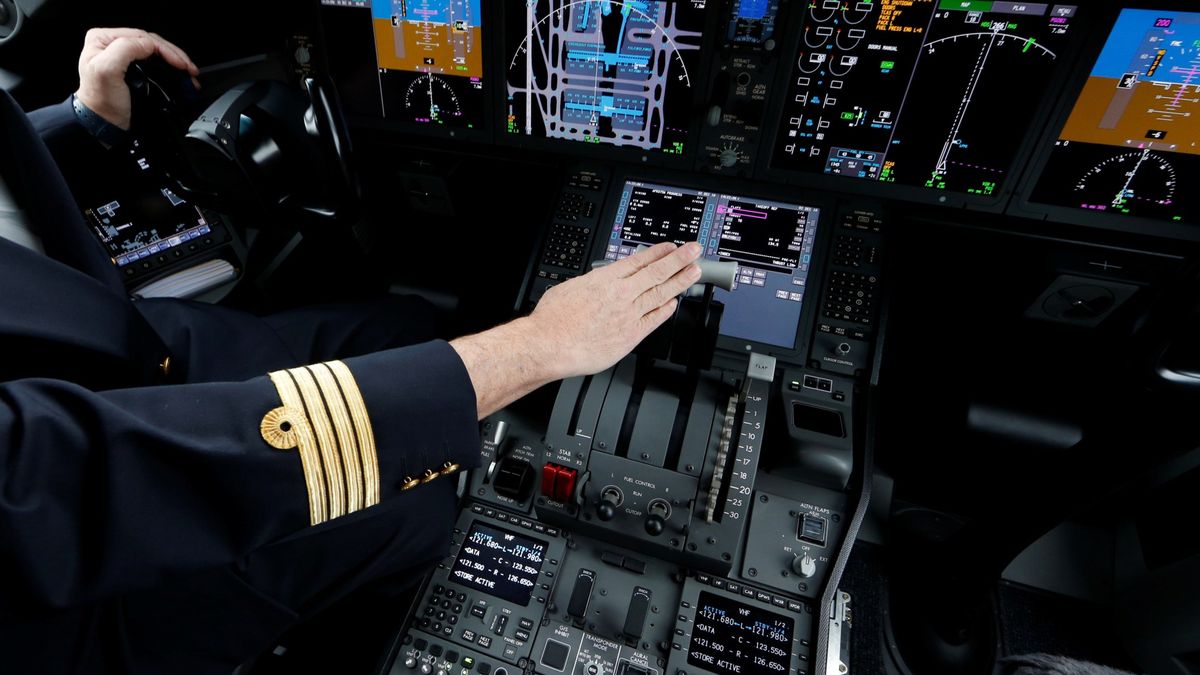
On 30 September 2026 a Flydubai Boeing 737‑800 departed Dubai for Tel Aviv with more than 170 passengers aboard. Mid‑flight, the co‑pilot attacked the captain with a knife, allegedly aiming to bring the aircraft down. The captain managed to unlock the cockpit door, and a group of passengers and crew rushed in, subduing the attacker. A second pilot on board took control, and the plane landed safely in Saudi Arabia's Tabuk after transmitting both emergency codes 7700 and 7500. The assailant was taken into Saudi custody, while United Arab Emirates authorities opened a parallel investigation. Israeli officials labelled the episode a terrorist act, promising to cooperate on the probe.
Flydubai operates under a low‑cost model that relies on high aircraft utilisation and thin profit margins. The airline’s rapid expansion into the Gulf‑Israel corridor reflects broader UAE diplomatic outreach following the Abraham Accords, turning air links into soft‑power tools. A security breach threatens the airline’s brand, potentially prompting insurers to raise premiums and investors to demand stricter oversight.
The incident tests the post‑9/11 security architecture overseen by the International Civil Aviation Organization (ICAO). While reinforced cockpit doors and mandatory background checks are global standards, enforcement varies. After the Germanwings crash in 2015, the European Union Aviation Safety Agency (EASA) shifted to a risk‑based cockpit‑presence rule, allowing airlines to decide whether two crew members must stay inside. Flydubai follows the ICAO baseline, but the attack exposed a loophole: a violent pilot already inside the secured zone can still cause havoc.
The flight’s route—Dubai → Tel Aviv—carries symbolic weight. Israel views the incident as a test of its new security arrangements with Arab neighbours, while Saudi Arabia seeks to portray itself as a reliable emergency responder. Both states have incentives to frame the narrative in ways that reinforce their regional standing, even as they quietly negotiate the delicate balance of intelligence sharing on pilot vetting.
All 170 + occupants faced immediate physical danger. The captain sustained a stab wound, and the co‑pilot was injured during the struggle. Passengers who helped subdue the attacker endured psychological shock, with many reporting post‑traumatic stress symptoms in the weeks after the flight. Airline staff were forced to abandon routine duties, increasing fatigue and burnout risk.
The majority of passengers were Israeli citizens returning from business trips. Their families endured a day of uncertainty, and the incident amplified anxiety around travel to the region. In the UAE, airline employees’ families now confront the prospect that a colleague’s mental‑health crisis could endanger their loved ones.
Short‑term ticket sales on the Dubai‑Tel Aviv corridor dipped by roughly 12 % in the week following the event, according to travel‑industry monitors. Small‑business owners who rely on frequent flights for cross‑border trade reported delayed shipments and lost contracts, illustrating how a single security breach can reverberate through regional commerce.
Official statements highlighted the swift passenger response and the robustness of cockpit doors, but they skimmed over the fact that the co‑pilot’s psychological profile had cleared EASA‑style assessments just weeks earlier. Critics argue that current aeromedical exams focus on physical fitness, while deeper psychiatric evaluations remain sporadic and subject to cultural stigma, especially in Gulf states where mental‑health disclosure can jeopardise a pilot’s career.
Both Saudi Arabia and Israel have hinted at tighter vetting of flight crews, yet they have not disclosed the extent of cross‑border data exchange. Historically, the ICAO relies on member states to share pilot licence information, but geopolitical mistrust often stalls comprehensive databases. The incident therefore reveals an unspoken competition: each state wants to appear secure without exposing its own vetting weaknesses.
Airlines balance security investments against ticket price elasticity. Installing additional in‑flight security officers—air marshals—adds roughly $150 USD per seat per flight. For a low‑cost carrier like Flydubai, such a cost could erode profitability, leading executives to favour procedural tweaks over structural changes. The public narrative of heroic passengers conveniently sidesteps the deeper question of whether airlines are willing to bear the expense of preventing insider threats.
- Regulatory response: Expect the UAE civil‑aviation authority to issue new guidelines on cockpit‑door protocols and mandatory psychological re‑assessment intervals. Watch for any ICAO amendment proposals that could tighten global standards.
- Pilot‑vetting data sharing: Monitor diplomatic channels for agreements between Saudi Arabia, Israel, and the UAE on sharing pilot licence histories and mental‑health records. Any breakthrough could set a precedent for broader regional cooperation.
- Airline market moves: Track Flydubai’s stock‑price fluctuations and any announced changes to its security budget. Competitors may leverage the incident to market enhanced safety features, reshaping consumer expectations.
- Passenger activism: Look for organized groups of passengers and crew demanding transparent investigations and compensation for trauma. Their pressure could force airlines to adopt more visible safety measures, shifting the balance of power from regulators to the traveling public.
- Legal outcomes: The prosecution of the co‑pilot in Saudi courts will reveal how regional legal systems handle insider‑threat cases, influencing future deterrence strategies.
By keeping an eye on these threads, readers can gauge whether the industry will merely patch the visible breach or confront the deeper structural vulnerabilities that allowed a co‑pilot to become a weapon in the sky.
The captain unlocked the cockpit door, allowing passengers and crew to enter and subdue the attacker. A second pilot then took control and landed the aircraft safely in Saudi Arabia.
Airlines could tighten psychological screening, increase cockpit‑door monitoring, and consider deploying more in‑flight security officers, though cost considerations may limit how far they go.
Source referenced: ALJAZEERA
This brief was synthesized by our Editorial Engine and reviewed by The Ground Narrative team.