TRENDING

Tuesday, 6 October 2026
----------------------
25 Rabi' Al-Thani 1448 AH
From a Fox News personality to the de‑facto commander of the U.S. war machine, Pete Hegseth has rewired the Pentagon to match a culture‑war playbook. The changes ripple through service members, taxpayers, and the strategic balance worldwide.
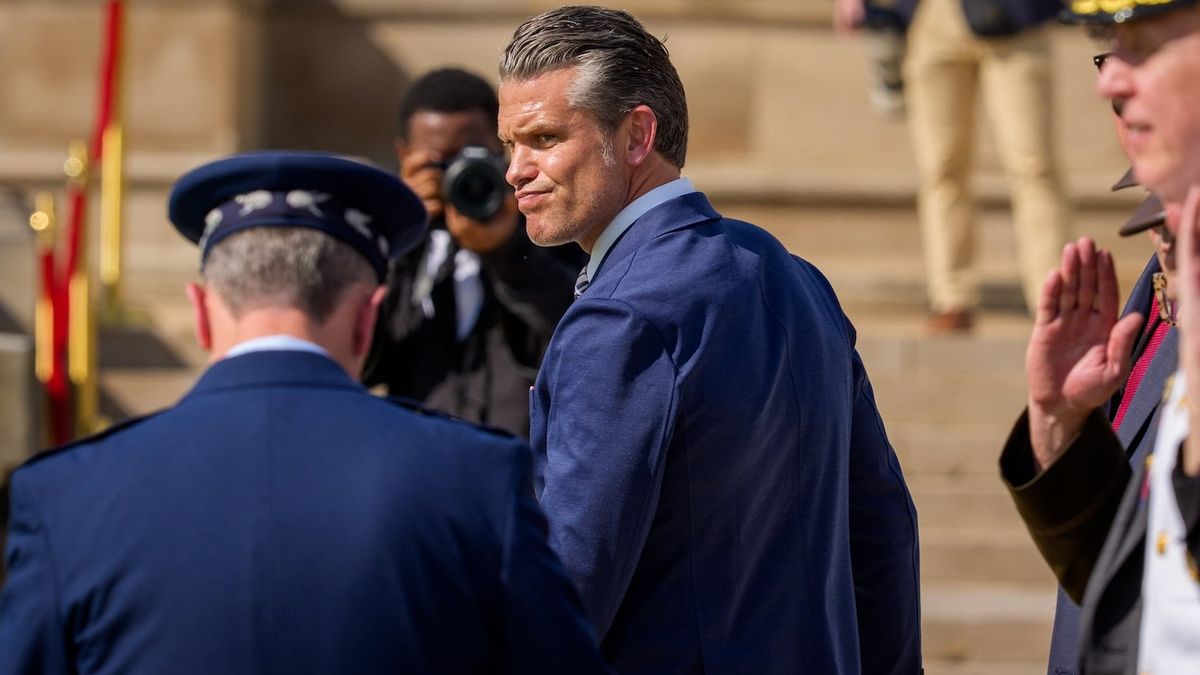
In less than two years, Pete Hegseth moved from a primetime commentator to the most powerful senior official in Donald Trump's second administration. After a narrow Senate confirmation, he launched a series of high‑profile moves: a makeup studio in the Pentagon, daily fitness briefings for senior officers, and a public‑facing “State of the Force” speech that framed the military as a lean, homogenous fighting force. Simultaneously, he helped loosen the rules of engagement that had previously constrained U.S. troops, and he played a pivotal role in convincing the president to launch a limited war against Iran. By the end of the first year, roughly ten percent of the service’s top officers had been either fired or blocked from promotion, reshaping the chain of command.
Donald Trump has long favored officials who echo his own media‑savvy, confrontational style. Hegseth’s background as a Fox News host gave him a ready‑made platform to speak directly to the president’s base, bypassing traditional bureaucratic channels. This alignment turned personal loyalty into institutional authority, allowing Hegseth to rewrite internal Pentagon norms without the usual checks from career officers.
The secretary weaponized the ongoing culture war, targeting diversity programs, transgender service, and female combat roles. By framing these issues as matters of “readiness” and “unit cohesion,” he secured support from conservative lawmakers and defense‑industry lobbyists who profit from a more uniform force structure. The resulting promotion blocks—chiefly against women and minorities—created a self‑reinforcing elite that answers only to Hegseth.
Loosening the rules of engagement served two purposes. First, it gave field commanders the latitude to act aggressively, producing short‑term tactical victories that the administration could parade as proof of competence. Second, it sidestepped the humanitarian constraints that often fuel domestic criticism, allowing the president to claim decisive action while muting public debate.
When the administration debated a limited strike on Iran, senior officials expressed caution. Hegseth’s public statements—“no stupid rules of engagement” and “politically correct wars are a waste”—provided the rhetorical cover the president needed to move forward. By positioning the conflict as a quick, decisive test, Hegseth secured the president’s confidence and locked the Pentagon into a costly, protracted engagement.
The purge of senior officers and the overt hostility toward diversity have eroded trust within the ranks. Junior officers report feeling “watched” and “unwelcome,” leading to higher attrition rates among qualified women and LGBTQ+ personnel. The fitness‑first narrative also pressures soldiers to meet increasingly unrealistic physical standards, raising injury rates and medical costs.
Families of deployed troops face longer, more ambiguous missions in Iran and its periphery. The lack of clear engagement rules translates into unpredictable casualty reports, making it harder for loved ones to plan for the future. Communities near military bases see a shift in recruitment drives that now prioritize “hard‑core” physical profiles over community outreach, reducing civilian‑military integration.
The internal culture war has funneled billions into new recruitment advertising, fitness facilities, and “morale‑building” programs that prioritize image over capability. Simultaneously, the Iran war has driven up operational expenditures, diverting funds from modernization projects in the Indo‑Pacific—an area where U.S. strategic interests are already under pressure.
Official statements celebrate Hegseth’s “fresh perspective” and “battle‑tested leadership,” while downplaying the systematic removal of officers who disagree with him. Press releases highlight short‑term battlefield successes, omitting the long‑term degradation of strategic planning expertise within the war colleges.
Major defense firms have quietly benefited from the push for new drones, fitness‑related equipment, and rapid‑deployment units. Their lobbying efforts are rarely mentioned in mainstream coverage, even as they secure multi‑billion contracts that lock in a more aggressive, technology‑first posture.
Allies in Asia watch the Pentagon’s internal turmoil with concern, fearing a weakened U.S. commitment to collective security. Meanwhile, Iran exploits the war’s domestic unpopularity to rally regional support, using the conflict as propaganda to portray the United States as reckless and out of control.
- The next round of senior‑officer promotion lists will reveal whether Hegseth’s purge continues or faces congressional pushback.
- Congressional hearings on the Iran war budget are likely to surface hidden cost estimates and may trigger a bipartisan effort to rein in the secretary’s authority.
- Watch for shifts in defense‑industry lobbying filings; a spike in contracts for “readiness‑enhancement” programs could signal deeper entrenchment of Hegseth’s agenda.
- Internationally, monitor how U.S. allies in the Indo‑Pacific adjust their force postures in response to a Pentagon preoccupied with internal culture battles.
- Finally, keep an eye on public opinion polls regarding military recruitment and the Iran conflict—rising discontent could force the administration to recalibrate its approach before the next election cycle.
His media background matched President Trump's style, giving him direct access and a platform to bypass traditional defense bureaucracy. He leveraged that trust to reshape promotion processes and policy priorities.
It allows faster, more aggressive actions that can produce short‑term wins but raises civilian casualties, fuels domestic criticism, and undermines long‑term strategic planning.
Source referenced: FOREIGNPOLICY
This brief was synthesized by our Editorial Engine and reviewed by The Ground Narrative team.