TRENDING

Monday, 5 October 2026
----------------------
24 Rabi' Al-Thani 1448 AH
Luigi Mangione's guilty plea to federal charges in the killing of UnitedHealthcare CEO Brian Thompson sheds light on a complex case of calculated violence. As the trial unfolds, questions arise about the intersection of mental health, societal pressures, and the dark side of obsession. The case has sparked concerns about the vulnerability of high-profile executives and the blurred lines between personal grievances and violent acts.
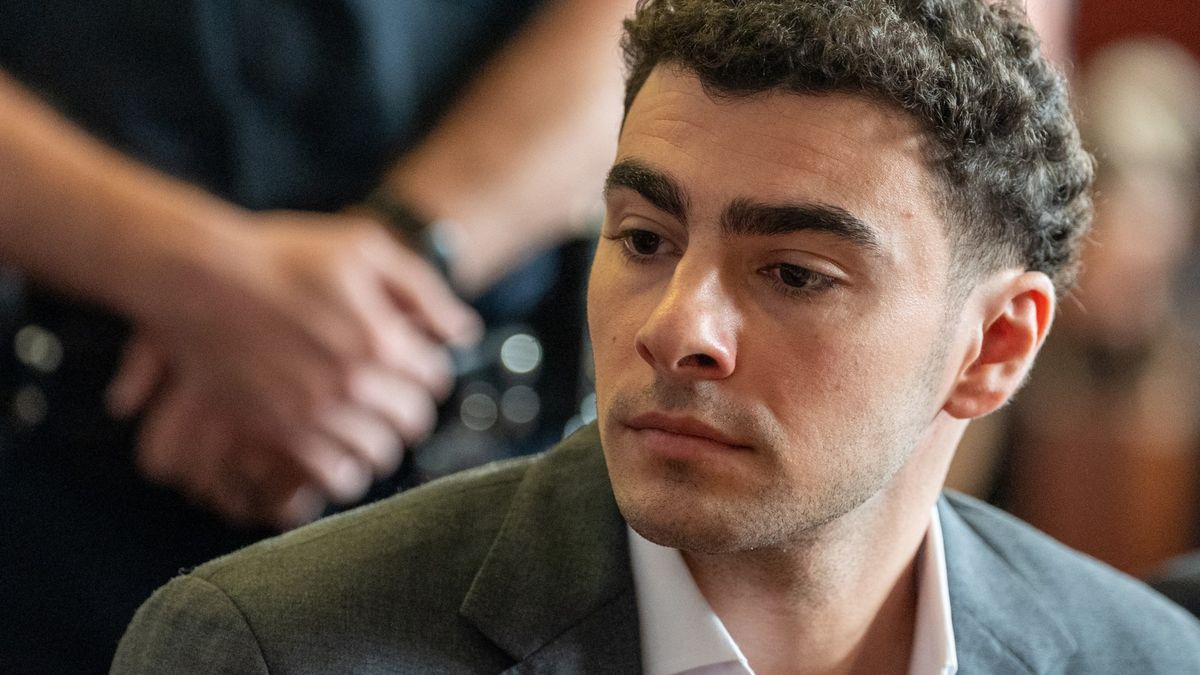
Luigi Mangione, a 28-year-old individual, has pleaded guilty to federal charges related to the killing of UnitedHealthcare CEO Brian Thompson. The incident occurred in December 2024, when Thompson was fatally shot on a New York City street. Mangione was taken into custody five days later at a McDonald's restaurant in Pennsylvania.
The case highlights the complexities of the US justice system, where federal and state charges can coexist, leading to potential double-jeopardy issues. Mangione's attorneys argue that their client has been treated unfairly, facing both federal and state charges for the same offense. This raises questions about the efficiency and fairness of the justice system, particularly in high-profile cases. The involvement of federal authorities and the pursuit of maximum punishment also underscore the gravity of the offense and the need to deter similar acts of violence.
The human impact of this incident is profound, with Thompson's family bearing the brunt of the tragedy. The CEO's killing has left a void in the lives of his loved ones, and the community is still grappling with the senseless act of violence. As the case progresses, it is essential to consider the broader implications of such incidents on the families of victims and the potential long-term effects on their well-being.
What is being downplayed in this case is the potential link between Mangione's actions and the societal pressures that may have contributed to his descent into violence. The fact that Mangione researched UnitedHealthcare's annual investor conference and targeted Thompson suggests a level of calculation and premeditation. However, the underlying motivations and potential triggers for such behavior are not being fully explored. The case raises questions about the role of mental health, social isolation, and the impact of societal expectations on individuals, particularly in the context of high-pressure environments like the healthcare industry.
As the case unfolds, readers should watch for the outcome of the state-level trial, which may be dismissed under New York's double-jeopardy law. The federal sentencing, set for December 18, will also be a crucial milestone in the case. Furthermore, it is essential to monitor the broader implications of this incident on the healthcare industry, particularly in terms of executive security and the potential for copycat attacks. The case serves as a reminder of the need for increased awareness and support for mental health initiatives, as well as the importance of addressing societal pressures that can contribute to violent behavior.
Editor's Note: The analysis is based on publicly available information and may not reflect the full complexity of the case.
Source referenced: ALJAZEERA
This brief was synthesized by our Editorial Engine and reviewed by The Ground Narrative team.