TRENDING

Wednesday, 14 October 2026
----------------------
3 Jumada Al-Awwal 1448 AH
Ukrainian President Volodymyr Zelenskyy has initiated a significant government reshuffle, including the resignation of Prime Minister Yulia Svyrydenko, driven by a confluence of diplomatic necessities, domestic challenges, and a strategic consolidation of presidential power. This move aims to bolster critical international partnerships, particularly with the United States, while addressing internal governance and military issues amidst ongoing conflict.
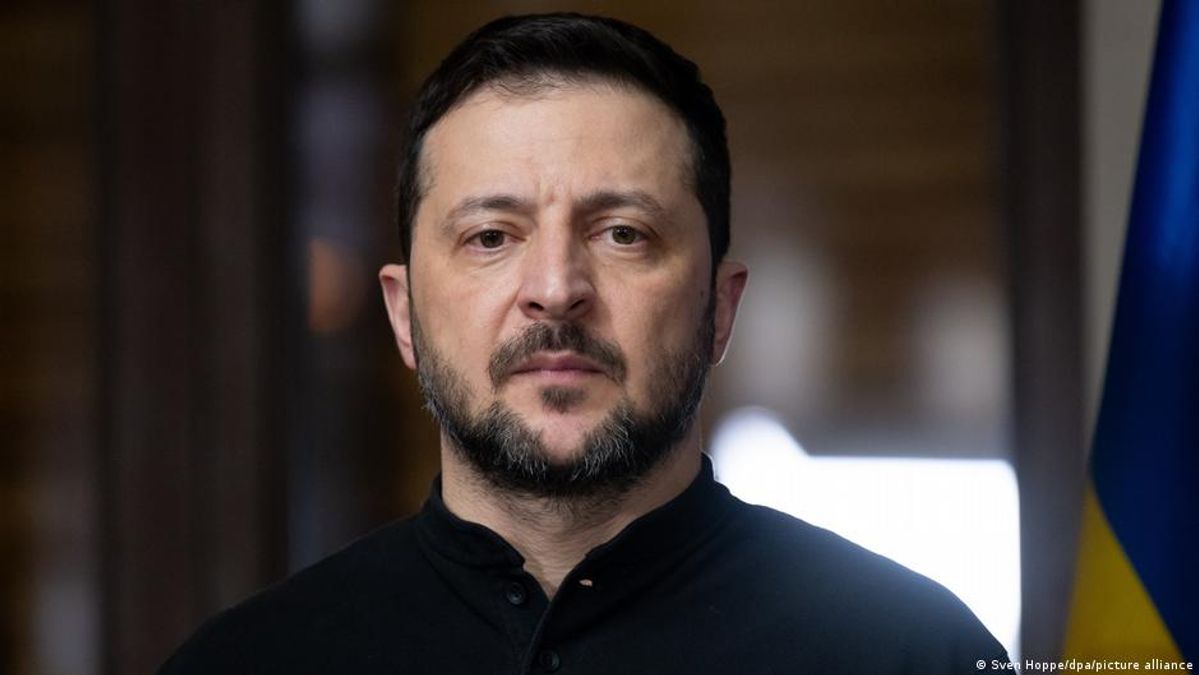
Ukraine's political landscape has seen a significant shift with the recent approval by parliament of the resignation of Prime Minister Yulia Svyrydenko and her entire government. This development, announced by President Volodymyr Zelenskyy on social media on Sunday and formally approved on Tuesday, signals a strategic overhaul of the executive branch at a critical juncture in the nation's conflict with Russia. The reshuffle is understood to be driven by a complex interplay of diplomatic imperatives, domestic governance challenges, and an apparent effort by President Zelenskyy to consolidate power and streamline his administration's effectiveness.
A primary catalyst for the government change appears to be the urgent need to reinforce Ukraine's diplomatic standing, particularly with its most crucial international partner, the United States. Reports suggest that the current Ukrainian Ambassador to the United States, Olga Stefanishyna, is under investigation by anti-corruption authorities for activities predating her appointment. This situation, coupled with rumors of her potential resignation, likely prompted a swift response from Kyiv. Political analysts, such as Ihor Reiterovych of Taras Shevchenko National University, indicate that signals from Washington may have underscored the need for a change to avoid a diplomatic scandal.
In this context, President Zelenskyy's offer of a new, significant role to former Prime Minister Svyrydenko, widely reported to be the ambassadorship to the United States, is a strategically calculated move. Svyrydenko is perceived as a strong candidate due to her established contacts and successful cooperation with American counterparts, notably on raw materials agreements. Ensuring a robust and untainted diplomatic channel with the U.S. is paramount for Ukraine, as Washington remains the largest provider of military, financial, and humanitarian aid, indispensable for Ukraine's defense and economic stability.
The reshuffle also serves to address pressing domestic concerns, particularly those related to the armed forces and energy sector. Recent investigative reports have exposed troubling instances of torture, cruel treatment of recruits, and cover-ups of non-combat deaths within the military. Concurrently, inspections into irregularities in conscription and the draft have revealed that many mobilized men were medically unfit for service. These scandals threaten to tarnish President Zelenskyy's reputation as commander-in-chief and could erode public trust at a time when national unity is vital.
By rotating personnel, Zelenskyy may seek to divert attention from these military issues and signal a commitment to accountability and reform. Furthermore, the inclusion of energy specialists like Sergii Koretskyi, head of the state-owned energy company Naftogaz, and First Deputy Prime Minister and Energy Minister Denys Shmyhal among potential candidates for prime minister underscores the critical importance of resolving Ukraine's energy challenges. With Russian forces frequently targeting Ukraine's energy infrastructure, ensuring energy security and efficient management is a strategic imperative for national resilience.
Beyond immediate diplomatic and domestic concerns, the government reshuffle appears to be a deliberate effort by President Zelenskyy to strengthen his control over the executive branch. Political scientist Oleksiy Haran suggests that the move is linked to the departure of Andriy Yermak, the former influential head of the office of the president. In a system without Yermak's direct influence, Svyrydenko, who was part of his inner circle, may have become redundant as a policy executor, despite her loyalty to Zelenskyy.
This reshuffle allows Zelenskyy to assert his authority and ensure that the government aligns more closely with his vision and directives. While Ukraine operates under a parliamentary system where forming the government is formally the prerogative of parliament, observers like Ihor Reiterovych note that the legislature is often expected to endorse the president's chosen candidates. This dynamic highlights a broader trend of presidential power consolidation, where Zelenskyy seeks to demonstrate his firm grip on national leadership, even if it means navigating constitutional nuances.
The comprehensive overhaul of Zelenskyy's leadership team, as described by Volodymyr Fesenko of the Penta Center for Applied Political Research, extends beyond the cabinet to include planned personnel decisions in law enforcement agencies. This holistic approach suggests a desire for a more cohesive and loyal administration capable of navigating the complexities of wartime governance.
For Ukraine's international partners, the reshuffle carries significant implications. While a stable and effective government is crucial, the perception of political infighting or instability could raise concerns. However, if the changes lead to a more efficient, less corrupt, and diplomatically robust administration, it could reinforce international confidence in Ukraine's leadership and its ability to manage the war effort effectively. The emphasis on anti-corruption, particularly in the context of the US ambassadorship, is a direct response to a key demand from Western allies, signaling Ukraine's commitment to good governance even under extreme pressure. The coming weeks will reveal how the Ukrainian parliament asserts its independence in confirming new government posts, potentially making the current session particularly eventful.
Source referenced: DW
This brief was synthesized by our Editorial Engine and reviewed by The Ground Narrative team.