TRENDING

Thursday, 15 October 2026
----------------------
4 Jumada Al-Awwal 1448 AH
President Zelensky's decision to replace Prime Minister Svyrydenko and reshuffle his government signals a strategic recalibration of Ukraine's wartime priorities. This move, potentially including a high-profile diplomatic appointment to the U.S., aims to enhance governance efficiency, combat corruption, and strengthen vital international alliances.
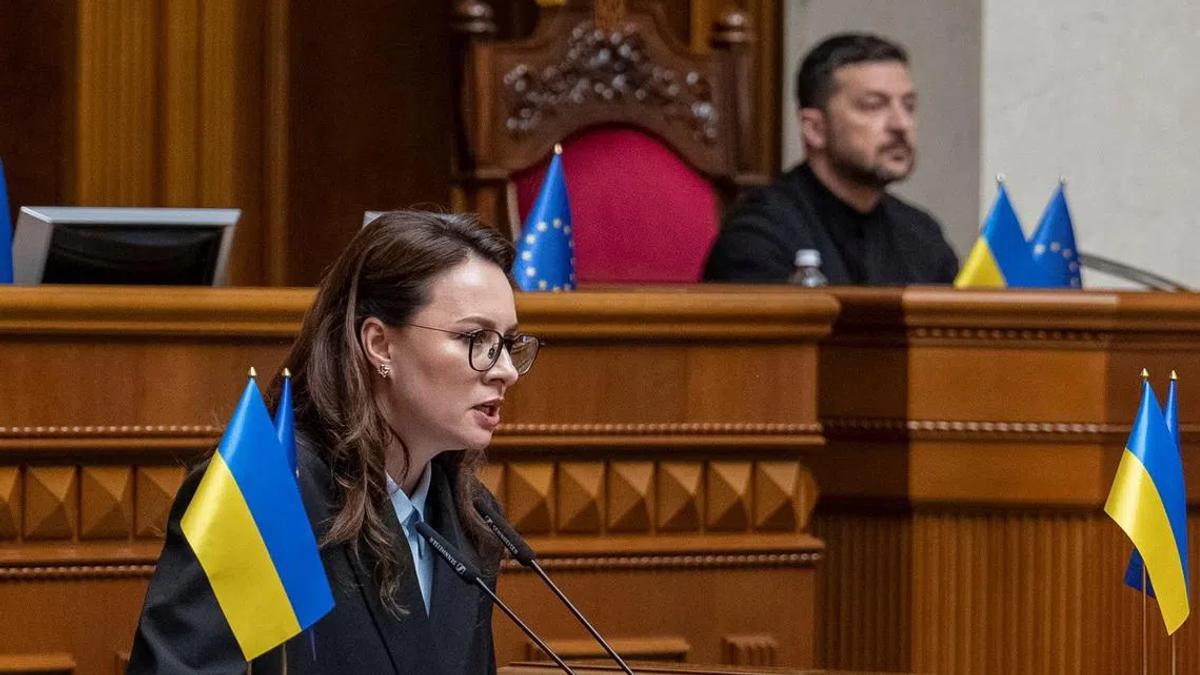
On July 12, 2026, Ukrainian President Volodymyr Zelensky announced his intention to replace Prime Minister Yulia Svyrydenko, a move that signals a significant strategic recalibration within Kyiv's wartime administration. This decision, which also entails a broader government reshuffle and changes among the heads of law enforcement agencies, underscores Ukraine's ongoing efforts to adapt its governance structures to the complex demands of sustained conflict, international diplomacy, and post-war planning.
President Zelensky articulated the need for these governmental adjustments to “ensure the implementation of an updated political strategy,” though specific details of this new strategy were not immediately disclosed. This broad statement, however, can be interpreted through several critical lenses pertinent to Ukraine's current geopolitical standing. Firstly, in the context of an active war, efficiency and adaptability in governance are paramount. A cabinet reshuffle could be aimed at streamlining decision-making processes, optimizing resource allocation for the war effort, or enhancing the effectiveness of defense procurement and military logistics. The mention of changes in law enforcement leadership further suggests a potential renewed focus on internal security, combating corruption, or strengthening the rule of law – areas frequently highlighted by Ukraine's Western partners as crucial for aid and eventual European Union integration.
Secondly, the proposed new role for Prime Minister Svyrydenko offers a compelling insight into Kyiv's diplomatic priorities. Opposition lawmaker Yaroslav Zhelezniak indicated that Svyrydenko is likely to be appointed as Ukraine's Ambassador to the United States. If confirmed, this would represent a substantial elevation of Ukraine's diplomatic representation in Washington. Given Svyrydenko's experience as Prime Minister, her appointment to such a critical diplomatic post would signal Kyiv's intent to deepen and strengthen its relationship with its most vital international ally. This move could facilitate higher-level engagement, more effective advocacy for military and financial aid, and closer coordination on strategic policy, all of which are indispensable for Ukraine's defense and long-term recovery.
Under Ukrainian law, the resignation of the Prime Minister necessitates parliamentary approval and triggers the resignation of the entire government. This process ensures a comprehensive review and potential overhaul of the cabinet, allowing the President to reconstitute his team to align with the “updated political strategy.” While President Zelensky did not name Svyrydenko's successor, several prominent figures have been mentioned by lawmakers as potential candidates. These include Denys Shmyhal, Svyrydenko’s predecessor and current Energy Minister; Mykhailo Fedorov, the Defence Minister; and Sergii Koretskyi, head of the state energy company Naftogaz. Each of these individuals brings a distinct set of experiences, from energy sector management to defense and digital transformation, suggesting that the choice of the next Prime Minister will reflect specific strategic priorities for the coming period.
The timing of this reshuffle, amidst ongoing conflict, underscores the critical need for stable yet adaptable leadership. For Ukraine's international partners, particularly those providing substantial military and financial assistance, a clear and effective government is essential. While any period of transition can introduce a degree of uncertainty, a strategic reshuffle aimed at enhancing efficiency, combating corruption, and strengthening key diplomatic ties is likely to be viewed positively by allies. The potential appointment of a former Prime Minister to the U.S. ambassadorship, in particular, highlights Ukraine's proactive approach to maintaining robust international support, recognizing the pivotal role of Washington in its survival and reconstruction efforts.
Domestically, the changes in law enforcement leadership could be a direct response to persistent calls for greater accountability and transparency, both from within Ukraine and from international bodies. Addressing corruption remains a cornerstone of Ukraine's reform agenda and a prerequisite for its aspirations for European integration. By making these changes, President Zelensky aims to project an image of decisive leadership committed to internal reforms even as the nation battles an external aggressor.
This governmental reshuffle is more than a routine administrative change; it is a strategic maneuver designed to fortify Ukraine's resilience and advance its objectives on both the battlefield and the diplomatic front. The emphasis on an “updated political strategy” suggests a forward-looking approach, anticipating not only the immediate needs of the war but also the complex challenges of post-conflict reconstruction and long-term national development. The coming weeks will reveal the full composition of the new government and the specific policy directions it intends to pursue, offering further clarity on Ukraine's evolving strategic priorities in a defining period of its history.
Source referenced: STRAITSTIMES
This brief was synthesized by our Editorial Engine and reviewed by The Ground Narrative team.


