TRENDING

Thursday, 15 October 2026
----------------------
4 Jumada Al-Awwal 1448 AH
The long-simmering conflict in Yemen has intensified, with Houthi rebels launching missile and drone attacks deep into Saudi Arabia, targeting critical infrastructure and cities. This escalation comes as the Saudi-led coalition responds with strikes in Yemen, further exacerbating a dire humanitarian crisis.
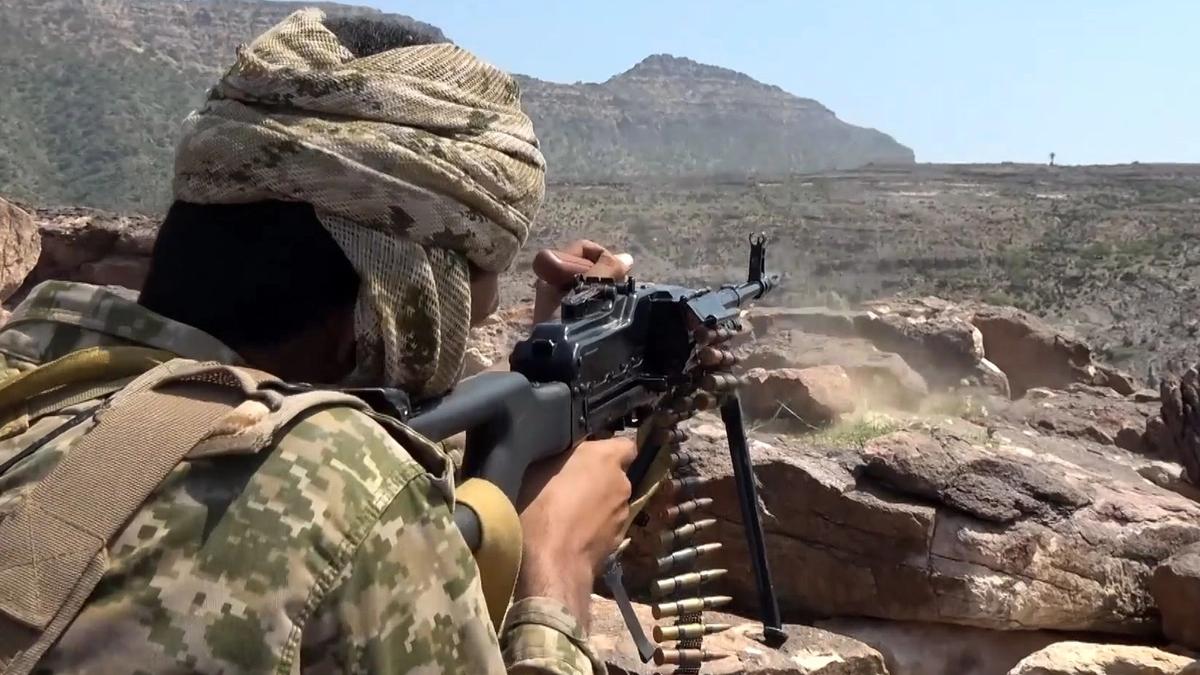
Fighting in Yemen has sharply intensified, marking a significant breakdown of the 2022 ceasefire. Houthi rebels, also known as Ansar Allah, have launched a series of sophisticated drone and missile attacks targeting key sites deep within Saudi Arabia. These strikes have hit Riyadh's King Khalid International Airport, causing casualties and flight cancellations, and have also targeted the Saudi Aramco headquarters in Dhahran, as well as other airports like Abha and even the holy city of Medina. In response, the Saudi-led coalition has escalated its aerial bombardment of Sanaa, the Houthi stronghold in Yemen, while Yemeni government forces have launched a counteroffensive, dubbed "Dawn of Yemen," to reclaim strategically vital coastal territories near the Bab al-Mandeb strait.
The escalation in Yemen is not merely a localized conflict but a critical theater in a broader regional power struggle, primarily between Saudi Arabia and Iran. The Houthis, backed by Iran, are leveraging asymmetric warfare to challenge Saudi Arabia's conventional military superiority and its regional dominance. By striking deep into Saudi territory, the Houthis aim to inflict economic pain and political embarrassment, forcing Riyadh to reconsider its involvement in Yemen.
The Bab al-Mandeb strait, a narrow waterway connecting the Red Sea to the Gulf of Aden, is central to these power dynamics. It is one of the world's most vital maritime trade chokepoints, through which a significant portion of global oil and commercial shipping passes. Houthi control or even the threat of disruption to this strait grants them immense leverage, not just against Saudi Arabia but with international implications. The Saudi cabinet's pledge to protect "freedom of navigation in the Red Sea and Bab al-Mandeb strait" underscores the critical economic and security interests at stake for the kingdom and its allies.
The Houthis' strategy is to exploit Saudi Arabia's vulnerabilities. Despite its vast military budget and advanced weaponry, Saudi Arabia's sprawling infrastructure, particularly its oil facilities and airports, presents numerous targets for drone and missile attacks. These attacks, while sometimes intercepted, demonstrate the Houthis' growing capabilities and their willingness to escalate. The disruption to air traffic, the uncertainty around major international events like the "Davos in the Desert" investment conference and the FIFA World Cup 2034 preparations, directly undermine Crown Prince Mohammed bin Salman's ambitious Vision 2030, which relies heavily on projecting an image of stability and modernity. The Houthis are effectively signaling that Saudi Arabia's economic future is inextricably linked to the conflict in Yemen.
For Iran, supporting the Houthis is a cost-effective way to exert pressure on Saudi Arabia and challenge its influence in the Arabian Peninsula. It ties down Saudi resources and attention, creates a credible threat to Saudi security, and offers a platform to project power without direct confrontation. For the Saudi-backed Yemeni government forces, the fight is about reclaiming sovereignty and preventing the Houthis from consolidating control over key regions and resources. The back-and-forth nature of the ground fighting, particularly in strategically important areas like Taiz and the Red Sea coast, reflects a protracted struggle for territorial and political dominance, with neither side able to deliver a decisive blow.
While the headlines focus on missile interceptions and economic disruptions in Saudi Arabia, the most profound and enduring costs of this intensified conflict are borne by the ordinary people of Yemen. The war, now in its ninth year, has created one of the world's worst humanitarian crises, and the recent escalation is pushing an already fragile population to the brink.
The city of Taiz, a government-held enclave besieged by Houthi fighters, exemplifies the brutal human cost. Reports indicate severe shortages of fuel, gas, and other essential supplies, with wheat flour stocks nearly exhausted according to the United Nations World Food Programme (WFP). This siege has cut off vital supply lines, trapping civilians and denying them access to basic necessities, turning daily life into a desperate struggle for survival. The strategic importance of Taiz, nestled between mountains and controlling access to the Red Sea coast, means the fighting there is relentless, with civilians caught in the crossfire.
Front-line hospitals across Yemen, particularly in Marib, Taiz, and along the Red Sea coast, are registering unprecedented numbers of weapon-wounded patients. The Red Cross reported some facilities admitting over 700 casualties in a single week, a stark indicator of the ferocity of the fighting and the indiscriminate nature of modern warfare. These are not just statistics; they represent lives shattered, families torn apart, and a healthcare system pushed past its breaking point.
Beyond direct casualties, the war has systematically dismantled Yemen's economy and social fabric. The closure of Sanaa International Airport for years, a direct consequence of the conflict, has severed a vital link for humanitarian aid and civilian travel, isolating millions. The constant threat of violence, the destruction of infrastructure, and the displacement of populations have created a generation scarred by conflict, with limited access to education, healthcare, or economic opportunities. The disruption of shipping routes, even if temporary, further exacerbates food insecurity and inflates prices, making life unbearable for the majority of Yemenis who rely on imports for survival.
The human cost is also felt in Saudi Arabia, albeit on a different scale. Houthi attacks on Riyadh's King Khalid International Airport killed 14 people and wounded over 300, while two more were killed at Abha International Airport. These are direct civilian casualties of a conflict that has now undeniably spilled beyond Yemen's borders, bringing the violence to the doorsteps of ordinary Saudi citizens who previously felt insulated from the war.
In the official statements and diplomatic communiqués surrounding the Yemen war escalation, several critical aspects are often downplayed, omitted, or framed in ways that obscure the full picture of power dynamics and human suffering.
The 2022 ceasefire, widely hailed as a diplomatic achievement, was always a fragile pause rather than a fundamental resolution. What is often downplayed is that this ceasefire did not address the core political grievances, power imbalances, or the underlying regional rivalries that fuel the conflict. It provided a temporary respite but failed to build a sustainable framework for peace, leaving the conditions ripe for renewed violence. The current escalation reveals the inherent weakness of a ceasefire that lacked genuine political will for a comprehensive settlement.
Saudi Arabia projects an image of strength, stability, and rapid modernization through initiatives like Vision 2030 and its hosting of mega-events. However, the Houthi attacks expose a profound vulnerability. Despite massive investments in defense, including advanced missile defense systems, Saudi Arabia's critical economic infrastructure and urban centers remain susceptible to relatively low-cost drone and missile strikes. The narrative of a secure, modernizing kingdom is challenged when its capital's airport is shut down and its major investment conferences are threatened. This paradox—immense wealth and military power juxtaposed with a surprising inability to fully secure its borders and economic future from a non-state actor—is rarely acknowledged by Riyadh.
The scale of the humanitarian catastrophe in Yemen has long been overshadowed by other global crises. The international community's response has often been characterized by selective engagement and a lack of sustained pressure on all parties to the conflict. What is omitted is the collective failure of powerful nations to prioritize a lasting political solution over their own strategic interests or arms sales. The suffering of Yemenis often becomes a footnote in geopolitical discussions, rather than a central driver of international policy, allowing the conflict to fester with devastating consequences.
While the Houthis are undeniably "Iran-aligned," the extent of Iran's direct command and control versus strategic support is often oversimplified. The Houthis are a complex, indigenous movement with their own political agenda, local grievances, and a long history of resisting central authority. Framing them solely as an Iranian proxy downplays their internal motivations, their popular support in certain regions of Yemen, and their independent capacity to wage war. This simplification can obscure potential avenues for negotiation that might acknowledge their legitimate political aspirations.
As the Yemen war escalation continues, several key indicators will reveal the trajectory of the conflict and its broader regional impact.
- The Bab al-Mandeb Strait: Any significant escalation of Houthi attacks on shipping in or around this vital chokepoint would draw immediate and intense international attention, potentially leading to a more direct intervention by global naval powers concerned about freedom of navigation and global trade. Watch for any sustained disruption of commercial traffic.
- Saudi Arabia's Response: Riyadh faces a critical choice: further military escalation to deter Houthi attacks, or a renewed push for diplomatic solutions that might require significant concessions. How Crown Prince Mohammed bin Salman balances security concerns with his Vision 2030 ambitions will be crucial. Look for shifts in Saudi rhetoric or new diplomatic overtures, possibly through intermediaries like Oman.
- Humanitarian Access and Aid: The worsening humanitarian situation, particularly in besieged areas like Taiz, demands urgent attention. Monitor reports from the UN and aid organizations regarding access for humanitarian convoys and the availability of essential supplies. A further deterioration could trigger a more robust international outcry, though past experience suggests this is not guaranteed.
- Regional Diplomatic Shifts: The Yemen conflict is intertwined with the broader Iran-Saudi rivalry. Any progress or setbacks in wider regional de-escalation efforts, such as direct talks between Riyadh and Tehran, could have a significant impact on the Yemen front. Observe any high-level meetings or unexpected diplomatic breakthroughs involving regional powers.
- International Pressure: Will the mounting civilian casualties in both Yemen and Saudi Arabia, coupled with the economic disruption, finally galvanize more concerted international pressure for a durable peace settlement? Watch for coordinated statements or actions from major global powers, beyond mere condemnation, that demand a cessation of hostilities and a return to meaningful negotiations.
The recent escalation stems from the breakdown of a 2022 ceasefire, leading to intensified fighting between Houthi rebels and Saudi-backed Yemeni government forces. Houthi drone and missile attacks on Saudi Arabia, coupled with Saudi-led coalition strikes in Yemen, have further fueled the conflict.
Civilians in Yemen face a dire humanitarian crisis, with cities like Taiz under siege, experiencing severe shortages of food, fuel, and medical supplies. In Saudi Arabia, Houthi attacks on airports have resulted in civilian casualties and significant disruption to daily life and economic activities.
The Bab al-Mandeb strait is a crucial global maritime chokepoint for oil and commercial shipping. Houthi threats or control over this waterway give them significant leverage, impacting international trade and prompting Saudi Arabia to vow protection of navigation freedom, highlighting its strategic value.
Source referenced: ALJAZEERA
This brief was synthesized by our Editorial Engine and reviewed by The Ground Narrative team.