TRENDING

Sunday, 4 October 2026
----------------------
23 Rabi' Al-Thani 1448 AH
US President Donald Trump has warned Iran that the 'clock is ticking' as peace progress stalls, sparking concerns about the future of the war-torn region.
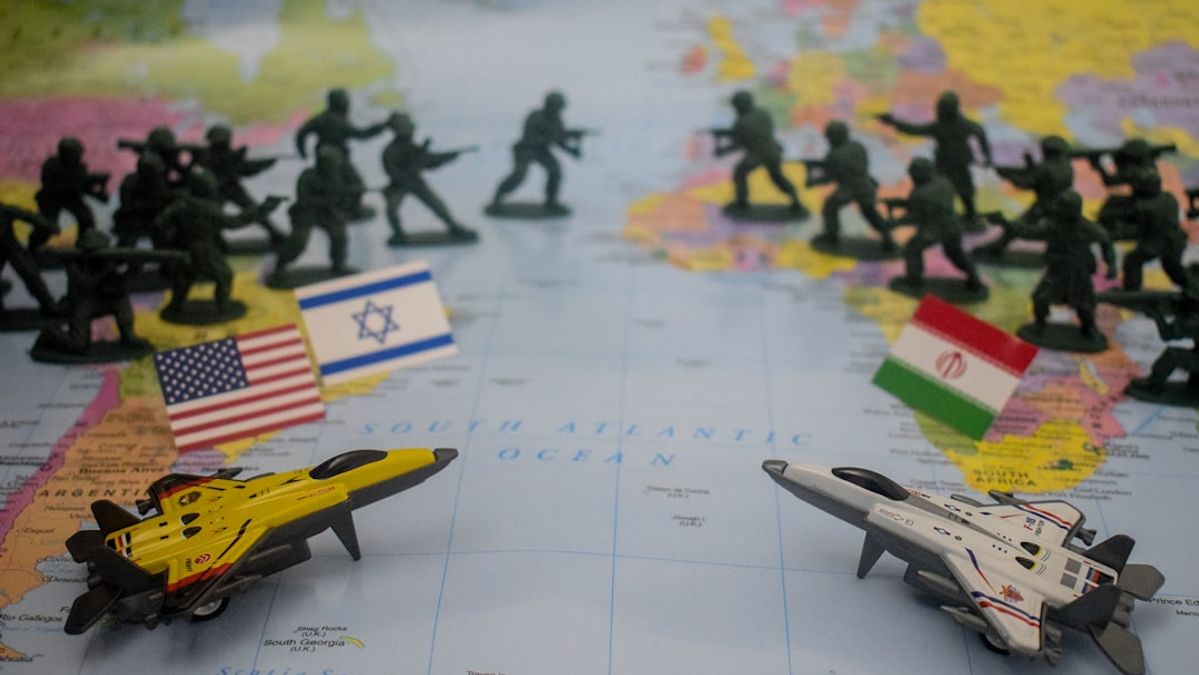
The ongoing conflict between the US and Iran has been a major point of contention in the Middle East for years. The latest development in this saga is US President Donald Trump's warning to Iran that the 'clock is ticking' as peace progress stalls. This warning comes as the two sides are still far apart on key issues, including the terms of a potential ceasefire and the future of Iran's nuclear program.
The US has been seeking to limit Iran's nuclear program for years, and has imposed a range of sanctions on the country in an effort to achieve this goal. However, Iran has consistently maintained that its nuclear program is for peaceful purposes, and has refused to give up its right to develop nuclear energy.
The current conflict between the US and Iran is a continuation of this long-standing dispute, and is likely to be resolved through a combination of diplomacy and military action. The US has already launched a series of airstrikes against Iranian targets, and has imposed a blockade on Iranian ports in an effort to exert pressure on the country.
The conflict between the US and Iran has significant implications for the region, and could potentially lead to a wider war. The US has already imposed a range of sanctions on Iran, and has threatened to take further action if the country does not agree to a deal.
Iran, on the other hand, has vowed to continue its nuclear program, and has threatened to retaliate against any US military action. The country has also continued to control the Strait of Hormuz, effectively closing the vital waterway through which around 20% of the world's oil and liquefied natural gas travels.
The warning from Trump to Iran that the 'clock is ticking' as peace progress stalls is a clear indication of the US's willingness to use military force to achieve its goals. However, the conflict between the US and Iran is complex and multifaceted, and is likely to be resolved through a combination of diplomacy and military action.
The future of the region is uncertain, and the consequences of a wider war could be severe. However, it is clear that the US and Iran are far apart on key issues, and that a resolution to the conflict will require significant concessions from both sides.
Source referenced: BBC
This brief was synthesized by our Editorial Engine and reviewed by The Ground Narrative team.


