TRENDING

Thursday, 22 October 2026
----------------------
11 Jumada Al-Awwal 1448 AH
US President Donald Trump's approach to the Levant, centered on backing strongmen and centralizing state power, may prove to be a flawed strategy, as the region's history suggests that such efforts have led to fragility and instability.
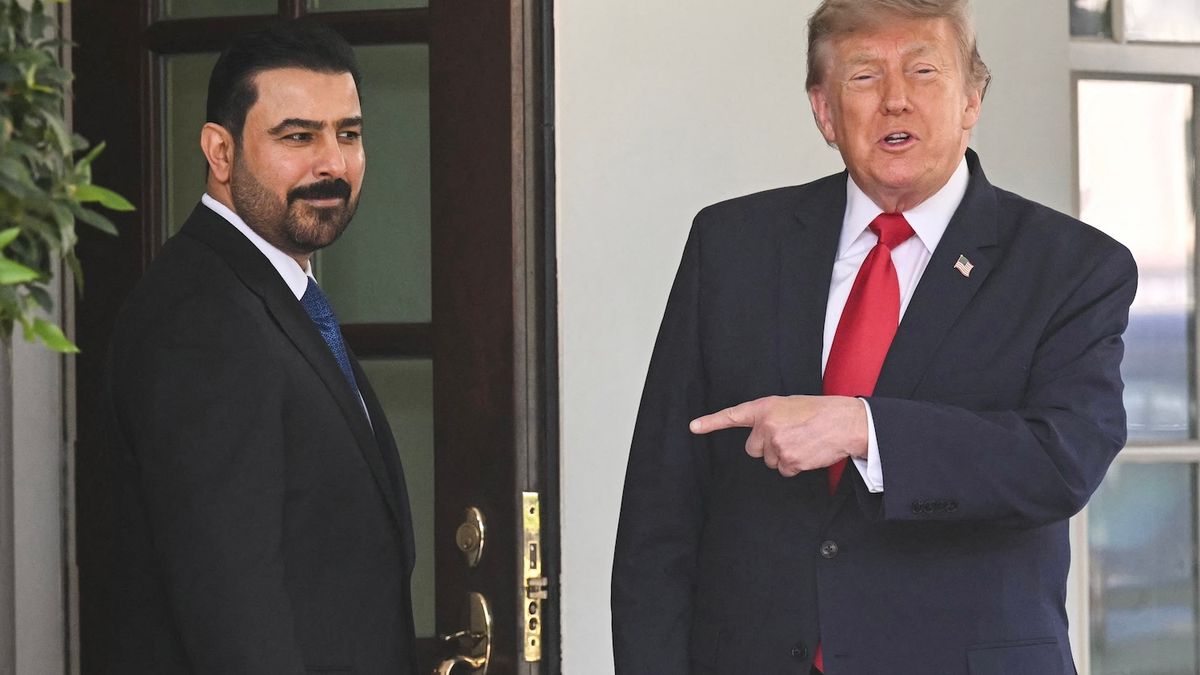
US President Donald Trump's recent meetings with leaders from Iraq, Syria, and Lebanon have sparked a new approach to the Levant, one that prioritizes strongmen and centralized state power. This strategy, cultivated by Trump's envoy Tom Barrack, aims to identify leaders who can advance US interests by pushing back against Iranian influence and opening their economies to American business.
However, the region's history suggests that this approach may be a recipe for disaster. Strongmen like Saddam Hussein and the Assads have delivered fragility and instability, rather than stability and prosperity. The experience of Saddam in Iraq, who centralized power to the point of ruinous wars, serves as a cautionary tale. Similarly, the Assads' coercive apparatus in Syria hollowed out institutions and drove Syrians to revolt.
Syria has become a template for Trump's strongman doctrine. President Ahmed al-Sharaa's image has changed dramatically since the days when he had a $10 million bounty on his head. Trump's administration has removed sanctions and terrorist designations, and Sharaa has proposed a Trump Tower in Damascus, detente with Israel, and cooperation to enable US access to Syria's oil and gas. However, this approach has been met with skepticism, as the region's history suggests that centralizing power will only lead to further instability.
In Lebanon, the Trump administration has backed President Joseph Aoun, who has committed to disarming Hezbollah and rolling back Iran's foothold in the country. However, this approach has been met with resistance, as the Lebanese people have long been wary of US interference in their internal affairs.
In Iraq, the search for Washington's man began with a veto. After the November 2025 elections, the ruling Shiite Coordination Framework spent months deadlocked before nominating former Prime Minister Nouri al-Maliki. Trump, considering him to be far too close to Tehran, publicly vetoed the candidacy. The resulting pressure led to the nomination of Ali al-Zaidi, a 40-year-old banker with no political base and no experience of government. Zaidi's weakness was his appeal, as Baghdad's ruling elites saw a compromise candidate who would implement their policy rather than act independently.
The Trump administration's strongman doctrine has been tried before in these very countries—and failed. The region's history is filled with strongmen who delivered fragility, rather than stability and prosperity. It remains to be seen whether this approach will prove to be a recipe for disaster, but one thing is certain: the region's history suggests that it will.
The Trump administration's approach to the Levant, centered on backing strongmen and centralizing state power, may prove to be a flawed strategy. The region's history suggests that such efforts have led to fragility and instability, rather than stability and prosperity. As the US continues to navigate the complex web of alliances and rivalries in the Middle East, it would do well to remember the lessons of the past and adopt a more nuanced approach to the region.
Editor's Note: The analysis is based on the available information and historical context, but the outcome of the Trump administration's approach to the Levant remains uncertain.
Source referenced: FOREIGNPOLICY
This brief was synthesized by our Editorial Engine and reviewed by The Ground Narrative team.