TRENDING

Thursday, 15 October 2026
----------------------
4 Jumada Al-Awwal 1448 AH
President Trump's efforts to seal a deal to end the war with Iran have reached a critical juncture, but the emerging agreement has exposed the president to fierce criticism and raised concerns about its long-term implications.
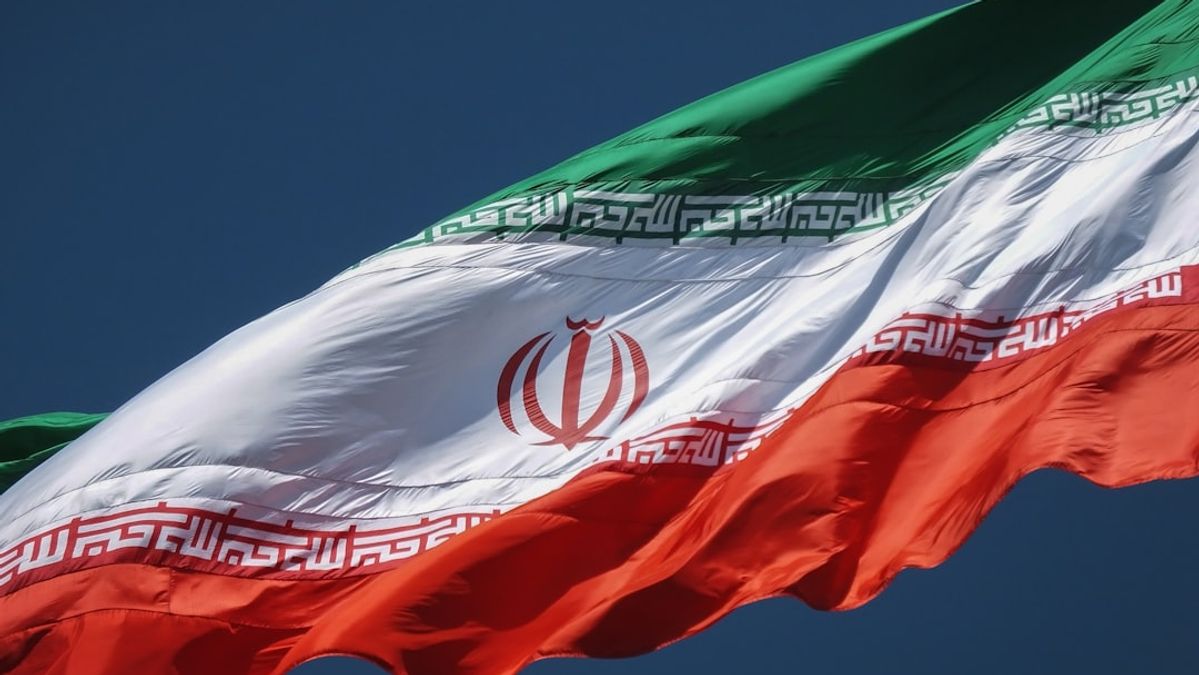
President Trump's meeting with his Cabinet on Wednesday marks a crucial moment in the ongoing negotiations with Iran aimed at ending the war. The emerging deal has already sparked intense debate, with critics arguing that it favors Tehran and emboldens its hardline leaders. The deal's uncertain fate raises questions about the future of the conflict and the implications for regional stability.
The potential agreement, which has been the subject of intense speculation, appears to involve several key concessions from the United States. Tehran would agree to give up its stockpile of highly enriched uranium, a key demand of the Trump administration, in return for sanctions relief. However, the deal's terms have been criticized by some of Trump's own allies, who argue that they resemble the nuclear agreement reached with Iran by former President Barack Obama.
The deal's impact on regional stability is a major concern. Iran's hardline leaders are likely to emerge from the conflict battered but emboldened, with the potential to increase their military capabilities and bolster their proxy groups, including Hezbollah and Hamas. The administration's decision to leave some wiggle room on the Lebanon question has also raised concerns about the deal's ability to address the Israeli-Palestinian conflict.
Trump's push to include several additional countries, including Saudi Arabia, Qatar, and Pakistan, in the Abraham Accords has been met with skepticism. The accords, aimed at normalizing diplomatic and economic relations with Israel, have been a key component of Trump's Middle East policy. However, the inclusion of these countries in the accords is unlikely to happen anytime soon, given their preconditions and the opposition from Israel.
The deal's uncertain fate raises questions about the future of the conflict. If the deal is ultimately rejected, the war is likely to continue, with potentially devastating consequences for regional stability. On the other hand, if the deal is accepted, it may lead to a hollow victory for the Trump administration, with Iran's hardline leaders emerging from the conflict emboldened and more determined than ever.
The emerging deal to end the war with Iran is a precarious path to peace, with uncertain implications for regional stability. The deal's key provisions have been criticized by some of Trump's own allies, and its impact on the Israeli-Palestinian conflict remains unclear. The future of the conflict hangs in the balance, with potentially devastating consequences for regional stability.
Editor's Note: The analysis is based on the available information and may be subject to change as new developments emerge.
Source referenced: NPR
This brief was synthesized by our Editorial Engine and reviewed by The Ground Narrative team.


