TRENDING

Monday, 12 October 2026
----------------------
1 Jumada Al-Awwal 1448 AH
The World Health Organization (WHO) has warned that the Ebola outbreak in the Democratic Republic of Congo (DRC) is spreading more quickly than in any previous outbreak, with over 2,000 confirmed cases and 796 deaths. Meanwhile, Uganda is close to being declared Ebola-free after discharging its last remaining patient.
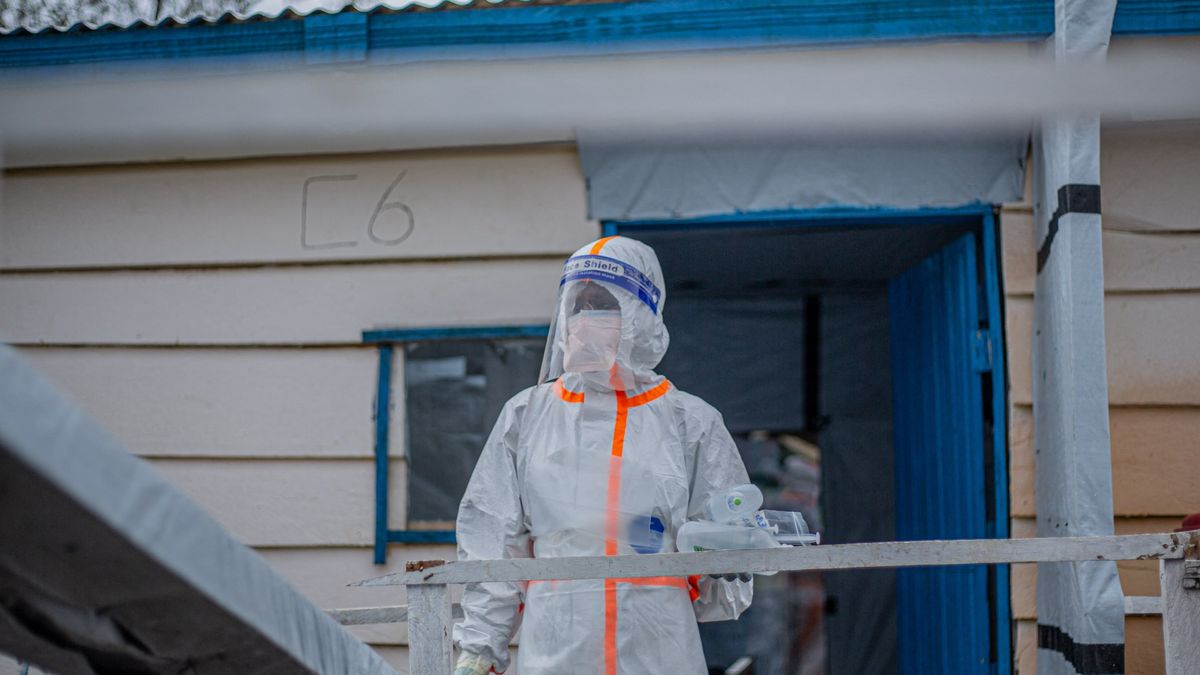
The ongoing Ebola outbreak in the Democratic Republic of Congo (DRC) has reached alarming proportions, with the World Health Organization (WHO) warning that the virus is spreading more quickly than in any previous outbreak. This analysis will examine the strategic motivations behind the rapid spread of Ebola in the DRC, its regional implications, and the future consequences of this crisis.
The DRC has been plagued by Ebola outbreaks since 1976, with the most recent outbreak occurring in 2018-2020. However, this current outbreak is the third-largest on record, with over 2,000 confirmed cases and 796 deaths. The rapid spread of the virus can be attributed to several factors, including the mineral-rich northeastern province of Ituri, which is patrolled by several armed groups, and the lack of effective healthcare infrastructure.
The Ebola outbreak in the DRC has significant regional implications, particularly for neighboring countries. Uganda, which has reported 20 cases of the rare Bundibugyo strain of Ebola, is close to being declared Ebola-free after discharging its last remaining patient. However, the DRC's 17th Ebola outbreak has also spread to five provinces and neighboring Uganda, highlighting the need for regional cooperation and coordination to combat the virus.
The rapid spread of Ebola in the DRC can be attributed to several strategic motivations, including the lack of effective healthcare infrastructure, the presence of armed groups in the region, and the failure of the government to respond effectively to the crisis. The WHO has warned that over 80 percent of new cases are being detected outside known contact lists, showing that transmission chains are still being missed. This highlights the need for improved surveillance and contact tracing measures to contain the outbreak.
The future consequences of the Ebola outbreak in the DRC are far-reaching and potentially devastating. The rapid spread of the virus has significant implications for regional stability, economic development, and human security. The outbreak has also highlighted the need for improved healthcare infrastructure, regional cooperation, and effective governance to prevent and respond to public health crises.
The Ebola outbreak in the DRC is a complex and multifaceted crisis that requires a comprehensive and coordinated response. The rapid spread of the virus has significant regional implications, and the future consequences of this crisis are far-reaching and potentially devastating. It is essential that the international community, regional governments, and local authorities work together to contain the outbreak, improve healthcare infrastructure, and promote regional cooperation and coordination to prevent and respond to public health crises.
1. Improve healthcare infrastructure in the DRC, particularly in the mineral-rich northeastern province of Ituri.
2. Enhance regional cooperation and coordination to combat the Ebola outbreak.
3. Implement effective surveillance and contact tracing measures to contain the outbreak.
4. Provide support to the DRC government to respond effectively to the crisis.
5. Promote regional economic development and stability to mitigate the impact of the outbreak.
Source referenced: ALJAZEERA
This brief was synthesized by our Editorial Engine and reviewed by The Ground Narrative team.


