TRENDING

Monday, 12 October 2026
----------------------
1 Jumada Al-Awwal 1448 AH
President Trump's administration has temporarily eased sanctions on Russian diesel, citing the need to lower record-high fuel prices caused by the US-Israel war against Iran. This move has drawn sharp criticism from a bipartisan group of US senators and international allies, who question its legality and its impact on the ongoing war in Ukraine.
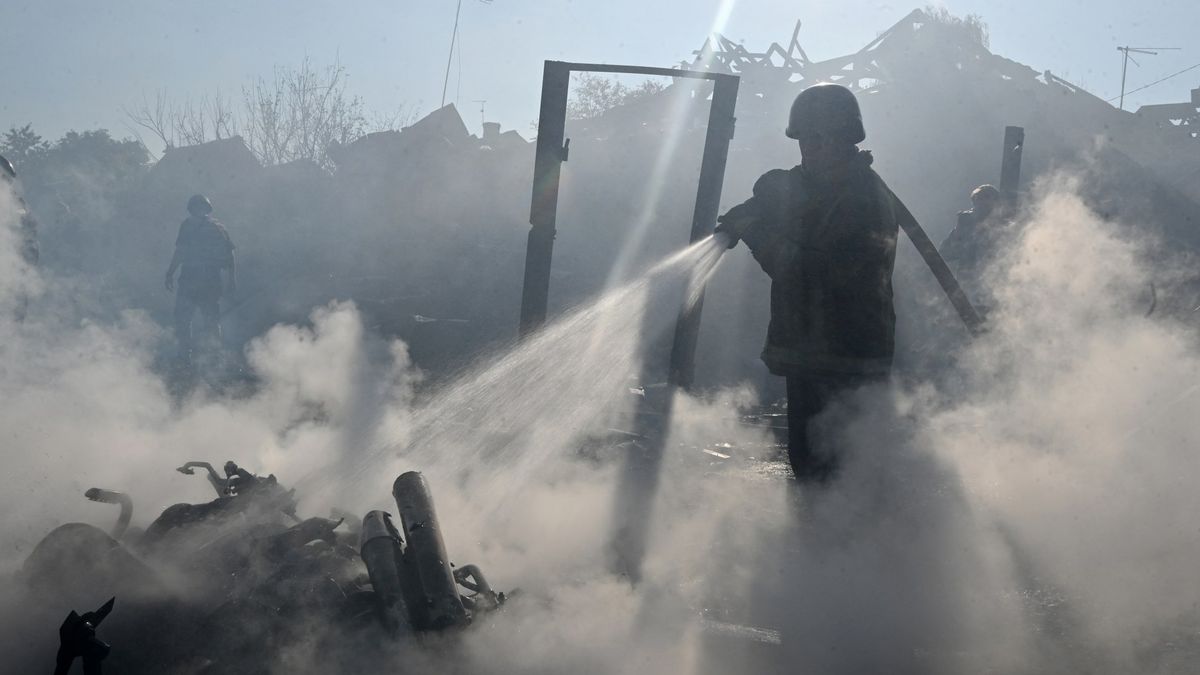
In a move that has ignited significant controversy, United States President Donald Trump announced a temporary relaxation of sanctions on Russian diesel. This decision, made in early October 2026, aims to inject hundreds of thousands of tonnes of Russian fuel into the global market, with an initial agreement for 300,000 tonnes followed by another 500,000 tonnes in November. The administration justified the action by stating it was necessary to combat record-high fuel prices, which it attributed primarily to the US-Israel war against Iran. However, the legality and strategic wisdom of this agreement were immediately challenged by a bipartisan group of US senators, including Republican Thom Tillis, who argued that it could violate existing congressional laws and provide a financial lifeline to Russia amidst its ongoing war in Ukraine.
This decision by the Trump administration is a stark illustration of how domestic political imperatives can clash with established foreign policy, revealing a complex web of power dynamics at play. At its core, the move reflects a calculation rooted in domestic political survival. High fuel prices are a tangible and immediate burden on ordinary citizens, directly impacting their daily lives and purchasing power. For any sitting president, especially one facing an upcoming election cycle, addressing such a visible economic pain point becomes a paramount concern. Easing sanctions, even if controversial on the international stage, can be framed as a decisive action to “deliver” for the American consumer, potentially outweighing concerns about foreign policy consistency or alliance solidarity.
Russia, under President Vladimir Putin, has consistently leveraged its vast energy resources as a geopolitical tool. The temporary relaxation of sanctions offers Putin a crucial financial lifeline, directly undermining the concerted efforts by Western nations to cripple Russia's war economy through sanctions. This infusion of revenue can sustain Moscow's military operations in Ukraine, effectively turning global fuel markets into a source of funding for the conflict. Moreover, such a deal creates a significant wedge within the NATO alliance and within US domestic politics, testing the resolve of the anti-Russian coalition and exposing internal divisions.
The administration's explicit attribution of record-high fuel prices to the US-Israel war against Iran and Iran's subsequent limitation of commercial traffic through the Strait of Hormuz is a critical element of its power play. While disruptions in this vital waterway undoubtedly impact global energy flows, framing it as the *sole* or *primary* cause serves a dual purpose. It shifts blame away from other contributing factors, such as post-pandemic demand surges, OPEC+ production decisions, or the broader market instability caused by the Russia-Ukraine war itself. More importantly, it provides a convenient justification for actions—like easing sanctions on Russia—that might otherwise be politically untenable or morally objectionable to a significant portion of the public and political establishment.
The immediate pushback from senators like Thom Tillis highlights the perpetual tension between the executive branch's expansive foreign policy powers and Congress's legislative authority, particularly concerning sanctions. Existing laws, such as a 2022 executive order barring the importation of Russian fuel and the recently signed
Source referenced: ALJAZEERA
This brief was synthesized by our Editorial Engine and reviewed by The Ground Narrative team.